The cramping eased by the next day, but I still used oral rehydration and kept meals plain. I did not continue once my bowel movements were normal.
2 Nov 2026
Diarex
Diarex tablets are taken by mouth to help manage diarrhoeal illness and related bowel upset. The herbal antidiarrhoeal preparation is intended for gastrointestinal support, while oral rehydration…
Diarex tablets are taken by mouth to help manage diarrhoeal illness and related bowel upset. The herbal antidiarrhoeal preparation is intended for gastrointestinal support, while oral rehydration remains essential when stools are frequent or watery.
Overview
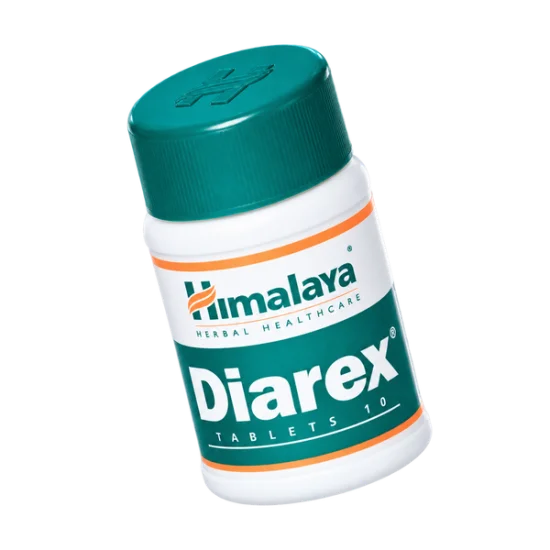
The herbal antidiarrhoeal preparation is intended for gastrointestinal support, while oral rehydration remains essential when stools are frequent or watery. Diarex is supplied as tablets in a bottle containing 30 tablets.
Formulation
The tablets are supplied in a bottle of 30 units. The product should be treated as a multi-component herbal preparation, not as a single-ingredient medicine with one predictable pharmacological target.
Role of Botanical Ingredients in Digestive Care
Herbal antidiarrhoeal formulations may be designed around several complementary aims:
- reducing intestinal irritation;
- supporting firmer stool consistency;
- easing abdominal discomfort;
- assisting normal bowel function during short-lived digestive upset;
- providing astringent or soothing effects within the intestinal tract.
The strength of evidence differs between botanical preparations. Traditional use does not establish that every formula treats bacterial, parasitic, or inflammatory disease. Diarex should not be used as a substitute for targeted treatment when a clinician identifies dysentery, amoebiasis, inflammatory bowel disease, or another specific cause.
Therapeutic indications
Diarex may be considered for short-term digestive upset associated with diarrhoea. The available product information supports describing it as a gastrointestinal herbal preparation rather than assigning it a single cause of diarrhoea.
Acute diarrhoea often begins suddenly and may follow contaminated food, a viral illness, dietary intolerance, or medication use. Chronic diarrhoea lasts longer and needs a different clinical approach. Recurrent symptoms, blood in the stool, fever, dehydration, unexplained weight loss, or severe abdominal pain require medical evaluation rather than prolonged self-treatment.
Diarex may be used as supportive care for uncomplicated diarrhoeal episodes. The product should not be assigned a broad disease-treating role without clinical assessment.
Management of Acute and Chronic Diarrhoea
Acute diarrhoea commonly improves over several days, depending on its cause. Fluid replacement, light meals as tolerated, and temporary avoidance of alcohol may support recovery.
Chronic diarrhoea needs investigation. Causes include irritable bowel syndrome, coeliac disease, inflammatory bowel disease, bile acid diarrhoea, pancreatic disorders, endocrine disease, and adverse effects from medicines. Diarex should not be used to delay assessment of symptoms that continue or repeatedly return.
Amoebiasis and Irritable Bowel Syndrome Support
Amoebiasis requires appropriate diagnosis and antiparasitic treatment. A herbal antidiarrhoeal tablet should not be relied upon to eradicate amoebic infection.
Irritable bowel syndrome can involve diarrhoea, constipation, bloating, and abdominal pain. NICE guidance describes IBS management as an individualised process involving diet, lifestyle, symptom pattern, and sometimes targeted medicines [2]. Diarex may be considered supportive care only when its use fits the clinical situation.
The World Health Organization identifies oral rehydration as a core treatment for diarrhoeal illness, especially when fluid loss is substantial [1].

Directions for use
Use the dose selected for the individual presentation and avoid taking extra tablets to compensate for slow improvement. A bottle contains 30 tablets, but the number of tablets in the bottle does not define the correct course length.
Standard Adult Administration
- Swallow the tablets with water.
- Use the selected dose at the recommended interval.
- Do not exceed the intended daily amount.
- If a dose is missed, take the next planned dose rather than doubling up.
- Continue drinking fluids during treatment.
- Stop self-treatment and seek medical assessment if symptoms worsen or fail to settle.
The tablets should not be crushed, split, or chewed unless the product instructions specifically allow this. Altering a tablet can affect how it breaks down and may make swallowing more difficult.
When not to use it
- known allergy to any ingredient in the formulation;
- blood or black stool;
- high fever or suspected dysentery;
- severe or localised abdominal pain;
- repeated vomiting or inability to keep fluids down;
- signs of dehydration;
- diarrhoea after recent antibiotic treatment;
- unexplained weight loss or recurrent nocturnal diarrhoea;
- inflammatory bowel disease or significant kidney disease;
- pregnancy or breastfeeding;
- use in a child or teenager;
- diarrhoea continuing beyond a short acute episode.
When this is not for you
Diarex is not suitable for everyone. NOT for you if diarrhoea includes blood, high fever, severe pain, dehydration, or repeated vomiting; seek medical advice instead.
Children under 18 should not be given Diarex without age-appropriate advice from a healthcare professional. Adult herbal tablet dosing cannot be transferred safely to children.
Unwanted effects
Diarex is a herbal tablet preparation, but herbal products can still cause unwanted effects. Possible problems include nausea, abdominal discomfort, constipation, altered stool pattern, or an allergic reaction to a botanical component.
Stop taking the tablets and seek prompt medical advice for facial swelling, breathing difficulty, widespread rash, faintness, severe vomiting, or rapidly worsening abdominal pain. A suspected adverse reaction can be reported through the HPRA pharmacovigilance system, which supports monitoring of medicine and herbal-product safety in Ireland [3].
Dehydration is a complication of diarrhoea rather than a typical tablet side effect. Warning signs include very dark urine, passing urine much less often, dry mouth, dizziness when standing, unusual drowsiness, and a fast heartbeat.
How it affects the body
Diarex is intended to provide symptomatic gastrointestinal support rather than a guaranteed antimicrobial effect. Its herbal components may help reduce intestinal irritation, support firmer stool consistency, and ease abdominal discomfort, but they do not necessarily eradicate the underlying cause of diarrhoea.
Common mistakes
Several habits can make diarrhoea last longer or make treatment less useful:
- taking tablets while drinking too little fluid;
- doubling the next dose after a missed dose;
- continuing self-treatment despite blood, fever, or dehydration;
- assuming herbal means allergy-free;
- using an adult tablet in a child;
- eating heavy, fatty meals during severe digestive upset;
- stopping oral rehydration once stool frequency begins to fall;
- ignoring diarrhoea that returns repeatedly;
- taking several gastrointestinal products together without checking for overlapping effects.
One practical mistake is judging recovery only by the number of bowel movements. Urine output, dizziness, thirst, alertness, and the ability to drink are also useful indicators of hydration.
Comparison
Diarex belongs to the herbal supportive-care category. Other approaches are chosen according to the cause, severity, and duration of diarrhoea.
| Approach | Main role | Key limitation |
|---|---|---|
| Diarex herbal tablets | Symptom support and bowel comfort | Does not replace diagnosis or rehydration |
| Oral rehydration solution | Replaces water and electrolytes | Does not directly treat every cause |
| Clinician-directed treatment | Targets an identified infection or disease | Requires assessment and may involve testing |
Oral rehydration is central when fluid loss is significant. A targeted prescription treatment may be needed for selected bacterial or parasitic illnesses. Anti-motility medicines may be unsuitable when fever or blood is present, because slowing intestinal movement can complicate some infections.
What doctors say
In clinical practice, the first priority during diarrhoea is usually hydration and assessment of severity. A doctor will also consider recent travel, antibiotics, sick contacts, food exposure, fever, blood in the stool, and the duration of symptoms.
The practical advantage of a supportive herbal tablet is its potential role in symptom management without automatically treating every episode as a condition requiring antibiotics. The limitation is equally clear: symptom relief cannot identify whether the cause is viral, bacterial, parasitic, inflammatory, or functional.
Doctors are more likely to recommend medical review when diarrhoea persists, returns frequently, affects an older or medically vulnerable person, or appears with red-flag symptoms. The European Medicines Agency emphasises that herbal medicinal products still require appropriate safety evaluation and responsible use [4].
Common questions
What should I do if the expected result does not come?
Do not keep increasing the dose when stools remain loose. Continue oral rehydration and assess for fever, blood, severe pain, vomiting, or reduced urination. WHO guidance from 2017 supports prioritising fluid and electrolyte replacement while the cause of diarrhoea is considered .
How should Diarex be stored at home and while travelling?
Keep the bottle closed and store the tablets in a cool, dry place away from direct heat and moisture. Do not leave them in a bathroom with heavy steam or in a hot vehicle. HPRA safety principles for medicinal products, referenced in 2024 pharmacovigilance guidance, support preserving product quality and avoiding exposure that could damage tablets .
How long does a course last, and is long-term use acceptable?
There is no single course length because dosing differs between strengths and users. Diarex is better suited to short-term supportive use while the cause and response are monitored. Persistent or recurrent diarrhoea should be investigated rather than managed indefinitely with a herbal antidiarrhoeal product; NICE guidance from 2024 takes a structured approach to longer-lasting bowel symptoms .
Can Diarex be used by anyone under 18?
Diarex should not be given to a person under 18 without age-specific medical advice. Children can become dehydrated quickly, and the correct treatment depends on age, weight, symptoms, and the likely cause. WHO guidance from 2017 gives separate principles for childhood diarrhoea, including oral rehydration and assessment of danger signs .
Do diet, exercise, or daily habits affect the result?
Fluid intake has a direct practical effect during diarrhoea, while alcohol and very rich meals may worsen digestive discomfort for some people. Gentle activity is reasonable once hydration and energy have returned, but strenuous exercise during active diarrhoea can increase fluid loss. NHS advice from 2024 supports drinking fluids and returning to food as tolerated rather than restricting intake unnecessarily .
Is Diarex suitable during pregnancy or breastfeeding?
Use during pregnancy or breastfeeding should be decided with a qualified healthcare professional who can review the complete formulation and the clinical reason for treatment. Herbal ingredients can have pharmacological effects, and safety cannot be assumed from the word natural. EMA guidance from 2018 supports careful evaluation of herbal medicines when exposure may occur during pregnancy or lactation .
Do you offer anonymous delivery?
Your order will be securely packed and shipped within 24 hours. This is exactly what your package will look like (images of an actual item sent). It has the size and look of a regular private letter (24x11x0.7 cm) and its contents cannot be seen.
Sources
- World Health Organization (2017). Diarrhoeal disease.
- National Institute for Health and Care Excellence (2024). Irritable bowel syndrome in adults: diagnosis and management.
- Health Products Regulatory Authority (2024). Pharmacovigilance and reporting suspected adverse reactions.
- European Medicines Agency (2018). European Union herbal monographs.
How Buyers Rate Diarex
Based on 4 reviews
The tablets were easy to swallow and seemed gentle. My symptoms returned later in the week, so I stopped relying on them and arranged a medical review.
7 Oct 2026I expected an immediate change and was disappointed at first. Drinking more helped as much as the tablets, and the episode settled without further treatment.
Two days 15 Oct 2026The bottle was convenient, but I developed more constipation after the stools firmed up. I reduced use and did not take another dose.
26 Oct 2026