Skip to content
In Stock Fosamax
Osteoporosis

Fosamax

Fosamax is used to treat osteoporosis, a condition in which bones become less dense and fracture more easily. It contains alendronate sodium, a bisphosphonate that slows bone breakdown in…

Guaranteed quality Original product
Delivery: from 4 days Discreet delivery
24/7 Support Always available
Active ingredient: Alendronic acid
Select dosage:
Select pack Package Per tablet Price
Free Standard Delivery € 7.53 € 226.00
Free Express Delivery € 5.33 € 452.00 € 320.00 Save 29%
Free Express Delivery € 4.59 € 678.00 € 413.00 Save 39%
Best value Free Express Delivery € 4.23 € 904.00 € 507.00 Save 44%
€ 4.58 € 55.00
€ 3.21 € 110.00 € 77.00 Save 30%
€ 2.53 € 165.00 € 91.00 Save 45%
€ 2.29 € 220.00 € 110.00 Save 50%
€ 2.13 € 275.00 € 128.00 Save 53%
Best value € 1.91 € 440.00 € 183.00 Save 58%

Free delivery on orders from € 200.00, free express delivery from € 300.00

Secure payment methods:
VISA AMEX JCB DISCOVER

Fosamax is used to treat osteoporosis, a condition in which bones become less dense and fracture more easily. It contains alendronate sodium, a bisphosphonate that slows bone breakdown in postmenopausal women and men with osteoporosis. The dose is determined individually, taking age, other medicines, and health conditions into account.

Overview

The active ingredient in Fosamax is alendronate sodium, also called alendronic acid in its active form. It belongs to the nitrogen-containing bisphosphonate class.

Formulation

The active ingredient in Fosamax is alendronate sodium, also called alendronic acid in its active form. It belongs to the nitrogen-containing bisphosphonate class. The dose is determined individually, taking age, other medicines, and health conditions into account.

Therapeutic indications

Fosamax contains alendronate sodium and is used mainly for osteoporosis in postmenopausal women and men with osteoporosis. It helps reduce the loss of bone mass that increases the risk of spinal, hip, and other fragility fractures. Fosamax may also be prescribed for Paget’s disease of bone, a disorder involving abnormal and disorganised bone remodelling.

After menopause, falling oestrogen levels can accelerate osteoclast activity. Osteoclasts remove old bone tissue faster than the body can replace it. Bone gradually becomes thinner, more porous, and less resistant to ordinary physical stress. In men, osteoporosis may develop with ageing, low testosterone, long-term corticosteroid treatment, reduced mobility, or other medical conditions.

Fosamax is prescribed when the expected benefit of reducing fracture risk outweighs the medicine’s gastrointestinal and other potential risks. The National Institute for Health and Care Excellence describes oral bisphosphonates as established options for fracture prevention in appropriate patients [1].

Osteoporosis management in postmenopausal women and men

Osteoporosis can progress without pain until a fracture occurs. Vertebral fractures may present as back pain, loss of height, or a forward curvature of the spine. Hip fractures can cause prolonged loss of mobility and independence.

Fosamax is commonly considered when:

  • Bone mineral density is reduced on a DXA scan.
  • A previous low-trauma fracture indicates increased fracture risk.
  • The person has several clinical risk factors for osteoporosis.
  • Long-term corticosteroid treatment is expected to weaken bone.
  • The prescriber considers oral bisphosphonate treatment suitable.

Application in Paget’s disease of bone

Paget’s disease produces areas of excessive bone turnover. The affected bone may become enlarged, misshapen, or mechanically weaker despite having increased density in some regions. Alendronate suppresses the osteoclast activity driving this process.

Treatment for Paget’s disease uses a different dosing schedule from the once-weekly osteoporosis regimen. The prescribed dose is decided individually, taking age, other medicines, and health conditions into account.

Directions for use

Take the prescribed Fosamax tablet immediately after getting up for the day, before breakfast or any other drink or oral medicine.

  • Swallow the tablet whole with a full glass of plain water.
  • Do not chew, suck, crush, or allow the tablet to dissolve in the mouth.
  • Remain sitting or standing for at least 30 minutes.
  • Do not lie down during this period.
  • Wait at least 30 minutes before eating, drinking anything other than plain water, or taking other oral medicines.
  • Take the tablet on the same weekday each week.
  • If a weekly dose is missed, take one tablet on the morning after remembering it, then return to the regular weekly day. Do not take two tablets on the same day.

The upright position reduces contact between alendronate and the oesophageal lining. A full glass of plain water helps the tablet reach the stomach. Taking it before bedtime is unsuitable because lying down soon afterwards can increase oesophageal irritation.

Choose a weekday that matches a stable morning routine. Some patients place the weekly dose beside their calendar or set a recurring reminder, while keeping the tablet away from the breakfast medicines that interfere with absorption.

One easily missed detail is the difference between plain water and other drinks. Coffee, tea, juice, sparkling drinks, and mineral water are not suitable for swallowing the tablet. Calcium, iron, antacids, and some oral medicines should be separated because they can bind alendronate in the gut.

If swallowing is difficult, or if pain develops behind the breastbone after a dose, the prescriber should review whether oral alendronate remains appropriate. Do not take another tablet to compensate for vomiting or uncertainty about a dose unless a clinician has given specific instructions.

When not to use it

Fosamax is not suitable for a person who:

  • Has an abnormality of the oesophagus that delays emptying.
  • Cannot remain upright for at least 30 minutes.
  • Has low blood calcium that has not been corrected.
  • Has had a serious allergic reaction to alendronate or one of its ingredients.
  • Has severe swallowing difficulty that makes oral treatment unsafe.
  • Has kidney impairment requiring an alternative treatment plan.

Alendronate should not be taken with other bisphosphonate products. Antacids, calcium, iron, magnesium, and some mineral supplements need separation from the tablet. Non-steroidal anti-inflammatory drugs may add to upper gastrointestinal irritation in some people, especially when there is a history of ulcer or reflux disease.

Pregnancy and breastfeeding require a separate clinical assessment because Fosamax is intended mainly for postmenopausal osteoporosis and adult osteoporosis. The medicine is not routinely used in people under 18 because growing bones and paediatric indications require different evidence and specialist decisions.

When this is not for you

Fosamax is NOT for you if you cannot remain upright for 30 minutes, have uncorrected low blood calcium, or have an oesophageal problem that delays emptying.

Tell the dental team that you use a bisphosphonate before an extraction or implant procedure. The information helps them assess jaw-related risk and plan treatment without interrupting therapy unnecessarily.

Unwanted effects

The most frequent practical problems with oral alendronate involve the upper digestive tract. Reported effects include abdominal discomfort, indigestion, acid reflux, nausea, constipation, diarrhoea, and irritation of the oesophagus. Musculoskeletal pain can also occur.

Taking the tablet incorrectly increases the chance of oesophageal irritation. Symptoms such as painful swallowing, difficulty swallowing, new or worsening heartburn, or chest pain after administration need prompt medical review.

Other recognised risks include:

  • Headache or dizziness.
  • Muscle, joint, or bone pain.
  • Skin rash, itching, or sensitivity reactions.
  • Low calcium, especially when pre-existing calcium deficiency is not corrected.
  • Osteonecrosis of the jaw, mainly in people with additional dental or medical risk factors.
  • Atypical fractures of the thigh bone after prolonged exposure.
  • Rare inflammation of the eye.

The risk of osteonecrosis of the jaw is higher with invasive dental procedures, cancer treatment, high-dose intravenous bisphosphonates, corticosteroids, smoking, and poor oral health. Dental symptoms should be assessed early, especially when tooth extraction or other invasive treatment is planned.

How it affects the body

Bisphosphonates have a strong chemical affinity for hydroxyapatite, the mineral component of bone. Alendronate remains concentrated at sites where bone is being actively remodelled. Osteoclasts absorb it during bone resorption, and the medicine then inhibits enzymes in the mevalonate pathway that osteoclasts need for normal function.

This causes osteoclasts to lose activity and eventually undergo programmed cell death. The result is reduced bone resorption. Fosamax does not act as a painkiller, does not directly stimulate muscle strength, and does not repair a fracture that has already occurred.

The practical benefit develops through altered bone remodelling. Bone mineral density may rise, and the internal structure of bone can become more resistant to fracture. The response is assessed over time rather than after one tablet.

A useful clinical distinction is that alendronate is antiresorptive. It slows the removal of bone. Bone-building medicines such as teriparatide work through a different biological pathway and are reserved for selected patients with very high fracture risk.

Common mistakes

Several avoidable errors can reduce treatment benefit or increase adverse effects:

  • Taking Fosamax with coffee, juice, tea, or mineral water.
  • Eating breakfast immediately after swallowing the tablet.
  • Taking calcium, iron, magnesium, or an antacid at the same time.
  • Lying down after the dose.
  • Crushing or chewing the tablet.
  • Taking two weekly tablets after missing a dose.
  • Continuing treatment despite painful swallowing or new chest pain.
  • Stopping denosumab or changing osteoporosis therapy without a planned follow-on strategy.
  • Forgetting that dental procedures may be clinically relevant.
  • Assuming that more calcium always improves treatment, without considering kidney function or blood calcium.

One practical error deserves special attention: moving Fosamax to bedtime because mornings are busy. That change removes the upright interval and can expose the oesophagus to the tablet for longer.

Comparison

Treatment selection depends on fracture pattern, kidney function, gastrointestinal tolerance, injection preferences, calcium status, age, and previous therapy. Alternatives belong to different pharmacological groups.

Treatment category Examples Main practical distinction
Other bisphosphonates Ibandronate, risedronate, zoledronic acid, pamidronate, etidronate Oral or intravenous options with different schedules and fracture evidence
RANK ligand inhibition Denosumab Injection-based treatment that requires careful planning when stopping
Bone-forming treatment Teriparatide, abaloparatide Used for selected patients with very high fracture risk

Ibandronate, marketed in some settings as Boniva, and risedronate, marketed as Actonel in some settings, are oral bisphosphonate options. Their dosing schedules and approved fracture-prevention indications differ from alendronate.

Zoledronic acid, known as Reclast in some markets, is administered intravenously. It can suit people who cannot follow the oral administration routine, though infusion-related reactions and kidney considerations require assessment.

Denosumab, including Prolia and Xgeva formulations for different indications, blocks RANK ligand and reduces osteoclast formation. It must be administered on schedule, and stopping treatment without an appropriate follow-on plan can cause rapid bone loss.

Teriparatide, known as Forteo in some markets, and abaloparatide, known as Tymlos in some markets, stimulate bone formation. Raloxifene, Evista in some markets, acts through oestrogen-receptor pathways and may be suitable only for selected postmenopausal patients. These medicines are not interchangeable with Fosamax.

What doctors say

In clinical practice, doctors focus first on fracture risk and the patient’s ability to follow the morning routine. A medicine that is pharmacologically suitable may still be a poor choice if the person cannot remain upright or cannot separate it from breakfast and other tablets.

Prescribers also review kidney function, calcium and vitamin D status, previous fractures, dental history, reflux symptoms, and medicines such as corticosteroids. A DXA result is useful, but it is only one part of the decision.

A common clinical mistake is judging Fosamax after a few weeks. Bone remodelling changes gradually, and fracture prevention is assessed over months and years. New thigh pain, swallowing difficulty, or severe heartburn deserves earlier attention than a routine scan.

Consistent administration matters more than taking the tablet at a particular clock time. The important sequence is waking, plain water, upright posture, and the required interval before food or other medicines.

Common questions

Can Fosamax affect driving, concentration, or work with machinery?

Fosamax is not known to produce a predictable impairment of driving or concentration in most adults. Dizziness, visual inflammation, severe pain, or an allergic reaction could make driving unsafe for an individual. The FDA prescribing information for alendronate, reviewed in 2022, lists specific adverse reactions and warnings that should guide practical decisions [2]. The MHRA also publishes safety information for bisphosphonates. Avoid driving if symptoms affect alertness, vision, balance, or physical control.

How soon does the effect of Fosamax become noticeable?

Fosamax works on bone remodelling from the beginning of treatment, but most people do not feel an immediate change. Fracture-risk reduction and BMD changes are assessed over months rather than days. NICE guidance updated in 2021 supports follow-up based on individual fracture risk and treatment response rather than short-term symptoms [3]. A DXA scan is usually interpreted after enough time has passed for a meaningful change.

Can alcohol be used while taking Fosamax?

Alcohol does not have a direct absorption rule identical to calcium or iron, but heavy alcohol use can worsen fall risk, impair nutrition, and contribute to weaker bones. Alcohol may also aggravate reflux or stomach irritation, which can make oral bisphosphonate treatment harder to tolerate. WHO guidance on osteoporosis and fracture prevention identifies alcohol exposure as one factor considered in general bone-health assessment [4]. Avoid alcohol during the morning administration interval and limit intake in line with the individual medical plan.

Is Fosamax suitable for people under 18?

Fosamax is generally intended for adult osteoporosis and is not routinely used in children or adolescents. Growing bone requires separate paediatric evidence, and a low bone-density result in a young person needs specialist interpretation. The EMA guideline for osteoporosis medicines, published in 2006, describes development and evaluation principles for adult antiresorptive treatment [5]. A specialist must decide whether any bisphosphonate has a role in a person under 18.

Can Fosamax be combined with calcium, iron, or other supplements?

Calcium, iron, magnesium, and antacid products can reduce alendronate absorption when taken close to the Fosamax dose. They should be taken later according to the prescribed schedule, rather than with the morning tablet. Vitamin D may be recommended when intake or blood levels are inadequate, but supplementation should account for kidney function and calcium status. The FDA product information available in 2022 specifies separation from minerals and other oral medicines that interfere with absorption .

Do you offer anonymous delivery?

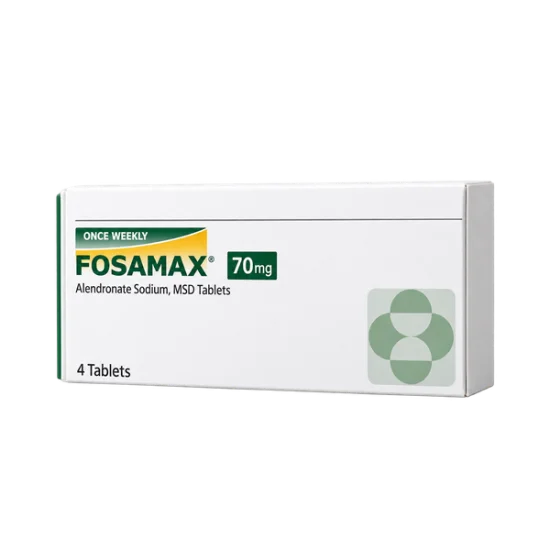
Your order will be securely packed and shipped within 24 hours. This is exactly what your package will look like (images of an actual item sent). It has the size and look of a regular private letter (24x11x0.7 cm) and its contents cannot be seen.

Calcium and vitamin D during bisphosphonate therapy

Calcium provides the mineral framework of bone, while vitamin D supports intestinal calcium absorption and normal bone metabolism. Fosamax reduces bone breakdown, but it cannot provide adequate mineralisation when calcium or vitamin D intake is insufficient.

Dietary calcium may come from dairy products, fortified alternatives, certain fish, tofu, and other calcium-containing foods. Vitamin D status can be affected by limited sunlight exposure, darker skin, older age, malabsorption, and several chronic illnesses.

A prescriber may recommend calcium supplements, vitamin D, or both when dietary intake is inadequate. Calcium supplements must not be swallowed at the same time as Fosamax. They should be taken later in the day according to the individual treatment plan.

Low blood calcium should be corrected before starting alendronate. People with kidney disease, malabsorption, thyroid or parathyroid disorders, or previous calcium disturbances may need more careful assessment.

Keep calcium tablets separate from the morning Fosamax dose. The safest practical arrangement is often Fosamax on waking, breakfast after the required interval, and calcium later with a meal if it has been prescribed.

Bone density enhancement and physiological impact

Bone mineral density, or BMD, describes the mineral content of bone. A DXA scan measures BMD at areas such as the hip and spine and reports results using T-scores and Z-scores. A low T-score supports the diagnosis of osteoporosis in the appropriate clinical context.

Fosamax may increase BMD by reducing excessive bone resorption. The treatment goal is not simply a higher scan result. Doctors also consider fracture history, age, kidney function, falls, steroid exposure, height loss, and changes in symptoms or mobility.

DXA monitoring is often performed after a period long enough for a meaningful biological response, commonly around one to two years depending on the clinical situation. A small change between scans does not automatically mean treatment failure because measurement variation and technical differences can affect results. The response develops gradually. Kidney function affects treatment choice. Fracture risk guides treatment duration.

Long-term bisphosphonate treatment requires periodic reassessment. Continued therapy may be appropriate for people who remain at high fracture risk, while others may be considered for a monitored treatment pause after several years. The decision depends on fracture risk and treatment history rather than a fixed rule for every patient.

Rare atypical femoral fractures have been associated with prolonged bisphosphonate exposure. New pain in the thigh, hip, or groin should be reported promptly because it can precede an unusual femoral fracture.

Sources

  1. National Institute for Health and Care Excellence (NICE) (2021). Osteoporosis: assessing the risk of fragility fracture — NICE guideline NG36.
  2. U.S. Food and Drug Administration (FDA) (2022). Fosamax (alendronate sodium) tablets — Prescribing Information.
  3. National Institute for Health and Care Excellence (NICE) (2021). Osteoporosis: assessing the risk of fragility fracture — Recommendations.
  4. World Health Organization (WHO) (2022). WHO guideline for the prevention and management of osteoporosis.
  5. European Medicines Agency (EMA) (2006). Guideline on the evaluation of medicinal products in the treatment of osteoporosis.

How Buyers Rate Fosamax

Based on 3 reviews

Christopher T., 46 Verified
Rating: 3.5 out of 5

I took one 70 mg tablet each week for several months. The morning routine was easy once I kept the tablet separate from my breakfast medicines, although I had mild heartburn during the first few doses.

Several months 5 Nov 2026
Gareth, 31 Verified
Rating: 3 out of 5

My specialist prescribed alendronate after a period of steroid treatment. I managed the water and upright instructions, but remembering the weekly day was difficult, so I used a calendar reminder. I did not notice a quick change because there was no immediate symptom to measure.

After a period of steroid treatment 7 Oct 2026
Alan, 42 Verified
Rating: 1.5 out of 5

I stopped after developing pain when swallowing and contacted the clinic. The symptoms settled after the treatment plan was reviewed, but the experience showed me that a weekly tablet still needs careful administration.

23 Oct 2026
Get our free app Shop faster and track your orders Install