The first week brought nausea after breakfast, but it settled. By the second month I noticed fewer evening cravings, although sleep was lighter when I took the second dose too late.
Second month 7 Oct 2026
Contrave
Contrave combines naltrexone hydrochloride and bupropion hydrochloride, two medicines that act on brain pathways involved in appetite and food reward. It is intended for adults with obesity, or…
Contrave combines naltrexone hydrochloride and bupropion hydrochloride, two medicines that act on brain pathways involved in appetite and food reward. It is intended for adults with obesity, or overweight with weight-related health problems, alongside a reduced-calorie diet and physical activity.
Overview
Contrave is an oral prescription treatment for chronic weight management. Each tablet contains naltrexone hydrochloride and bupropion hydrochloride. How much to use and how often depends on the purpose of use and is agreed with a doctor or pharmacist. The product is associated with Currax Pharmaceuticals LLC and is intended for adults whose excess weight affects their health.
Formulation
Contrave contains two active ingredients with different pharmacological actions:
- Naltrexone hydrochloride: an opioid receptor antagonist.
- Bupropion hydrochloride: a norepinephrine and dopamine reuptake inhibitor with activity at nicotinic acetylcholine receptors.
The tablet is an extended-release formulation. The release profile is designed to deliver the ingredients gradually rather than all at once.
Synergistic Role of Naltrexone and Bupropion
Bupropion stimulates neurons involved in pro-opiomelanocortin signalling. This pathway contributes to satiety, the feeling that eating has been sufficient. Naltrexone blocks opioid receptors that can otherwise reduce or interrupt this satiety signal. The combined action may strengthen appetite control.
Bupropion also affects dopaminergic and noradrenergic signalling in brain regions involved in motivation and reward. Naltrexone influences reward-related opioid pathways. Together, these effects may reduce the pull of highly rewarding foods and help limit repeated, cue-triggered eating.
The pharmacology is different from that of a GLP-1 receptor agonist. Contrave works through central appetite and reward pathways, while GLP-1 medicines act through incretin receptors that influence appetite, gastric emptying, and glucose regulation.
Clinical trial data for naltrexone/bupropion show greater average weight loss than lifestyle intervention alone in selected adults, although individual responses vary. The European Medicines Agency describes treatment continuation in relation to early weight response, with reassessment needed if clinically meaningful loss is not achieved after the recommended treatment period [1].
Therapeutic indications
Contrave is generally considered for adults with:
- A body mass index (BMI) of 30 kg/m² or higher, indicating obesity.
- A BMI of at least 27 kg/m² with a weight-related condition such as type 2 diabetes, high blood pressure, abnormal blood lipids, or obstructive sleep apnoea.
- A need for additional support alongside calorie reduction and increased physical activity.
BMI is a screening measurement rather than a complete health assessment. Waist circumference, eating patterns, blood pressure, glucose levels, mental health, medicines, and previous weight-management attempts also influence treatment decisions.
Contrave is not intended as a stand-alone replacement for nutrition changes or movement. Its role is to support a structured weight-management plan.
Directions for use
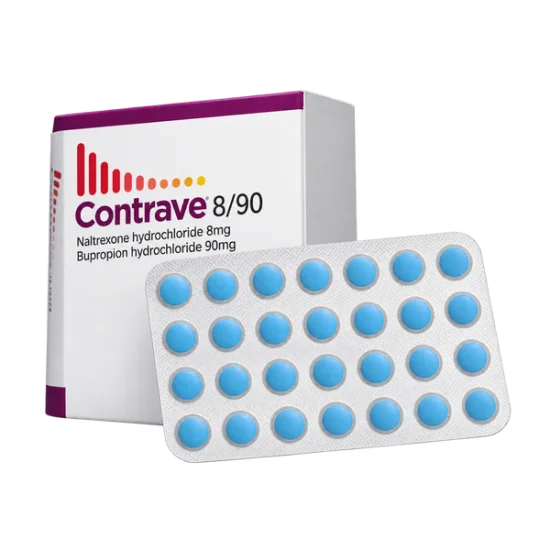
- Take Contrave by mouth as tablets, with each tablet containing naltrexone hydrochloride 8 mg and bupropion hydrochloride 90 mg.
- Use the dose and frequency agreed with a doctor or pharmacist; the exact number of tablets and times per day depend on the purpose of use.
- Follow the agreed timing in relation to meals and time of day; these details are determined by the doctor or pharmacist.
- Continue treatment for the duration agreed with a doctor or pharmacist, with ongoing review of its use for chronic weight management.
- Swallow the tablets as directed and do not change the dose or frequency without consulting a doctor or pharmacist.
When not to use it
Contrave should not be used in people with:
- Uncontrolled high blood pressure.
- A current seizure disorder or a previous seizure, unless a specialist has determined otherwise.
- Current or previous bulimia or anorexia nervosa.
- Current use of another bupropion-containing product.
- Chronic opioid use, opioid dependence, or acute opioid withdrawal.
- Regular use of medicines containing opioids for pain, cough, diarrhoea, or opioid-substitution treatment.
- Treatment with a monoamine oxidase inhibitor (MAOI), or use of an MAOI within the relevant washout period.
- An allergy to naltrexone, bupropion, or another tablet component.
- Severe liver impairment.
Bupropion must not be duplicated through antidepressant formulations such as Wellbutrin, Wellbutrin SR, or Wellbutrin XL. Combining them with Contrave increases total bupropion exposure and can substantially increase seizure risk.
Naltrexone blocks opioid receptors. It can prevent opioid pain medicines from working and may precipitate withdrawal in someone who still has opioids in their system. A person taking codeine, tramadol, morphine, oxycodone, buprenorphine, or another opioid needs a specific treatment plan before starting naltrexone-containing therapy.
Alcohol also deserves attention. Heavy alcohol use, abrupt alcohol withdrawal, or repeated binge drinking can increase seizure risk with bupropion. Sedatives, stimulants, antipsychotics, systemic corticosteroids, and some diabetes medicines may also require a medication review.
The EMA product information for naltrexone/bupropion describes opioid-related contraindications, seizure risk, hypertension, psychiatric effects, and interactions requiring clinical assessment [3].
When this is not for you
Contrave is not suitable for everyone.
It is not for you if you have uncontrolled high blood pressure, a seizure disorder, or current or previous bulimia or anorexia nervosa. Do not take it with another bupropion-containing product, or if you regularly use opioid medicines for pain, cough, diarrhoea, or opioid-substitution treatment.
Do not start Contrave if you are taking an MAOI, have severe liver impairment, or have an allergy to naltrexone, bupropion, or another tablet component. Tell your prescriber about alcohol use, sedatives, stimulants, antipsychotics, systemic corticosteroids, and diabetes medicines.
Unwanted effects
The most frequent adverse effects occur during dose escalation. Gastrointestinal symptoms are common because the digestive system is adapting while the dose rises.
Reported reactions include:
- Nausea.
- Constipation.
- Headache.
- Vomiting.
- Dizziness.
- Dry mouth.
- Diarrhoea.
- Trouble sleeping.
- Abdominal discomfort.
- Increased blood pressure.
- Increased heart rate.
- Anxiety or restlessness.
Nausea can be strongest during the first weeks. Smaller meals, adequate fluids, slower eating, and avoiding very rich food may reduce discomfort. Constipation may improve with fluids, fibre, and regular movement, unless a clinician has advised fluid or fibre restriction.
Bupropion can feel activating. Some people notice restlessness, mild tremor, or difficulty falling asleep. Dizziness is more noticeable when standing quickly, especially if food intake and fluid intake have both fallen.
The FDA prescribing information identifies nausea, constipation, headache, vomiting, dizziness, dry mouth, and insomnia among the reactions reported in clinical studies [2].
One practical detail is easy to miss: reduced appetite can also mean reduced protein, fibre, and fluid intake. A smaller appetite does not remove the need for nutritionally adequate meals.

How it affects the body
Bupropion stimulates neurons involved in pro-opiomelanocortin signalling. This pathway contributes to satiety, the feeling that eating has been sufficient. Naltrexone blocks opioid receptors that can otherwise reduce or interrupt this satiety signal. The combined action may strengthen appetite control.
Bupropion also affects dopaminergic and noradrenergic signalling in brain regions involved in motivation and reward. Naltrexone influences reward-related opioid pathways. Together, these effects may reduce the pull of highly rewarding foods and help limit repeated, cue-triggered eating.
The pharmacology is different from that of a GLP-1 receptor agonist. Contrave works through central appetite and reward pathways, while GLP-1 medicines act through incretin receptors that influence appetite, gastric emptying, and glucose regulation.
Common mistakes
Several avoidable errors reduce tolerability or create safety problems:
- Taking two tablets after a missed dose.
- Crushing or chewing extended-release tablets.
- Taking the evening dose just before sleep.
- Continuing an opioid painkiller without telling the prescriber.
- Starting Contrave while taking another bupropion product.
- Ignoring a rising pulse or blood pressure.
- Stopping alcohol suddenly after heavy regular drinking without medical support.
- Treating nausea by skipping all meals and fluids.
- Expecting the medicine to compensate for frequent high-calorie drinks.
- Continuing treatment without a review when meaningful weight loss has not occurred.
One detail is easy to overlook: a person may not describe codeine as an opioid because it came from a cough medicine or a previous dental prescription. The pharmacological interaction still applies.
Comparison
Weight-management medicines differ by route, brain or gut target, dose schedule, and adverse-effect profile.
| Treatment approach | Main pharmacological action | Practical distinction |
|---|---|---|
| Naltrexone/bupropion | Modulates appetite and food-reward pathways | Oral extended-release tablets; may affect sleep, blood pressure, and seizure risk |
| GLP-1 receptor agonist | Activates incretin receptors and reduces appetite | Injectable treatment; nausea and gastrointestinal effects are common |
| Orlistat-type treatment | Reduces gastrointestinal fat absorption | Oral treatment; oily stools, urgency, and reduced absorption of fat-soluble vitamins can occur |
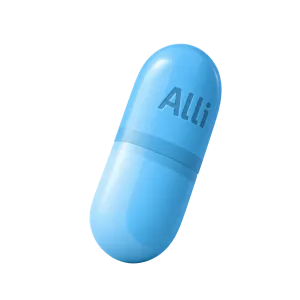
Saxenda is a GLP-1 receptor agonist delivered by injection. Qsymia combines a sympathomimetic with topiramate and has neurological, cardiovascular, and pregnancy-related restrictions. Xenical is an orlistat formulation that works in the intestine rather than through central appetite pathways. Belviq, also known as lorcaserin, is not a current treatment option in the United States after its market withdrawal.
An oral treatment may suit someone who does not want injections, while an injectable GLP-1 approach may be selected when appetite regulation and glucose metabolism are major clinical priorities. Orlistat may be considered when a gut-localised mechanism is preferred, but its bowel effects can be inconvenient.
What doctors say
In clinical practice, doctors usually assess three areas before prescribing Contrave: weight-related health risk, appetite and eating behaviour, and contraindications. A high BMI alone does not explain why weight has increased, so thyroid disease, sleep problems, mood disorders, steroid treatment, antipsychotics, and insulin resistance may also be reviewed.
Clinicians often explain that early nausea or insomnia can occur during titration, while a sudden rise in blood pressure or severe mood change needs prompt action. The prescriber may adjust the escalation schedule or discontinue treatment when tolerability is poor.
A useful treatment response includes more than a lower scale reading. Fewer episodes of uncontrolled eating, improved portion control, better glucose readings, and improved mobility can also matter.
Contrave is not appropriate when opioid treatment is medically necessary and cannot be interrupted. It also requires caution when a patient has depression, bipolar disorder, hypertension, liver disease, or medicines that lower the seizure threshold.
Common questions
Can people under 18 use Contrave?
Contrave is intended for adults, not routine treatment in children or adolescents. The EMA product information describes naltrexone/bupropion for adult weight management, and paediatric use requires a separate specialist assessment rather than self-directed treatment. NICE guidance updated in 2025 also treats medicines for obesity in younger people as age-specific interventions with specialist oversight. Adult dosing should not be transferred to someone under 18. Age-specific assessment is required.
Which symptoms mean Contrave should be stopped and reviewed urgently?
A seizure, suicidal thinking, severe agitation, manic behaviour, facial swelling, breathing difficulty, severe eye pain, or symptoms of liver injury requires urgent medical attention. Chest pain, fainting, sustained palpitations, or a marked blood-pressure rise also need prompt assessment. The FDA safety information reviewed in 2025 highlights neuropsychiatric, seizure, cardiovascular, allergic, and hepatic warning signs. Do not take another dose while awaiting urgent advice if a severe reaction has occurred.
Does Contrave cause nausea?
Nausea is one of the most frequently reported adverse effects of naltrexone/bupropion. It often appears during dose escalation and may lessen as the body adapts, although persistent vomiting or dehydration is not expected to be ignored. The EMA assessment of the combination, published in 2015, identifies gastrointestinal reactions as a major tolerability issue. Taking the tablet with a suitable meal, avoiding high-fat food, and eating slowly may help.
Do diet, exercise, or daily habits affect the result?
Contrave is intended to accompany a reduced-calorie diet and increased physical activity. Regular meals with adequate protein and fibre can be easier to sustain than severe restriction, while sugary drinks and frequent alcohol intake may hinder progress and worsen adverse effects. WHO guidance on healthy weight management, updated in 2025, supports combining dietary improvement, movement, sleep, and behavioural support. Tracking cravings and eating triggers can reveal benefits that are not immediately visible on the scales.
Can Contrave tablets be split, crushed, or chewed?
The tablets should be swallowed whole. Splitting, crushing, or chewing can change the extended-release properties and increase the release of bupropion. The HPRA product information for modified-release medicines in 2025 continues to emphasise that release characteristics depend on the intact dosage form. If swallowing is difficult, the prescribed treatment should be reviewed rather than altering the tablet.
What should happen after a missed dose?
Skip the missed tablet and take the next dose at the scheduled time. Do not double the next dose or take extra tablets later in the day. FDA dosing instructions reviewed in 2025 use this approach to limit excessive bupropion exposure and seizure risk. If several doses have been missed during titration, the prescriber or pharmacist may need to confirm how to restart safely.
Can Contrave be used during pregnancy or breastfeeding?
Contrave should not be used for weight loss during pregnancy because weight reduction offers no benefit during pregnancy and may harm fetal development. If pregnancy occurs, contact the prescriber promptly so treatment can be reviewed. The EMA product information available in 2015 advises against use during pregnancy and breastfeeding because of the active ingredients and limited infant safety information. Bupropion and naltrexone can pass into breast milk, so breastfeeding plans require an individual clinical decision.
Do you offer anonymous delivery?
Your order will be securely packed and shipped within 24 hours. This is exactly what your package will look like (images of an actual item sent). It has the size and look of a regular private letter (24x11x0.7 cm) and its contents cannot be seen.
Comparison
Alli
Contrave Current
Sources
- European Medicines Agency (2015). Mysimba: European public assessment report and product information for naltrexone/bupropion prolonged-release tablets.
- U.S. Food and Drug Administration (2025). Contrave prescribing information.
- European Medicines Agency (2015). Mysimba: Summary of Product Characteristics.
How Buyers Rate Contrave
Based on 4 reviews
My appetite was easier to manage and I stopped grazing at work. Constipation was annoying during titration, so I had to pay more attention to fluids and fibre.
Several weeks 15 Oct 2026The medicine made me feel restless and my blood pressure readings rose. My prescriber stopped it rather than pushing through, which was the right decision for me.
During dose escalation 20 Oct 2026Weight loss was gradual rather than dramatic. The main benefit was that food thoughts were less constant, but dry mouth and occasional headaches remained.
2 Nov 2026