My skin became less oily after the first cycles, and the painful jawline spots gradually settled. I had breast tenderness at the beginning, so I mentioned it at review rather than stopping on my own.
Four months 25 Nov 2026
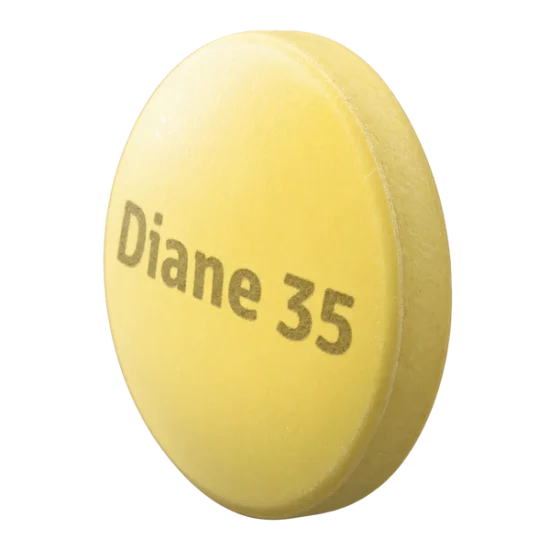
Diane 35
Diane 35 combines cyproterone acetate and ethinylestradiol to reduce androgen-driven effects in the skin and hair. It is prescribed for women with conditions such as moderate to severe hormonal acne…
Diane 35 combines cyproterone acetate and ethinylestradiol to reduce androgen-driven effects in the skin and hair. It is prescribed for women with conditions such as moderate to severe hormonal acne, hirsutism or selected PCOS-related symptoms when this treatment is medically suitable. Treatment goals include reducing androgen-related symptoms while limiting avoidable risks.
Overview
Diane 35 combines cyproterone acetate and ethinylestradiol to reduce androgen-driven effects in the skin and hair. It is prescribed for women with conditions such as moderate to severe hormonal acne, hirsutism or selected PCOS-related symptoms when this treatment is medically suitable. The combination is not intended as routine cosmetic care or first-line contraception alone. It is used after a clinician reviews the diagnosis and safety profile.
Formulation
Diane 35 contains cyproterone acetate and ethinylestradiol in tablet form. Cyproterone acetate reduces the effect of androgens, while ethinylestradiol is a synthetic oestrogen that contributes to hormonal feedback and cycle regulation. How much to use and how often depends on the purpose of treatment and is agreed with a doctor or pharmacist.[1]
| Active ingredient | Pharmacological role | Clinical relevance |
|---|---|---|
| Cyproterone acetate | Antiandrogen and progestogen | Reduces androgen action involved in acne, excess sebum and unwanted hair growth |
| Ethinylestradiol | Synthetic oestrogen | Supports hormonal feedback and raises sex hormone-binding globulin |
Diane 35 should not be selected solely as a general contraceptive when another option is clinically more appropriate. Its therapeutic purpose is the management of androgen-related symptoms.
Active Ingredient Profile
Cyproterone acetate blocks androgen receptors in target tissues. Androgens are hormones that include testosterone and can stimulate oil production, acne development and coarse hair growth. Cyproterone acetate also has progestogenic activity, which contributes to the combined hormonal profile.
Ethinylestradiol increases the production of sex hormone-binding globulin, a protein that binds circulating sex hormones. This can reduce the amount of free androgen available to act on tissues. The result is a gradual reduction in androgen-driven activity rather than an immediate change in the skin or hair.
Therapeutic indications
Diane 35 may be prescribed when androgen excess contributes to skin, hair or menstrual symptoms. The medicine manages selected symptoms; it does not cure every hormonal disorder or remove the underlying causes of polycystic ovary syndrome.
Hormonal Acne and Androgen-Related Skin Symptoms
Hormonal acne often affects the lower face, jawline, chest or back and may worsen around menstrual changes. Androgen activity can increase sebum production and make blocked pores more likely to become inflamed. Diane 35 reduces this hormonal stimulation over time.
Sudden-onset, severe or scarring acne needs assessment because it may reflect another condition or require additional treatment. Diane 35 may form part of a wider dermatology or primary-care plan rather than replacing topical acne care in every case.
PCOS-Related Symptoms
Polycystic ovary syndrome, or PCOS, can involve irregular periods, acne, hirsutism, ovulatory problems, insulin resistance and metabolic risk. Diane 35 may help selected androgen-related symptoms and menstrual irregularity, but it does not cure PCOS or treat every feature of the syndrome.
Treatment planning may also consider weight, blood glucose, lipid levels, fertility goals, blood pressure and cardiovascular risk. A person with PCOS may need monitoring even when acne or unwanted hair improves.
Hirsutism and Excessive Hair Growth
Hirsutism means coarse, dark hair growth in areas where women usually have less terminal hair, such as the face, chest or abdomen. Diane 35 reduces androgen stimulation of new hair growth. Existing hair does not disappear immediately.
Hair follicles follow slow growth cycles. It can take several months for new hair to become finer or less noticeable, and shaving, waxing, electrolysis or laser treatment may still be used for visible hair.

Directions for use
Diane 35 is taken as oral tablets in a prescribed cycle. The standard regimen uses one tablet daily for 21 consecutive days, followed by a tablet-free interval, after which the next cycle begins. The exact start date, interval and treatment duration must be set by the prescriber or pharmacist using the product-specific Irish instructions.
- Take the tablet at the same time each day.
- Swallow it with water.
- Do not double doses after a missed tablet unless a prescriber or pharmacist gives that instruction.
- Seek prompt advice if several tablets are missed.
- Report vomiting or severe diarrhoea because absorption may be incomplete.
- Do not start, stop or restart treatment after a long gap without medical review.
Diane 35 requires ongoing review. The prescriber may reassess acne, excessive hair growth, menstrual symptoms, blood pressure, migraine symptoms, smoking status and clot-risk factors.
Acne response is gradual. Hirsutism usually takes longer to assess because existing hairs remain visible while new growth cycles change. A lack of improvement, worsening acne or new symptoms should prompt a treatment review rather than unsupervised dose changes.
When not to use it
Diane 35 is not suitable for everyone. It should not be started by a person with certain conditions, including:
- A current or previous deep-vein thrombosis, pulmonary embolism or other serious blood clot.
- Known clotting disorders or a strong inherited clotting risk.
- Migraine with aura.
- Serious liver disease or a liver tumour.
- Certain hormone-sensitive cancers.
- Unexplained vaginal bleeding.
- Confirmed or suspected pregnancy.
- Severe diabetes with vascular complications.
- Allergy to cyproterone acetate, ethinylestradiol or an excipient.
Some medicines can lower hormone concentrations or alter liver metabolism. Examples include certain anti-epileptic medicines, rifampicin-like antibiotics and St John’s wort. Some medicines used for hepatitis C, HIV or other chronic conditions may also affect combined hormonal treatment.
When this is not for you
Diane 35 is not for you if you have had a serious blood clot, have migraine with aura, serious liver disease, certain cancers, unexplained vaginal bleeding, or are pregnant or may be pregnant. It may also be unsafe if you smoke, are having surgery, expect prolonged immobility, or have a personal or family history of clotting problems. Tell the prescriber about liver disease, previous pregnancy complications and every medicine, herbal product and supplement you use before starting or restarting treatment.
Unwanted effects
Common adverse effects associated with combined hormonal treatment include nausea, abdominal discomfort, breast tenderness, headache, mood changes, fluid retention and irregular bleeding. These symptoms can be more noticeable during the first treatment cycles. Persistent or troublesome effects need clinical review.
Mood changes deserve attention. New depression, marked anxiety or thoughts of self-harm require prompt medical help. A symptom should not be dismissed as a routine adjustment effect when it is severe or affects daily functioning.
| Possible common effects | Urgent symptoms |
|---|---|
| Nausea, breast tenderness, headache, mood changes, irregular bleeding | One-sided leg swelling or pain, sudden breathlessness, chest pain or coughing blood |
| Mild fluid retention or abdominal discomfort | Sudden severe headache, weakness, speech difficulty or visual disturbance |
| Changes in menstrual bleeding | Yellowing of the skin, severe abdominal pain or a serious allergic reaction |
Blood Clot Warning Signs
Combined hormonal medicines containing ethinylestradiol can increase the risk of venous thromboembolism. The risk is influenced by age, smoking, obesity, migraine with aura, prolonged immobility, surgery, previous clots and a close family history of clotting disorders.
Urgent symptoms include painful swelling in one leg, sudden unexplained breathlessness, sharp chest pain, coughing blood, sudden weakness, difficulty speaking or a major change in vision. These symptoms need urgent medical assessment.
How it affects the body
Cyproterone acetate and ethinylestradiol act through different but complementary pathways. Cyproterone acetate mainly blocks androgen action at the tissue level, while ethinylestradiol changes hormonal feedback and increases sex hormone-binding globulin.
Antiandrogenic Action of Cyproterone Acetate
Cyproterone acetate competes with androgens at androgen receptors. This reduces the biological effect of testosterone and related hormones in the skin and hair follicles. It can also suppress ovarian androgen activity through its progestogenic effects.
Blocking androgen action differs from simply lowering androgen production. A person can have measurable hormones in the bloodstream while experiencing fewer androgen-driven effects in the skin.
Oestrogenic Contribution of Ethinylestradiol
Ethinylestradiol is a synthetic oestrogen. It provides feedback to the reproductive hormone system and increases sex hormone-binding globulin made by the liver. More bound hormone means less free androgen is available for immediate tissue activity.
This process supports symptom control, but it does not create a universal hormone balance. Response varies according to the cause of androgen excess, age, body weight, PCOS features and other treatments.
The European Medicines Agency has reviewed cyproterone acetate and ethinylestradiol medicines in relation to both therapeutic benefit and venous thromboembolism risk.[2] The U.S. Food and Drug Administration (FDA) also publishes safety information for combined hormonal contraceptives.
Common mistakes
Common mistakes include restarting Diane 35 from an old prescription after a long gap, assuming that a previous absence of side effects removes future clot risk, and failing to mention a new medicine. Another frequent error is expecting existing facial hair to disappear within weeks.
A missed tablet does not automatically justify taking several tablets together. Double dosing can increase nausea, headache and other adverse effects. Vomiting soon after a tablet may also mean that the dose was not fully absorbed.
After major surgery or prolonged immobility, treatment may need a planned interruption. The timing depends on the procedure and the individual clot risk, so this should be arranged before surgery whenever possible.
Comparison
The best approach depends on pregnancy plans, clot risk, acne severity, hirsutism, PCOS features and previous treatment response. Diane 35 is one therapeutic category among several.
| Treatment approach | Main target and limitation |
|---|---|
| Diane 35 and other combined hormonal therapy | Reduces androgen-related acne, hirsutism and menstrual symptoms; unsuitable with some clot-risk factors |
| Topical or systemic acne treatment | Targets blocked pores, inflammation or bacterial contribution; may not address androgen-driven hair growth |
| Hair-removal treatment | Removes visible hair; does not reduce the hormonal signal driving new growth |
Topical acne treatment may be useful when acne is localised or when oestrogen-containing treatment is unsuitable. Systemic dermatology treatment may be considered for more severe or scarring disease, with its own pregnancy and monitoring restrictions.
Hair removal treats the visible result of hirsutism. Antiandrogen treatment acts on new growth and may need to be combined with a hair-removal method. Pregnancy precautions are relevant when antiandrogenic medicines are used because hormonal exposure can affect fetal development.
Diane 35 is not automatically preferable to non-hormonal acne care. A clinician may sequence treatments or use more than one approach after considering the diagnosis and safety profile.
What doctors say
From a clinical perspective, Diane 35 should be used consistently for the androgen-related condition it was prescribed to treat, with expectations set for gradual improvement rather than immediate results. A physician should review whether treatment remains suitable and should be consulted promptly about troublesome symptoms, suspected adverse effects, or any change in the condition.
Common questions
Can Diane 35 affect driving, concentration or work with machinery?
Diane 35 does not usually prevent driving or operating machinery, but headache, dizziness, visual symptoms, nausea or mood changes can reduce concentration. The HPRA product information from 2024 advises attention to individual reactions, especially when treatment is first started or changed. Do not drive if symptoms make you feel impaired, and seek urgent help for sudden visual disturbance, weakness or a severe headache.
Can Diane 35 be used during pregnancy or breastfeeding?
Diane 35 should not be used during confirmed pregnancy. The EMA's 2013 safety review describes cyproterone acetate and ethinylestradiol as hormonal treatment requiring careful assessment of pregnancy status and thrombotic risk. Breastfeeding also requires an individual decision because combined hormonal treatment can affect milk production and exposes the infant to small amounts of hormones.
Is alcohol allowed while using Diane 35?
Alcohol does not create the same interaction as enzyme-inducing medicines, but it can worsen nausea, dizziness or headache in some people. The WHO's 2015 medical eligibility guidance remains relevant because alcohol use can also be associated with missed tablets and reduced attention to warning symptoms. Avoid heavy drinking when it makes regular dosing unreliable or worsens mood symptoms.
What should happen if the expected result does not come?
Diane 35 may need several cycles before acne improvement can be judged, while hirsutism commonly takes longer because hair growth is slow. The HPRA product information from 2024 supports clinical review when symptoms remain troublesome, worsen or fail to respond as expected. Do not increase the dose or extend treatment without reassessment; the diagnosis, treatment plan and other causes of androgen excess may need review.
What should be checked before starting Diane 35?
A prescriber should review migraine with aura, smoking, previous clots, family clot history, obesity, liver disease, planned surgery, pregnancy possibility and current medicines. The EMA's 2013 safety communication on cyproterone acetate and ethinylestradiol places venous thromboembolism risk at the centre of treatment selection. Give a complete medicine and supplement list, including St John’s wort and non-prescription products.
Which condition rules Diane 35 out?
A history of deep-vein thrombosis or pulmonary embolism rules out Diane 35 unless a specialist determines otherwise in a separate clinical context. The EMA reviewed the increased venous thromboembolism risk associated with cyproterone acetate and ethinylestradiol medicines in 2013. Migraine with aura, serious liver disease, certain cancers, pregnancy and some clotting disorders are also major reasons why this treatment may be unsuitable.
Do you offer anonymous delivery?
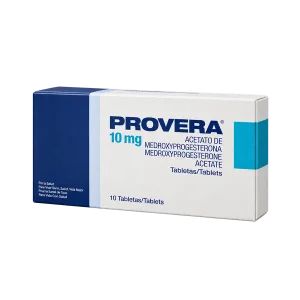
Your order will be securely packed and shipped within 24 hours. This is exactly what your package will look like (images of an actual item sent). It has the size and look of a regular private letter (24x11x0.7 cm) and its contents cannot be seen.
Comparison
Sources
- European Medicines Agency (2013). Benefits and risks of cyproterone acetate 2 mg/ethinylestradiol 35 micrograms-containing medicines.
- European Medicines Agency (2018). Cyproterone-containing medicinal products — referral under Article 31 of Directive 2001/83/EC.
How Buyers Rate Diane 35
Based on 3 reviews
The acne improved, but the first month included nausea and irregular bleeding. The hair on my chin did not change quickly, which was frustrating, and I needed a separate hair-removal routine.
Three months 27 Oct 2026I developed headaches and mood changes during treatment and stopped after speaking with my prescriber. The skin benefit was not worth continuing once those symptoms became persistent.
5 Nov 2026