Skip to content
In Stock Hydrea
Oncology

Hydrea

Hydroxyurea, the active ingredient of Hydrea, is an antimetabolite used in specialist treatment for selected blood cancers and sickle cell disease. Hydrea capsules are prescribed for adults when…

Guaranteed quality Original product
Delivery: from 4 days Discreet delivery
24/7 Support Always available
Active ingredient: Hydroxycarbamide
Select pack Package Per tablet Price
€ 3.77 € 113.00
€ 3.15 € 226.00 € 189.00 Save 16%
Free Standard Delivery € 2.96 € 339.00 € 266.00 Save 22%
Free Express Delivery € 2.85 € 452.00 € 342.00 Save 24%
Free Express Delivery € 2.74 € 678.00 € 493.00 Save 27%
Free Express Delivery € 2.68 € 1,017.00 € 724.00 Save 29%
Best value Free Express Delivery € 2.65 € 1,356.00 € 953.00 Save 30%

Free delivery on orders from € 200.00, free express delivery from € 300.00

Secure payment methods:
VISA AMEX JCB DISCOVER

Hydroxyurea, the active ingredient of Hydrea, is an antimetabolite used in specialist treatment for selected blood cancers and sickle cell disease. Hydrea capsules are prescribed for adults when reducing abnormal cell production or increasing fetal haemoglobin may improve disease control. Its use requires individual dosing and regular blood-count monitoring.

Overview

Hydrea contains hydroxyurea, an antimetabolite and ribonucleotide reductase inhibitor. It is supplied as oral capsules for prescription treatment under specialist supervision. Hydroxyurea capsules may be used in oncology and haematology, but the dose, treatment schedule and monitoring plan differ according to the condition being treated.

Formulation

Hydrea contains hydroxyurea, an antimetabolite and ribonucleotide reductase inhibitor. It is supplied as oral capsules for prescription treatment under specialist supervision. Hydroxyurea capsules may be used in oncology and haematology, but the dose, treatment schedule and monitoring plan differ according to the condition being treated.

Hydroxyurea is absorbed after oral administration and acts mainly on cells that are actively preparing to divide. The medicine can reduce the production of abnormal blood cells and slow the multiplication of selected malignant cells. In sickle cell disease, it can increase fetal haemoglobin, which helps red blood cells remain less prone to sickling.

Hydrea is not a general-purpose painkiller or a medicine for self-directed treatment. Its benefits depend on the diagnosis, blood results, kidney function and the wider treatment plan.

Hydroxyurea treatment is usually managed through scheduled blood tests. Keep a written record of appointments and treatment changes because the dose may be adjusted before symptoms appear.

Active ingredient profile

Hydroxyurea interferes with ribonucleotide reductase, an enzyme needed to produce DNA building blocks. This action limits DNA synthesis and affects rapidly dividing cells. The same pharmacology explains both its anticancer activity and its ability to alter blood-cell production.

Therapeutic indications

Hydrea is used when a clinician needs to reduce abnormal cell proliferation or modify the production of haemoglobin-containing red blood cells. The approved indication depends on the specific product authorisation and the patient’s diagnosis.

Clinical setting Main treatment purpose
Selected leukaemias Reduce excessive or malignant blood-cell production
Some head and neck cancers Support oncology treatment by limiting tumour-cell replication
Sickle cell disease Increase fetal haemoglobin and reduce sickling-related complications

In oncology, Hydroxyurea Capsules may form part of treatment for selected types of leukaemia or head and neck cancer. In some protocols, the medicine is used to control cell counts or to make malignant cells more responsive to radiation therapy.

For sickle cell disease, hydroxyurea may reduce the frequency of painful vaso-occlusive episodes and acute chest complications in suitable patients. The medicine does not remove the inherited cause of sickle cell disease. Its benefit develops through changes in haemoglobin production and requires continued treatment.

Clinical use must match the diagnosis. A treatment plan for cancer cannot be transferred to sickle cell disease, and a sickle-cell dosing approach cannot be applied to an oncology protocol.

Directions for use

Hydrea is taken by mouth as capsules. There is no single dose that suits every patient because dosing differs between strengths, diagnoses, blood counts, kidney function and concurrent treatment.

  • Take the prescribed amount at the scheduled time.
  • Swallow capsules according to the directions provided by the prescribing team.
  • Do not open, crush or chew a capsule unless a specialist has given a specific method for administration.
  • Maintain the planned blood-test schedule.
  • If a dose is missed, do not take an extra dose to compensate. Contact the treatment team for instructions about the next scheduled dose.
  • Keep Hydrea away from children and from anyone for whom it was not prescribed.

Hydroxyurea can be hazardous to rapidly dividing healthy cells as well as abnormal cells. Dose changes are commonly guided by full blood count, renal function and clinical symptoms rather than by symptoms alone.

When not to use it

Hydrea is not suitable for everyone. The following situations require a clear clinical decision before treatment starts or continues:

  • Severe or uncontrolled bone-marrow suppression
  • A serious allergy to hydroxyurea or an excipient
  • Pregnancy unless the specialist team has determined that treatment is necessary
  • Breastfeeding
  • Significant kidney impairment without an adjusted treatment plan
  • Active leg ulcers requiring assessment
  • Uncontrolled infection
  • Concurrent medicines or treatments that intensify marrow suppression

Hydrea can interact with other cytotoxic medicines, antiretroviral therapy, immunosuppressive treatment and radiation therapy. Live vaccines may be unsuitable during immunosuppressive treatment. The oncology or haematology team should review every prescription medicine, over-the-counter product and supplement before treatment begins.

When this is not for you

Hydrea is not appropriate for unsupervised self-treatment of pain, fatigue or an abnormal blood count. It is also unsuitable when a patient cannot attend the blood tests required to manage marrow suppression safely. Pregnancy, breastfeeding, severe cytopenia and untreated serious infection require a specific specialist decision before use.

Unwanted effects

The most clinically significant adverse effect of Hydrea is bone-marrow suppression. Lower white-cell counts can increase infection risk, reduced platelets can increase bruising or bleeding, and reduced red-cell counts can cause tiredness or breathlessness.

Other possible effects include:

  • Nausea, reduced appetite or stomach discomfort
  • Diarrhoea or constipation
  • Mouth ulcers
  • Headache or dizziness
  • Skin changes, dryness or darkening of the nails
  • Hair thinning
  • Fever or unusual tiredness associated with low blood counts
  • Leg ulcers during prolonged treatment
  • Changes in kidney or liver blood-test results
  • Increased uric acid, which may aggravate gout

Seek urgent clinical help for fever, chills, unexplained bleeding, black stools, severe mouth ulcers, sudden breathlessness, confusion or a rapidly worsening leg wound. These symptoms can indicate infection, significant cytopenia or another serious complication.

Some patients notice nausea on treatment days, while others notice little digestive discomfort. Taking the capsule with the schedule chosen by the clinical team can make the routine easier to maintain, but the dose should not be altered to manage side effects.

A temperature can be clinically meaningful during chemotherapy or marrow-suppressive treatment. Use the threshold supplied by the oncology team rather than waiting for symptoms to become severe.

Long-term hydroxyurea exposure may require attention to skin changes and unusual lesions. Sun protection is sensible because chronic treatment can increase concern about skin effects, and any persistent sore or changing lesion should be reported.

How it affects the body

Hydroxyurea blocks ribonucleotide reductase, an enzyme involved in the formation of deoxyribonucleotides. Without an adequate supply of these DNA building blocks, cells have greater difficulty copying their genetic material and progressing through cell division. This slows the growth of susceptible malignant cells. The degree of inhibition depends on exposure and cell type. This helps explain why blood counts can change during treatment.

The mechanism in sickle cell disease is different in its clinical expression. Hydroxyurea stimulates the production of fetal haemoglobin, also called HbF, in many patients. HbF does not sickle in the same way as haemoglobin S, so red blood cells can retain better flexibility and are less likely to obstruct small blood vessels.

Better red-cell flexibility may improve microvascular blood flow and tissue oxygen delivery. Some patients also experience fewer transfusions or hospital admissions, although the response varies and treatment goals must be defined by the haematology team [1].

Common mistakes

Several practical mistakes can reduce treatment control or increase risk:

  • Taking an additional capsule after a missed dose
  • Skipping blood tests because the patient feels well
  • Continuing treatment during fever without contacting the clinical team
  • Starting an over-the-counter medicine or supplement without reporting it
  • Assuming a capsule can be opened and mixed into food
  • Stopping treatment abruptly without a plan
  • Failing to mention kidney disease, dialysis, gout or previous interferon treatment
  • Treating a persistent leg ulcer as a minor skin problem
  • Using another person’s dose because the capsule strength appears similar

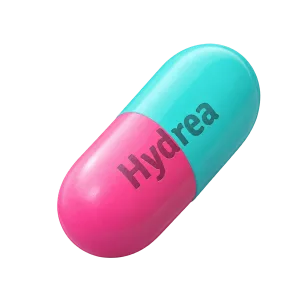
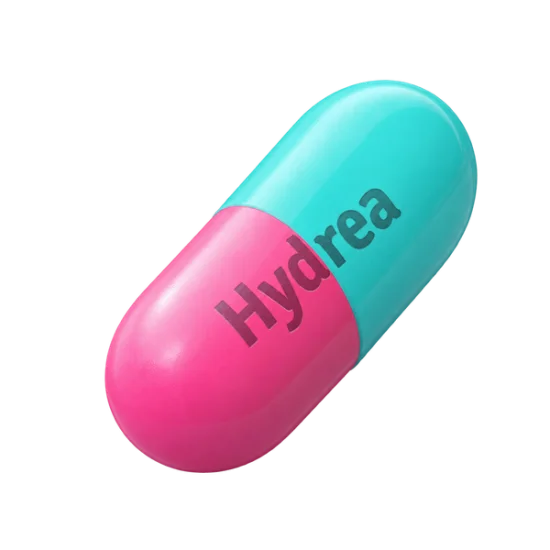
A pink or teal capsule appearance does not determine the correct dose for a particular patient. Strength, schedule and treatment indication must remain linked to the individual prescription.

Comparison

Different treatment categories address different biological targets. The choice depends on the diagnosis and treatment objective.

Approach Main biological role Typical clinical limitation
Hydroxyurea Limits DNA synthesis and increases fetal haemoglobin Can suppress bone marrow and requires blood monitoring
Standard cytotoxic chemotherapy Damages or blocks rapidly dividing malignant cells May cause substantial marrow, gastrointestinal and hair-related effects
Disease-specific targeted therapy Acts on a defined molecular pathway or abnormal protein Only suitable when the relevant biological target is present

Hydroxyurea may be preferred when rapid control of blood-cell production is required or when fetal-haemoglobin induction is an important goal. Targeted treatment may be chosen when testing identifies a suitable molecular target. Conventional chemotherapy or radiation may be used when the cancer protocol requires broader tumour-cell damage.

These approaches are not interchangeable. In some cancer regimens, Hydrea is one component of a wider plan rather than the only treatment.

What doctors say

In clinical practice, haematologists often explain that Hydrea is adjusted according to laboratory results rather than kept at one fixed amount indefinitely. A stable blood count may support continuation, while neutropenia, thrombocytopenia or worsening anaemia may require a temporary pause or dose reduction.

For sickle cell disease, doctors usually assess painful episodes, acute chest events, transfusion needs, HbF levels and blood counts together. One laboratory result rarely tells the entire story. Response can take time, and missed doses may reduce the benefit of treatment.

Oncology teams assess Hydrea alongside tumour response, radiation timing and the effects of other cytotoxic agents. The European Medicines Agency, HPRA and U.S. Food and Drug Administration emphasise product-specific prescribing information, laboratory monitoring and attention to reproductive and occupational exposure precautions [2].

Common questions

What should I do after a missed Hydrea dose?

Do not take an extra capsule to replace a missed dose. Contact the prescribing team or follow the missed-dose plan supplied for your treatment, because the correct action can depend on the schedule and indication. The HPRA product information for hydroxyurea-based treatment available in 2024 stresses dose-specific administration and monitoring [3].

What happens if Hydrea is stopped, and does it need tapering?

Stopping Hydrea can allow the original disease process to become active again, including rising abnormal blood-cell counts or loss of sickle-cell disease benefit. A taper is not automatically required in every situation, but stopping should be planned by the oncology or haematology team. Guidance from the WHO published in 2023 on cancer medicines supports continuity and supervised changes when treatment interruption is clinically necessary [4].

Which condition rules Hydrea out?

Severe bone-marrow suppression is a major reason Hydrea may be withheld or avoided until the cause is assessed. Active serious infection, pregnancy, breastfeeding, severe renal impairment without dose adjustment and significant allergy also require a specific specialist decision. The EMA product information issued in 2024 identifies blood-count abnormalities and reproductive risks as clinically important considerations .

Can I drive, concentrate or operate machinery while taking Hydrea?

Hydrea may cause dizziness, headache, fatigue or illness related to anaemia, infection or low blood counts. Do not drive or operate machinery if these effects reduce alertness, balance or concentration. Occupational safety should be reassessed after a dose change or when Hydrea is combined with chemotherapy; the HPRA provides medicine-safety information published in 2024 that is relevant to these risks .

Which diet, exercise or habits can help or hinder treatment?

Regular meals, adequate hydration and gentle activity may help maintain strength during treatment, provided the clinical team has not restricted fluids or exercise. Avoid starting supplements, herbal products or high-dose vitamins without reporting them because some can affect the wider treatment plan. The National Cancer Institute’s supportive-care guidance published in 2024 supports individual nutrition and activity planning during cancer treatment [5].

How soon does the effect of Hydrea become noticeable?

The timing depends on the condition being treated. Changes in blood counts may appear before a patient feels better, while fewer sickle-cell complications may require sustained treatment and follow-up. Cancer response is assessed through blood tests, imaging and clinical review rather than symptoms alone, and the treatment team determines whether the response is sufficient. The National Cancer Institute describes response assessment as part of ongoing cancer care in 2024.

Do you offer anonymous delivery?

Your order will be securely packed and shipped within 24 hours. This is exactly what your package will look like (images of an actual item sent). It has the size and look of a regular private letter (24x11x0.7 cm) and its contents cannot be seen.

Comparison

How the medicines for Oncology compare

Sources

  1. European Medicines Agency (2023). Summary of Product Characteristics (SmPC) — hydroxycarbamide
  2. U.S. Food and Drug Administration (2020). Hydrea (hydroxyurea) prescribing information
  3. Health Products Regulatory Authority (2023). Summary of Product Characteristics and package leaflet — hydroxycarbamide
  4. World Health Organization (2023). WHO Model List of Essential Medicines
  5. National Cancer Institute (2024). Nutrition in Cancer Care (PDQ®) — Health Professional Version

How Buyers Rate Hydrea

Based on 4 reviews

Adam, 63 Verified
Rating: 3.5 out of 5

He had taken Hydrea for a blood disorder for several months. His blood counts became more stable, but he described mild nausea on some mornings and found that keeping a treatment diary helped him remember laboratory appointments.

Several months 5 Nov 2026
Steven, 46 Verified
Rating: 3 out of 5

He used hydroxyurea as part of an oncology plan. The first weeks were manageable, although tiredness became more noticeable when another treatment was added, and his team adjusted the schedule after reviewing his blood results.

The first weeks 28 Oct 2026
James R., 40 Verified
Rating: 5 out of 5

He reported fewer severe sickle-cell pain episodes after sustained treatment, though the improvement was gradual rather than immediate. He disliked the regular blood tests but said they helped explain why the dose changed.

After sustained treatment 14 Oct 2026
Alan, 57 Verified
Rating: 2 out of 5

He stopped taking capsules for several days when he felt better and later experienced difficulty returning to the planned routine. His treatment team advised him not to restart or alter the dose without direct instructions.

Several days 7 Oct 2026
Get our free app Shop faster and track your orders Install