Skip to content
In Stock Tizanidine
Muscle Relaxants

Tizanidine

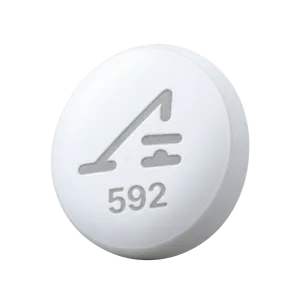
Tizanidine tablets are taken by mouth to reduce muscle spasticity and painful spasms. They are prescribed for adults with conditions such as multiple sclerosis or spinal cord disorders, with the dose…

Guaranteed quality Original product
Delivery: from 4 days Discreet delivery
24/7 Support Always available
Active ingredient: Tizanidine
Select pack Package Per tablet Price
€ 2.93 € 88.00
€ 2.52 € 176.00 € 151.00 Save 14%
Best value Free Standard Delivery € 2.38 € 264.00 € 214.00 Save 19%

Free delivery on orders from € 200.00, free express delivery from € 300.00

Secure payment methods:
VISA AMEX JCB DISCOVER

Tizanidine tablets are taken by mouth to reduce muscle spasticity and painful spasms. They are prescribed for adults with conditions such as multiple sclerosis or spinal cord disorders, with the dose adjusted to the individual response.

Overview

Tizanidine is a centrally acting muscle relaxant. Its active substance, tizanidine, belongs to the alpha-2 adrenergic agonist class and acts mainly within the central nervous system.

Formulation

Tizanidine tablets contain the active substance tizanidine. Tizanidine is a centrally acting muscle relaxant in the alpha-2 adrenergic agonist class and acts mainly within the central nervous system. The tablets are taken by mouth, with strength and dosing adjusted to the individual response, tolerability, symptom severity, and other medicines being taken.

Therapeutic indications

Therapeutic indications for spasticity

Doctors may prescribe Tizanidine for spasticity associated with:

  • Multiple sclerosis
  • Spinal cord injury or disease
  • Other neurological disorders causing increased muscle tone
  • Painful muscle spasms when central muscle relaxation is clinically appropriate

Spasticity differs from an ordinary short-lived muscle ache. It involves involuntary muscle stiffness, exaggerated reflexes, spasms, or resistance during movement. Tizanidine is aimed at this neurological component rather than treating inflammation or repairing a damaged joint.

The response can vary substantially between patients. A dose that reduces spasms for one person may cause excessive sleepiness in another, so treatment is generally started cautiously and adjusted in stages.

The first doses may cause more sleepiness than later doses. Plan the initial treatment around a time when driving, cycling in traffic, and operating machinery are not required.

Directions for use

Tizanidine is supplied as oral tablets, with strength selected according to symptom severity, response, tolerability, and other medicines being taken. The prescribing dose differs between strengths and between users, so there is no single amount suitable for everyone.

The tablets are swallowed with water. Tizanidine can affect blood pressure and alertness, which is why gradual dose adjustment is commonly used in clinical practice. The medicine may be prescribed at intervals during the day or at a time when spasms are most troublesome.

Administration principles

  • Take Tizanidine exactly at the prescribed frequency.
  • Keep the timing consistent from day to day.
  • Swallow the tablet with water unless a prescriber has given different instructions.
  • Do not take extra tablets because a spasm feels worse.
  • Do not stop regular treatment suddenly without medical direction.
  • Avoid alcohol while assessing how the medicine affects alertness and balance.

Food can alter the absorption pattern of tizanidine. A person who takes it with food on one occasion and without food on another may experience a different intensity of effect. Consistency is therefore useful: take each dose in the same relation to meals unless the prescriber specifies otherwise.

Tizanidine tablets should not be crushed or chewed unless a clinician or pharmacist has confirmed that this is appropriate for the supplied formulation. Altering a tablet can make administration less predictable and may make it harder to measure the intended dose.

Keep a simple record of the dose time, sleepiness, dizziness, and muscle spasm relief during the first several days. This gives the prescriber practical information for dose adjustment.

When not to use it

Tizanidine is not suitable for everyone. The main concerns involve liver function, low blood pressure, slow heart rate, kidney impairment, sedation, and interactions that greatly increase tizanidine exposure.

  • You have had a serious allergic reaction to tizanidine.
  • You take fluvoxamine or ciprofloxacin, because these medicines can cause a major rise in tizanidine concentration.
  • You have severe liver disease unless a specialist has specifically assessed the treatment.
  • You are prone to fainting from low blood pressure and the risk has not been addressed.
  • You are already heavily sedated by other medicines, alcohol, or a neurological condition.
  • You have severe kidney impairment without an individual dosing plan.

When this is not for you

Tizanidine is not suitable for everyone. Tell the prescriber about fainting, slow pulse, liver disease, kidney disease, and every sedating medicine before treatment begins. Older adults may be more sensitive to dizziness, confusion, and falls. Pregnancy and breastfeeding require an individual clinical assessment.

Unwanted effects

The most familiar adverse effects of Tizanidine are drowsiness, somnolence, dizziness, fatigue, dry mouth, and weakness. These effects reflect its central action and may become more noticeable after a dose increase or when another sedating medicine is taken at the same time [1].

Blood pressure may fall, especially when standing up. This can cause light-headedness, blurred vision, or a feeling of instability. Liver enzyme changes have also been reported, and clinically significant liver injury is uncommon but medically important.

Common tolerability problems

  • Sleepiness or reduced alertness
  • Dizziness, especially when standing
  • Fatigue or reduced physical energy
  • Dry mouth
  • Muscle weakness
  • Nausea or stomach discomfort
  • Low blood pressure
  • Slow heart rate in susceptible patients

Do not drive or operate machinery until the personal response is clear. A person may feel mentally alert while reaction speed and balance remain impaired.

Dry mouth can make talking, swallowing, or sleeping uncomfortable. Frequent sips of water and sugar-free chewing gum may help, but persistent dryness can increase the risk of dental problems.

Seek urgent medical attention for fainting, severe breathing difficulty, swelling of the face or throat, severe confusion, a markedly slow heartbeat, or yellowing of the skin or eyes. These symptoms may indicate a serious reaction, excessive central nervous system depression, or liver injury.

One practical detail is easy to miss: dizziness may appear when standing quickly even if blood pressure seemed normal while sitting. Rising slowly from bed or a chair reduces the chance of a fall.

If sleepiness becomes difficult to manage, do not compensate with extra caffeine or change the dose independently. The safer solution is a structured review of timing, dose, and interacting medicines.

How it affects the body

It reduces the release of excitatory signals from presynaptic motor neurons, which lowers abnormal muscle tone and helps ease spasms [1].

The medicine does not work by directly paralysing skeletal muscle. Instead, it reduces the nerve activity that causes sustained contraction.

Common mistakes

Several practical errors can make Tizanidine appear ineffective or poorly tolerated:

  • Taking doses with meals on some days and without food on others
  • Driving before the effect on alertness is known
  • Combining the medicine with alcohol, sleep aids, or sedating pain medicines
  • Taking an extra dose after a severe spasm
  • Stopping regular treatment suddenly
  • Standing up quickly after a dose
  • Failing to mention ciprofloxacin, fluvoxamine, or cimetidine
  • Crushing tablets without confirming that the formulation can be altered
  • Judging success only by pain rather than by spasm frequency, sleep, movement, or function

One overlooked mistake is treating daytime drowsiness with a schedule change that has not been agreed with the prescriber. Moving a dose can alter when blood pressure falls and when muscle weakness is most noticeable.

A missed dose should not be routinely doubled. The correct action depends on how close the next scheduled dose is and whether the medicine is being used regularly or only at selected times.

Comparison

Tizanidine, baclofen, cyclobenzaprine, metaxalone, and diazepam all reduce muscle spasm through different pharmacological pathways. The preferred choice depends on whether the problem is neurological spasticity, an acute musculoskeletal strain, pain, sedation risk, kidney function, or the need for longer treatment.

Medicine or class Main clinical distinction Sedation and limitation
Tizanidine Alpha-2 agonist used for central muscle spasticity Drowsiness, low blood pressure, dry mouth, liver monitoring concerns
Baclofen GABA-B agonist commonly used for neurological spasticity Sleepiness, weakness, withdrawal risk if stopped abruptly
Cyclobenzaprine or metaxalone Centrally acting options often used for acute musculoskeletal spasm Sedation, reduced concentration, less suitable for some older adults

Baclofen may be selected when persistent spasticity requires a different central mechanism. Cyclobenzaprine is more commonly associated with short-term painful muscle conditions than with long-term neurological spasticity. Diazepam can reduce muscle spasm but brings tolerance, dependence, and significant sedation concerns.

The closest alternative is not automatically the best alternative. Tizanidine may suit a patient whose spasms respond to alpha-2 activity, while another person may need a medicine with a different renal or neurological profile.

What doctors say

In clinical practice, doctors usually treat Tizanidine as a medicine that requires careful titration rather than a one-size-fits-all tablet. The useful dose is the lowest amount that reduces spasms without causing disabling sleepiness, weakness, or dizziness.

A prescriber will often ask whether the medicine improves a practical function: walking, sleeping, stretching, dressing, or transferring from a chair. A reduction in muscle tightness is helpful only when it does not remove too much strength needed for movement.

The FDA prescribing information describes dose adjustment around response and tolerability rather than a universal regimen . This is why two people with similar diagnoses may receive different schedules.

Clinical review is needed if the benefit fades, spasms worsen suddenly, new weakness appears, or the person becomes unusually difficult to wake. Sudden worsening can reflect infection, medication changes, dehydration, or progression of the neurological condition rather than a simple need for more tablets.

Common questions

What should I do if the expected result does not come?

Contact the prescriber for a treatment review rather than increasing the dose independently. The FDA prescribing information from 2013 describes individual titration because response and tolerability differ between patients. A clinician may review the diagnosis, timing, adherence, interactions, kidney function, liver function, and whether the spasticity has another trigger. Sudden worsening, new weakness, fever, or severe pain needs prompt clinical assessment. The prescriber may also check whether a new medicine or illness is contributing.

Can Tizanidine be taken with food or on an empty stomach?

Tizanidine can be taken orally with or without food, but the relationship to meals should remain consistent. The FDA prescribing information from 2013 describes food-related changes in exposure and absorption, which can alter the intensity of the effect. Taking one dose with food and the next without food may produce more variable dizziness or sedation. Choose a routine that matches the prescriber’s instructions and maintain it.

Does Tizanidine cause drowsiness?

Yes. Drowsiness and somnolence are recognised effects of Tizanidine, and FDA prescribing information from 2013 describes central nervous system depression among the clinically relevant safety concerns for this medicine. Alcohol, diazepam, sleep medicines, and other sedating drugs can make the effect stronger. Avoid driving or hazardous work until the individual response is predictable.

How does Tizanidine differ from baclofen?

Tizanidine is an alpha-2 adrenergic agonist, while baclofen acts mainly at GABA-B receptors. NICE guidance on neurological spasticity, published in 2022, recognises that medicine selection depends on the cause of spasticity, functional goals, adverse effects, and patient characteristics. Tizanidine may cause low blood pressure and dry mouth, while baclofen can cause weakness and has a recognised withdrawal risk after abrupt cessation. Neither medicine should be substituted for the other without a prescribing decision.

How long does a course last, and is long-term use acceptable?

The course length depends on the underlying neurological condition, treatment goals, response, and adverse effects. The EMA’s pharmacovigilance principles from 2024 support periodic review when a centrally acting medicine is used for an extended period. Some patients use Tizanidine for longer periods under supervision, while others need it only during a defined episode of increased spasticity. Long-term treatment should include review of sedation, falls, blood pressure, liver concerns, and interactions.

Can people under 18 use Tizanidine?

Use in people under 18 requires a specialist paediatric assessment because safety, dosing, and the cause of spasticity differ from adults. The WHO’s 2010 principles for paediatric medicines emphasise weight, development, and age-appropriate evidence when medicines are used in children. Do not give an adult’s tablets to a child or estimate a child’s dose from an adult schedule. A paediatric prescriber should determine whether tizanidine is suitable.

What should I do after a missed dose?

Do not automatically take two doses together. The NHS 2024 advice for missed doses of prescribed medicines is to follow the medicine-specific instructions and avoid doubling when the next dose is near. For Tizanidine, the appropriate action depends on the treatment schedule, the time elapsed, and whether the medicine is taken regularly or for selected episodes. If several doses are missed, obtain a specific restart plan rather than resuming an old schedule without review.

Do you offer anonymous delivery?

Your order will be securely packed and shipped within 24 hours. This is exactly what your package will look like (images of an actual item sent). It has the size and look of a regular private letter (24x11x0.7 cm) and its contents cannot be seen.

Comparison

Baclofen

Active ingredient: Baclofen
10mg 25mg
From € 101.00
tablets
3.3 (5)

Tizanidine Current

Active ingredient: Tizanidine
2mg
From € 88.00
tablets
3.8 (3)

How the medicines for Muscle Relaxants compare

Safe Storage and Disposal Protocol

Store Tizanidine tablets in a dry place at ordinary room temperature, protected from excess heat and moisture. Keep them away from children and animals, and avoid storing tablets in a bathroom where humidity can be high.

Unused Tizanidine should not be flushed into a sink or toilet unless local disposal guidance specifically directs this. Return unwanted or expired tablets through an approved medicine-return route arranged by a pharmacy or local medicines service.

Do not transfer tablets into an unmarked container. Keeping the medicine in its supplied container helps preserve identification and reduces accidental ingestion by another person.

Sources

  1. U.S. Food and Drug Administration (2013). Zanaflex (tizanidine hydrochloride) Prescribing Information.

How Buyers Rate Tizanidine

Based on 3 reviews

Kevin A., 61 Verified
Rating: 3.5 out of 5

had used Tizanidine for evening leg spasms for several weeks. He reported that sleep improved after the spasms eased, although the first few doses left him unsteady when getting up at night.

Several weeks 17 Nov 2026
Paul, 32 Verified
Rating: 3.5 out of 5

noticed less shoulder and back spasm after treatment was adjusted. He found the dry mouth manageable, but daytime concentration was poor when he took the medicine before work.

20 Oct 2026
Michael, 57 Verified
Rating: 4.5 out of 5

felt that the tablets reduced stiffness during rehabilitation after a spinal problem. He stopped taking extra doses after one episode of dizziness and found that keeping the timing consistent gave a steadier response.

7 Nov 2026
Get our free app Shop faster and track your orders 3.8 · 404 reviews Install