I took the tablets for schizophrenia for several months. My sleep and suspicious thoughts settled first, but I felt hungry most of the time and gained weight. The treatment helped, although the blood tests and weight checks became part of my routine.
Several months 20 Nov 2026
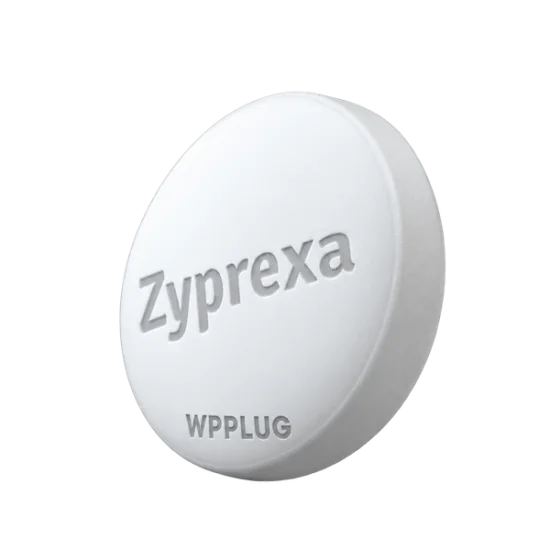
Zyprexa
Adults with schizophrenia or manic episodes associated with bipolar disorder may be prescribed Zyprexa, which contains olanzapine. The tablets help reduce psychotic symptoms and stabilise mood by…
Adults with schizophrenia or manic episodes associated with bipolar disorder may be prescribed Zyprexa, which contains olanzapine. The tablets help reduce psychotic symptoms and stabilise mood by affecting dopamine and serotonin signalling in the brain.
Overview
Adults with schizophrenia or manic episodes associated with bipolar disorder may be prescribed Zyprexa, which contains olanzapine. Zyprexa is the brand name associated with olanzapine, an atypical antipsychotic used in adult psychiatric care.
Formulation
Zyprexa is the brand name associated with olanzapine, an atypical antipsychotic used in adult psychiatric care.
Therapeutic indications
Zyprexa is the brand name associated with olanzapine, an atypical antipsychotic used in adult psychiatric care. Its established clinical uses include schizophrenia and mania associated with bipolar disorder. Olanzapine may be prescribed alone or alongside another medicine when a psychiatrist considers combination treatment appropriate.
The European Medicines Agency describes olanzapine as a treatment for schizophrenia and for moderate-to-severe manic episodes. It can also help prevent recurrence of symptoms in people whose manic episode responded to olanzapine [1].
Management of Schizophrenia
Schizophrenia can involve hallucinations, delusions, disorganised thinking, reduced motivation, and social withdrawal. Olanzapine acts on several neurotransmitter systems involved in these symptoms. The aim is to reduce psychotic experiences and support more stable daily functioning.
Symptom improvement is not always immediate. Agitation or sleep disruption may improve before delusions or social withdrawal. A psychiatrist usually assesses progress over several weeks, while monitoring adverse effects from the beginning.
Treatment of Bipolar Disorder Mania
During mania associated with Bipolar Disorder, a person may experience unusually elevated or irritable mood, reduced need for sleep, impulsive behaviour, rapid speech, or racing thoughts. Zyprexa can be used as monotherapy or as part of a wider treatment plan.
Combination therapy requires careful review because medicines used during a manic episode can affect alertness, blood pressure, body weight, glucose, and movement. The clinical plan may change as acute mania settles and maintenance treatment begins.
Directions for use
The regimen for the chosen strength should be confirmed with a healthcare professional before starting. Zyprexa tablets are taken orally, usually once daily, with the exact strength and schedule selected according to the diagnosis, response, age, other medicines, and physical health.
- Swallow the tablet with water.
- Take it at the same time each day.
- It may be taken with food or on an empty stomach.
- Do not change the dose or stop treatment suddenly without a planned medical review.
- If a dose is missed, take it when remembered unless the next dose is near; do not take two doses together.
A missed dose is usually less dangerous than doubling the next dose. Repeated missed doses can allow symptoms to return, so the pattern should be discussed during the next clinical review.
One practical detail is easy to overlook: taking Zyprexa at night may fit better for people who become drowsy, but the timing should remain consistent with the prescribed plan. A morning schedule may be selected when nighttime sleep is already adequate or when daytime symptom control is the priority.
When not to use it
The following situations require avoidance, specialist assessment, or a clear treatment plan:
- Previous serious allergic reaction to olanzapine or an ingredient in the tablets
- Severe impairment of consciousness or coma
- Known high risk of uncontrolled diabetes or severe metabolic disease
- Previous severe reaction to an antipsychotic
- Parkinson’s disease or dementia with Lewy bodies, where antipsychotics may worsen movement or confusion
- Seizure history, because olanzapine can lower the seizure threshold
- Significant liver disease
- Severe constipation, bowel obstruction, or paralytic ileus
- Pregnancy or breastfeeding, where benefits and infant risks need individual assessment
Alcohol can intensify drowsiness, impaired coordination, dizziness, and reduced judgement. Combining alcohol with Zyprexa is best avoided, especially during treatment initiation or after a dose increase.
When this is not for you
Zyprexa may not be for you if you have a serious allergy to olanzapine, dementia-related psychosis, severe metabolic disease, or a condition that could worsen with antipsychotic treatment. Tell a healthcare professional if you have Parkinson’s disease, dementia with Lewy bodies, seizures, significant liver disease, severe constipation, bowel obstruction, or paralytic ileus. Pregnancy or breastfeeding also requires an individual assessment of benefits and infant risks.
Unwanted effects
Olanzapine can cause sleepiness, increased appetite, dry mouth, constipation, dizziness, and weight gain. These effects vary between individuals. Metabolic monitoring matters because olanzapine has a recognised association with increased blood glucose, dyslipidaemia, and metabolic syndrome [2].
Common or clinically relevant effects include:
- Increased appetite and weight gain
- Daytime drowsiness or reduced alertness
- Constipation and dry mouth
- Dizziness when standing
- Restlessness or akathisia
- Tremor or other movement symptoms
- Changes in blood glucose or lipid levels
- Raised prolactin in some patients
Akathisia is an inner feeling of restlessness that may appear as pacing, shifting in a chair, or an inability to stay still. It can be mistaken for worsening agitation. Reporting the timing of the symptom helps the prescriber distinguish akathisia from a psychiatric symptom.
Mouth tremors, tongue movements, lip smacking, or chewing movements need medical assessment. Persistent involuntary movements may indicate tardive dyskinesia, which can continue after treatment changes.
Severe drowsiness, fainting, high fever with rigid muscles, marked confusion, or rapidly worsening movements require urgent medical attention. A rare neuroleptic malignant syndrome can involve fever, muscle rigidity, altered consciousness, and unstable blood pressure.
Constipation deserves practical attention. Fluids, fibre, movement, and early treatment advice may help, while severe abdominal pain, vomiting, or several days without a bowel movement requires prompt medical assessment.

How it affects the body
Olanzapine is a thienobenzodiazepine derivative. Its antipsychotic action involves antagonism at dopamine receptors and serotonin receptors, with meaningful activity at D1–D4 and several 5-HT receptor subtypes.
Dopamine D2 blockade is linked to reduced psychotic symptoms, while serotonin 5-HT2A activity helps shape the balance between antipsychotic benefit and movement-related effects. Olanzapine also interacts with 5-HT2C, 5-HT3, and 5-HT6 receptors, histamine H1 receptors, muscarinic receptors, and alpha-1 adrenergic receptors [3].
These additional receptor effects explain several practical features:
- H1 receptor blockade contributes to sleepiness and increased appetite.
- Muscarinic activity can contribute to dry mouth, constipation, and blurred vision.
- Alpha-1 blockade can contribute to dizziness when standing.
- Serotonin and dopamine effects together influence mood, thought content, and movement.
Olanzapine is metabolised in the liver through several pathways, including CYP1A2 and CYP2D6, along with direct conjugation. Cigarette smoking can increase CYP1A2 activity and may lower olanzapine exposure. Stopping smoking can then raise drug exposure, so a change in smoking status should be reported rather than ignored.
Fluvoxamine and ciprofloxacin can inhibit CYP1A2 and may increase olanzapine concentrations. Carbamazepine may increase metabolism and reduce exposure. These interactions need a prescriber’s review before treatment changes.
Common mistakes
Several avoidable patterns can reduce treatment benefit or increase adverse effects:
- Stopping tablets suddenly after sleep or anxiety improves
- Doubling the next dose after a missed tablet
- Treating new restlessness as a psychiatric relapse without reporting it
- Ignoring rapid weight gain or increased thirst
- Starting supplements or sedating medicines without checking interactions
- Changing smoking habits without telling the prescriber
- Driving before learning how strongly the tablets cause drowsiness
- Using alcohol to counteract anxiety or sedation
- Assuming a tablet formulation is interchangeable with an injection
One subtle mistake is judging the medicine only by the first few days. Early sleepiness may lessen, while metabolic effects can develop more gradually. Regular physical-health checks remain relevant even when psychiatric symptoms are improving.
Comparison
Antipsychotic selection balances symptom control, previous response, sedation, movement effects, cardiovascular considerations, and metabolic risk. Olanzapine is often valued for broad antipsychotic and antimanic activity, but weight gain and metabolic effects can limit its suitability.
| Treatment approach | Main clinical trade-off |
|---|---|
| Olanzapine | Strong antipsychotic and antimanic profile, with meaningful metabolic and sedation risks |
| Clozapine | Reserved for treatment-resistant schizophrenia or persistent suicidal risk; requires blood monitoring and has complex safety considerations |
| Risperidone or another dopamine-serotonin antagonist | May cause more prolactin-related effects or movement symptoms, depending on dose and individual response |
| Quetiapine or cariprazine-class treatment | May be selected according to bipolar depression, sedation, movement, and metabolic priorities |
Clozapine is generally considered when schizophrenia has not responded adequately to appropriate trials of other antipsychotics. It requires structured monitoring because of risks including severe neutropenia, myocarditis, seizures, and constipation.
Risperidone, quetiapine, and cariprazine represent different clinical choices rather than simple substitutes. The preferred option depends on whether the main target is psychosis, acute mania, bipolar depression, relapse prevention, or treatment resistance.
Olanzapine may suit someone who previously responded well to it, while a different agent may be selected for a person with diabetes risk, substantial weight gain, troublesome sedation, or a history of movement symptoms.
What doctors say
In clinical practice, psychiatrists usually judge response across several domains rather than relying only on whether hallucinations have reduced. Sleep, agitation, speech, suspiciousness, social contact, appetite, and ability to manage daily activities all provide useful information.
A clinician may accept gradual improvement when the person is tolerating treatment and functioning better. Rapid dose changes can increase sedation, dizziness, or movement symptoms without producing faster long-term recovery.
Blood pressure, weight, waist measurement, fasting glucose or HbA1c, and lipid levels may be assessed before treatment and periodically afterwards. The British Association for Psychopharmacology and NICE both support physical-health monitoring for people taking antipsychotics [4].
A doctor will also ask about smoking, caffeine, alcohol, recreational substances, constipation, sleep, and other medicines. These details can change how olanzapine is tolerated or metabolised. Smoking changes can alter olanzapine exposure. Constipation and sedation should be reported early. A medication review can identify interactions before problems develop.
Common questions
Can alcohol be used during Zyprexa treatment?
Alcohol can add to olanzapine-related drowsiness, dizziness, poor coordination, and impaired judgement. The risk is greater during the first days of treatment, after a dose increase, or when another sedating medicine is involved. Avoiding alcohol provides the clearest way to reduce this interaction. The 2024 WHO alcohol guidance also supports avoiding combinations that increase impairment or injury risk.
Can Zyprexa be taken with food or on an empty stomach?
Oral olanzapine tablets can generally be taken with food or without food. Taking the tablet at a consistent time may make the routine easier and helps reduce missed doses. A heavy meal is not required for absorption. The 2024 EMA product information for olanzapine supports administration without a food-specific restriction.
How long does one dose of Zyprexa keep working?
Olanzapine is designed for regular daily treatment rather than occasional symptom relief. A single dose may influence alertness and symptoms into the following day, but the effect is not a substitute for maintaining the prescribed schedule. The time needed for full improvement differs by symptom and diagnosis. Pharmacokinetic information reviewed by the 2024 FDA prescribing information describes a long elimination half-life, which helps explain why missed doses and sudden stopping should be handled carefully.
What should be discussed with a doctor before starting Zyprexa?
Discuss diabetes, high cholesterol, obesity, liver disease, seizures, glaucoma, prostate or urinary problems, constipation, heart disease, low blood pressure, Parkinson’s disease, and previous antipsychotic reactions. Mention all medicines, including sleeping tablets, opioid pain medicines, antidepressants, epilepsy treatments, and supplements. Smoking status is also relevant because tobacco smoke can alter olanzapine metabolism. The 2024 HPRA safety information supports reviewing physical health and interacting medicines before treatment begins.
Do you offer anonymous delivery?
Your order will be securely packed and shipped within 24 hours. This is exactly what your package will look like (images of an actual item sent). It has the size and look of a regular private letter (24x11x0.7 cm) and its contents cannot be seen.
Comparison
Available Formulations and Delivery Methods
The product described here is supplied as oral tablets. Olanzapine also exists in other clinical formulations, but the route, monitoring needs, and practical handling differ substantially.
| Formulation | Route and clinical use |
|---|---|
| Standard olanzapine tablet | Oral treatment for ongoing management of schizophrenia or bipolar mania |
| Orally disintegrating olanzapine tablet | Dissolves in the mouth and may help when swallowing standard tablets is difficult |
| Long-acting olanzapine injection | Intramuscular treatment administered in a supervised clinical setting |
The tablet form gives the prescriber flexibility to adjust the regimen gradually. It also allows treatment to be paused or changed without waiting for a long-acting depot dose to wear off.
Sources
- EMA (2024). Zyprexa (olanzapine): Summary of Product Characteristics (SmPC)
- WHO (2024). Global status report on alcohol and health and treatment of substance use disorders
- FDA (2024). Zyprexa (olanzapine) Prescribing Information
- NICE (2014). Psychosis and schizophrenia in adults: prevention and management
How Buyers Rate Zyprexa
Based on 3 reviews
After starting olanzapine, I was very drowsy in the mornings for about two weeks. It improved when the timing was adjusted, but constipation became annoying and needed attention. I did not stop it on my own.
About two weeks 23 Oct 2026The first month was difficult because of appetite and tiredness. By the following weeks, my mood was less chaotic and I was sleeping more normally. I still needed a review because the weight gain continued.
The first month 6 Nov 2026