I used the 60 mg daily tablet for several months after a bone-density review. The routine was easy, but hot flushes returned during the first weeks and disturbed my sleep. My follow-up focused on walking, balance and fracture risk rather than expecting the tablet to solve everything.
Several months 19 Nov 2026
Evista
Evista supports oestrogen-sensitive bone tissue through raloxifene, helping postmenopausal women manage osteoporosis and vertebral fracture risk. Its tissue-selective action may also reduce the risk…
Evista supports oestrogen-sensitive bone tissue through raloxifene, helping postmenopausal women manage osteoporosis and vertebral fracture risk. Its tissue-selective action may also reduce the risk of invasive breast cancer in selected women, while increasing the need to assess clotting risk.
Overview
Evista contains raloxifene hydrochloride and is supplied as an oral pill. The amount per intake is set individually for each person rather than being one fixed number. Raloxifene belongs to the selective oestrogen receptor modulator group, commonly abbreviated to SERMs.
Formulation
The European Medicines Agency describes raloxifene as a treatment option for osteoporosis in postmenopausal women, with effects that vary between bone, breast and uterine tissues [1].
Active ingredient and pharmacological class
A SERM is a medicine that activates or blocks oestrogen receptors depending on the tissue. Raloxifene acts in an oestrogen-like way in bone, while producing different receptor effects in breast and uterine tissue.
The product name is Evista. The generic name is raloxifene hydrochloride. The amount per intake is set individually for each person rather than being one fixed number.
Primary clinical uses
Evista is used mainly for postmenopausal osteoporosis. It can help maintain bone mineral density and reduce the risk of vertebral fractures in suitable patients.
Raloxifene is also used for breast cancer risk reduction in selected postmenopausal women. It does not treat established breast cancer, and that purpose requires specialist assessment.
Therapeutic indications
Osteoporosis causes bones to become less dense and more fragile. A fracture may occur after a minor fall or ordinary movement, especially in the spine, hip or wrist.
Evista supports bone strength through selective oestrogen receptor activity. Its licensed role centres on postmenopausal osteoporosis and vertebral fracture-risk reduction. The decision depends on fracture history, bone density, age, mobility, kidney function, clotting history and other medicines.
Evista does not repair an acute fracture. A person with a recent fracture still needs assessment for fracture treatment, pain control, rehabilitation and future fracture prevention.
Bone health benefits
Raloxifene may be considered when vertebral fracture prevention is a main goal. It is not a universal treatment for every fracture pattern. The clinical benefit may be less suitable when hip fracture risk is the dominant concern or when the person has substantial venous thromboembolism risk.
A wider bone-health plan remains useful, consistent with guidance from the International Osteoporosis Foundation. Depending on individual needs, this may include dietary calcium, vitamin D assessment, resistance exercise, weight-bearing activity and fall prevention.
Breast cancer risk-reduction context
Selected postmenopausal women at increased risk of invasive breast cancer may receive raloxifene for risk reduction. The benefit applies to risk reduction, not treatment of a diagnosed tumour.
Breast symptoms, abnormal imaging or a previous breast cancer diagnosis require a separate clinical pathway. Evista should not be treated as a replacement for breast assessment or oncology care.

Directions for use
The amount taken at each intake is set individually for each person within the prescribed treatment plan.
- Swallow the pill as directed with water.
- Take it once daily, preferably at a consistent time.
- Continue for the duration selected during clinical review.
- Do not take two pills to compensate for a forgotten dose.
- If a dose is missed, take the next scheduled dose at the usual time unless a prescriber gives different instructions.
The applicable European product information describes oral administration. Treatment duration is not automatically the same for every person.
Evista can be taken orally without regard to meals. A consistent daily routine is often easier than switching between food and fasting schedules. The EMA product information (2007) describes raloxifene administration as a once-daily oral treatment. Other medicines, including bile-acid sequestrants, may affect absorption and need a separate interaction review.
When not to use it
Evista should not be used during pregnancy or lactation. It is intended for postmenopausal women, not for routine treatment during reproductive years.
Severe renal impairment and hepatic impairment require careful consideration. The prescriber needs to know about diagnosed kidney disease, abnormal liver tests, cirrhosis or previous hepatitis before treatment decisions are made.
Evista is not appropriate for a person with active or previous venous thromboembolism unless a specialist has determined that treatment is suitable. The Irish HPRA provides regulatory medicine-safety information relevant to risk assessment and adverse-event reporting.
Prolonged bed rest, major surgery, long hospital stays and serious illness can increase clot risk. Reduced walking after an injury also matters.
Systemic oestrogen therapy, progestin hormones and HRT affect the same broad hormonal pathway. Their combination with Evista should be reviewed rather than assumed to be suitable.
When this is not for you
The limitations are clear. Evista is NOT for you if you have a history of venous thromboembolism, are premenopausal, or need treatment for established breast cancer. Evista does not treat established breast cancer, does not replace HRT for menopausal symptoms, does not suit premenopausal women, and may be unsuitable after venous thromboembolism.
Unwanted effects
Common tolerability effects include hot flushes, leg cramps and flu-like symptoms. Some people also report peripheral swelling, joint discomfort or gastrointestinal symptoms.
Hot flushes may be troublesome during the first part of treatment. They can affect sleep and daily comfort, even though they are not usually an emergency.
Common tolerability effects
Persistent symptoms deserve review rather than silent endurance. A prescriber may assess whether the symptoms are caused by Evista, menopause, another medicine or a separate condition.
Practical measures can help with hot flushes, such as lighter clothing, a cooler bedroom and limiting recognised personal triggers. These steps do not remove the medicine’s potential risks.
A new symptom should not automatically be attributed to raloxifene. Chest pain, breathlessness and one-sided leg swelling need a different level of attention.
Venous thromboembolism warning signs
Venous thromboembolism means a blood clot in a vein. Raloxifene can increase this risk, especially when mobility is reduced.
Seek urgent medical help for:
- One-sided leg swelling, warmth or pain.
- Sudden breathlessness.
- Sharp chest pain that may worsen when breathing.
- Coughing blood.
- Sudden weakness, speech difficulty or facial drooping.
A new swollen, painful leg is not a symptom to monitor casually at home. Sudden breathlessness requires urgent assessment, even if it occurs without leg symptoms.
How it affects the body
Raloxifene binds to oestrogen receptors. These receptors act like cellular control points that influence bone turnover and other biological processes.
An agonist activates a receptor response. An antagonist blocks or changes that response. Raloxifene can behave as an oestrogen agonist in bone and as an antagonist or partial agonist in other tissues.
Tissue-selective oestrogen signalling
In bone, raloxifene reduces the rate at which bone is broken down. This supports bone mineral density and helps reduce vertebral fracture risk in appropriate postmenopausal women.
Breast tissue responds differently. Raloxifene’s receptor activity can contribute to reduced risk of certain invasive breast cancers in selected patients.
The uterus is also affected differently from bone. Evista is not systemic oestrogen therapy and does not provide the full range of effects associated with hormone replacement therapy.
SERM and hormone therapy distinction
Evista is not a substitute for HRT. It does not reliably treat hot flushes, night sweats, vaginal dryness or other broad menopausal symptoms. Hot flushes may become more noticeable during treatment.
Common mistakes
Common patient mistakes
- Treating Evista as HRT for hot flushes.
- Assuming it prevents every type of fracture.
- Doubling the next dose after forgetting one.
- Ignoring a swollen, painful leg because leg cramps are listed as a possible side effect.
- Failing to mention upcoming surgery or prolonged immobility.
- Starting systemic oestrogen or progestin treatment without a medication review.
- Stopping treatment after a few weeks because osteoporosis has no immediate symptoms.
One useful distinction is symptom pattern. A brief hot flush may be an expected tolerability issue, while sudden breathlessness or one-sided leg swelling needs urgent medical attention.
Comparison
Osteoporosis treatments are not interchangeable. Selection depends on fracture location, kidney function, gastrointestinal tolerance, clot risk, breast-health considerations and the person’s ability to follow the administration routine.
| Treatment approach | Main role and class | Key limitation |
|---|---|---|
| Raloxifene | SERM; bone protection with selected breast cancer risk-reduction value | Venous thromboembolism risk; limited effect on menopausal symptoms |
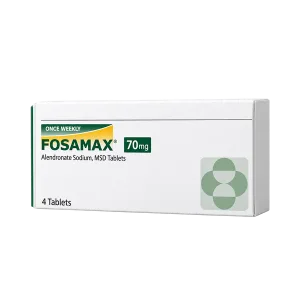
| Alendronate | Bisphosphonate; reduces bone breakdown and fracture risk | Oral administration can be difficult with upper gastrointestinal disease or poor adherence |
| HRT | Oestrogen-based systemic hormone treatment, with or without progestin | Broader hormonal risks and suitability limits; not selected solely for osteoporosis in every patient |
Raloxifene and alendronate
Alendronate is a bisphosphonate, while raloxifene is a SERM. Alendronate may be preferred when broader fracture protection is needed and the person can follow its administration requirements.
Raloxifene may be considered when vertebral fracture prevention and breast cancer risk reduction are both relevant. Kidney function, swallowing problems, reflux and ability to remain upright can influence the choice of alendronate.
Raloxifene, tamoxifen and HRT
Tamoxifen is another SERM, but its main clinical uses differ from raloxifene. It is not an osteoporosis substitute simply because it acts on oestrogen receptors.
HRT is also different. It can treat menopausal symptoms while affecting bone, but its risks and benefits depend on age, symptoms, uterus status, breast history and cardiovascular or clotting risk.
What doctors say
A pharmacist weighing Evista will usually focus on the balance between vertebral bone protection, breast cancer risk-reduction value and clotting risk. The medicine may fit a postmenopausal woman whose main concern is osteoporosis with vertebral risk, especially when breast-health considerations influence the decision.
Treatment goals can change. A new fracture, reduced mobility, planned operation, new cancer diagnosis, liver problem or change in hormonal treatment should trigger a medication review.
Common questions
Which symptoms mean stopping Evista and seeking urgent medical help?
Sudden breathlessness, chest pain, coughing blood or a new one-sided swollen and painful leg may indicate venous thromboembolism. The FDA prescribing information (2020) identifies thromboembolic events as a major safety concern with raloxifene [2]. These symptoms require urgent medical assessment rather than waiting for a routine appointment. Do not take another dose until urgent clinicians have advised what to do.
Can older adults use Evista?
Older postmenopausal women may use Evista when the expected bone benefit outweighs clotting and other risks. NICE osteoporosis guidance (2022) supports individual fracture-risk assessment, including falls, previous fractures, mobility and coexisting illness [3]. Age alone does not determine suitability. Kidney function, liver health, walking ability and concurrent medicines become increasingly relevant as people age.
Can Evista be used by anyone under 18?
Evista is not intended for routine use in people under 18. Its clinical role concerns postmenopausal women with osteoporosis or selected breast cancer risk-reduction needs. The EMA product information (2007) frames raloxifene use around postmenopausal treatment. A specialist would need a specific, documented reason before considering use outside that population.
What should happen after a missed Evista dose?
Take the next scheduled dose at the usual time and do not double the dose to compensate. The FDA label (2020) advises against taking two tablets on the same day after a missed dose. If missed doses become frequent, a reminder linked to a regular daily activity may help. Repeated missed doses should be discussed during medication review because adherence affects the intended bone benefit.
Can Evista be taken with food or on an empty stomach?
Evista can be taken orally without regard to meals. A consistent daily routine is often easier than switching between food and fasting schedules. The EMA product information (2007) describes raloxifene administration as a once-daily oral treatment. Other medicines, including bile-acid sequestrants, may affect absorption and need a separate interaction review.
What happens when Evista is stopped, and does it need tapering?
Raloxifene does not generally require a tapering schedule. Stopping means the medicine’s protective effect is no longer being maintained, so the underlying fracture-risk plan should be reviewed. NICE guidance (2022) recommends reassessing osteoporosis treatment when risk factors, fractures or tolerability change. A clinician may discuss another treatment rather than leaving osteoporosis unmanaged after discontinuation.
Do you offer anonymous delivery?
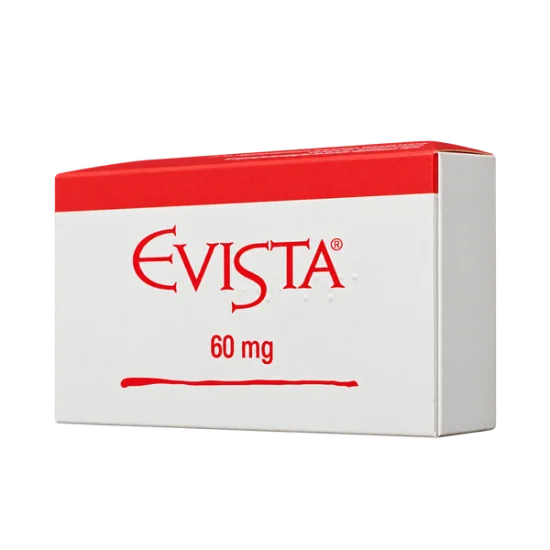
Your order will be securely packed and shipped within 24 hours. This is exactly what your package will look like (images of an actual item sent). It has the size and look of a regular private letter (24x11x0.7 cm) and its contents cannot be seen.
Comparison
Sources
- European Medicines Agency (2007). Evista: Summary of Product Characteristics and product information for raloxifene hydrochloride.
- U.S. Food and Drug Administration (2020). Evista (raloxifene hydrochloride) Prescribing Information.
- National Institute for Health and Care Excellence (2022). Osteoporosis: assessing the risk of fragility fracture, CG146.
How Buyers Rate Evista
Based on 4 reviews
Evista suited my postmenopausal treatment plan because breast cancer risk was part of the discussion. I had leg cramps at night during the early period, which became less frequent later. I still found the menopausal symptoms frustrating and needed separate advice for them.
The early period 25 Nov 2026I was initially unsure because I was not yet clearly postmenopausal. The clinician did not treat the age alone as enough and reviewed my hormone status before making a decision. That assessment prevented me from treating Evista like a general supplement for bone health.
28 Oct 2026I missed one dose during a weekend away and took the next one at the normal time instead of doubling it. My main concern was a painful calf, but assessment found another cause. The experience taught me to report clot-like symptoms promptly rather than guessing from the side-effect list.
4 Nov 2026