I took the tablets for a severe inflammatory flare. The swelling improved within several days, but I slept badly and felt unusually hungry. The taper was easier once I wrote each day’s dose on a calendar.
4 Nov 2026
Medrol
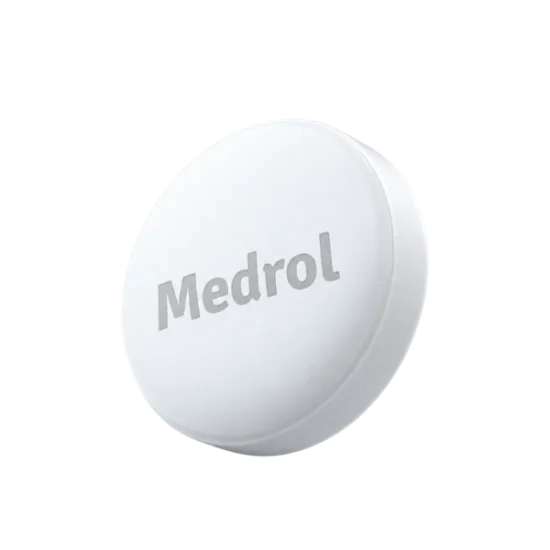
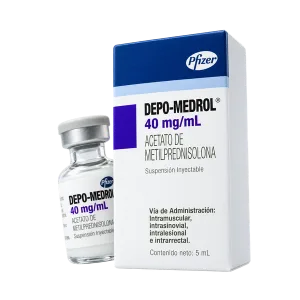
Medrol tablets are taken by mouth, with timing and food instructions set by the prescriber. They contain methylprednisolone, a corticosteroid used to reduce inflammation and moderate excessive immune…
Medrol tablets are taken by mouth, with timing and food instructions set by the prescriber. They contain methylprednisolone, a corticosteroid used to reduce inflammation and moderate excessive immune activity in allergic, rheumatic, autoimmune, and other inflammatory disorders.
Overview
Medrol is the brand name associated with methylprednisolone, a synthetic glucocorticoid corticosteroid. It is a prescription-only medicine used when inflammation or immune activity is causing clinically significant symptoms. A licensed healthcare professional selects the dose, treatment length, and tapering plan according to the condition being treated.
Methylprednisolone can act throughout the body. Doctors may use it for inflammatory joint disease, severe allergic reactions, skin disorders, respiratory inflammation, autoimmune disease, and other conditions that respond to corticosteroid therapy. The medicine does not treat every cause of pain or swelling. Its benefit depends on whether inflammation is driven by a process that responds to glucocorticoid activity.
Formulation
Medrol tablets contain methylprednisolone, a synthetic glucocorticoid corticosteroid. The active ingredient can act throughout the body to reduce inflammation and moderate excessive immune activity. The exact tablet strength and other formulation details are not specified here.
Therapeutic indications
Medrol may be prescribed for inflammatory, allergic, rheumatic, dermatological, respiratory, and autoimmune conditions. The exact indication determines the starting dose and whether treatment is short, intermittent, or prolonged.
Examples of conditions that may respond to methylprednisolone include:
- Rheumatic disorders responsive to corticosteroid therapy.
- Severe allergic or inflammatory reactions.
- Autoimmune conditions involving joints, skin, blood vessels, or connective tissue.
- Inflammatory respiratory disease when a systemic corticosteroid is clinically indicated.
- Certain blood, kidney, eye, or gastrointestinal disorders with an immune-mediated component.
- Acute inflammatory flare-ups requiring stronger treatment than topical or local therapy can provide.
Medrol is an anti-inflammatory and immunosuppressive medicine. These two effects overlap, yet they are not identical. A person may experience less swelling and pain because inflammatory signalling falls, while infection symptoms may become less obvious because immune activity is also reduced.
Directions for use
The dose of Medrol is decided individually, taking age, other medicines, and health conditions into account. Disease severity, the organ affected, previous corticosteroid exposure, treatment response, and the planned course length all influence the regimen.
Common prescribing principles include:
- Take the tablets by mouth at the prescribed time.
- Swallow the tablets with water.
- Take the medicine with food if it causes stomach discomfort.
- Follow the prescribed schedule rather than changing the dose according to daily symptoms.
- Do not stop a prolonged course suddenly unless the prescriber gives a specific stopping plan.
- Use extra caution with high-dose or immunosuppressive doses.
- Keep all monitoring appointments when treatment continues beyond a short course.
The appropriate amount depends on the condition being treated, the person’s clinical circumstances, and the treatment objective. It is not a universal adult dose for Medrol. High-dose treatment may be used for severe inflammatory disease, yet the appropriate amount depends on the diagnosis and treatment objective.
Tapering reduces the risk of adrenal suppression after the body has reduced its own cortisol production during ongoing steroid therapy. A short course may not require a prolonged taper, while a longer or repeated course may need gradual reduction. The prescriber decides this from the total exposure and the person’s clinical response.
If a dose is missed, the appropriate action depends on the prescribed schedule and how close the next dose is. Taking two doses together can increase adverse effects, so a missed dose should be handled according to the individual treatment plan rather than corrected automatically.
When not to use it
Medrol is not suitable for everyone. The medicine should not be used in people with a known hypersensitivity to methylprednisolone or one of the tablet ingredients. Systemic corticosteroid treatment is also contraindicated in certain active systemic fungal infections because immune suppression can allow the infection to worsen.
Extra monitoring may be needed with diabetes, hypertension, heart failure, kidney disease, liver disease, osteoporosis, glaucoma, epilepsy, previous psychiatric illness, peptic ulcer disease, or a history of tuberculosis. A recent infection or close contact with chickenpox, shingles, measles, or another serious infection should be reported promptly.
Pregnancy and breastfeeding require an individual risk assessment. The decision depends on the disease being treated, dose, duration, and available alternatives. Untreated severe autoimmune or inflammatory disease can also harm the pregnant person, so stopping treatment without a plan creates its own risk.
When this is not for you
This medication is not for you if:
- You have had a serious allergic reaction to methylprednisolone or another component.
- You have an active systemic fungal infection unless a specialist has established a specific treatment plan.
- You have an untreated serious infection that could worsen with immune suppression.
- You are considering use for unexplained symptoms without a confirmed clinical reason.
- You plan to stop a prolonged course abruptly.
- You have received a live vaccine while taking an immunosuppressive steroid dose, unless the prescriber has confirmed that vaccination is appropriate.
Methylprednisolone can mask fever and other signs of infection. A person may feel less pain while the underlying infection continues. New fever, breathlessness, painful urination, persistent diarrhoea, or a rapidly worsening local infection should receive prompt clinical attention.
Unwanted effects
Methylprednisolone side effects vary with dose, treatment length, age, underlying illness, and other medicines. Short courses can cause restlessness, altered sleep, increased appetite, indigestion, mood changes, headache, or a temporary rise in blood glucose. These effects may settle after treatment ends.
Longer or high-dose treatment can produce more substantial problems:
- High blood glucose or worsening diabetes control.
- Increased blood pressure and fluid retention.
- Weight gain and changes in fat distribution.
- Skin thinning, easy bruising, acne, or slower wound healing.
- Muscle weakness and reduced bone density.
- Cataracts or increased pressure inside the eye.
- Menstrual changes or other hormonal effects.
- Mood disturbance, anxiety, depression, or steroid-related psychosis.
- Increased susceptibility to bacterial, viral, fungal, or parasitic infection.
- Adrenal suppression after sustained exposure.
A person taking Medrol may feel more energetic at first and mistake that change for recovery. Reduced pain and swelling can also encourage strenuous activity before the underlying condition has stabilised. Both patterns can lead to a flare-up or injury.
Methylprednisolone can worsen an existing stomach problem, especially when combined with medicines that increase gastrointestinal bleeding risk. Black stools, vomiting blood, severe abdominal pain, sudden vision changes, severe confusion, or signs of a serious infection require urgent medical assessment.
Sleep disruption is common enough to affect work and family routines. Morning dosing can be easier for people who experience evening alertness, although the prescribed timing should take priority when a specialist has given a different schedule.
How it affects the body
Methylprednisolone belongs to the glucocorticoid group of corticosteroids. These medicines are related to cortisol, a hormone produced naturally by the adrenal glands. Synthetic glucocorticoids are designed to produce stronger and more predictable anti-inflammatory effects than the body’s brief natural hormone response.
After absorption, methylprednisolone enters cells and binds to intracellular glucocorticoid receptors. The drug–receptor complex moves into the cell nucleus, where it changes the activity of genes involved in inflammation. This reduces the production of inflammatory cytokines, chemokines, adhesion molecules, and other signalling proteins.
The result is reduced movement of immune cells into inflamed tissue, lower release of inflammatory mediators, and less swelling. Methylprednisolone also suppresses some immune responses, which explains its use in autoimmune disease but also explains why infections can become harder to recognise or control. The FDA prescribing information describes these anti-inflammatory and immunosuppressive actions in the context of systemic corticosteroid treatment [1].
Glucocorticoid activity and the cortisol relationship
Cortisol helps regulate immune activity, metabolism, blood pressure, and the body’s response to stress. Methylprednisolone acts on the same broad glucocorticoid receptor system, but its clinical use aims to control inflammation at a selected dose.
This mechanism differs from non-steroidal anti-inflammatory medicines, which mainly reduce cyclo-oxygenase-mediated prostaglandin production. It also differs from antihistamines, which block histamine receptors but do not broadly suppress immune-cell gene signalling. Corticosteroid therapy can therefore be useful when inflammation involves several immune pathways at once.
The same broad action creates limitations. High doses can affect blood glucose, mood, sleep, blood pressure, bone metabolism, and infection resistance. A short course may produce only temporary effects, while repeated or prolonged courses require closer monitoring.

Common mistakes
The most frequent problems arise from changing the schedule without understanding the reason for it.
- Stopping suddenly after a prolonged course.
- Taking an extra tablet for a painful day without a dosing plan.
- Taking the medicine late at night and then attributing insomnia to stress.
- Forgetting to mention Medrol before a vaccination or new prescription.
- Ignoring fever because inflammation has made symptoms less obvious.
- Continuing strenuous exercise because pain has improved.
- Missing blood-glucose checks during high-dose treatment.
- Sharing tablets with a relative who has similar symptoms.
- Taking NSAIDs regularly without reviewing gastrointestinal risk.
- Losing track of a taper and restarting an earlier dose.
A second mistake involves leftover tablets. Keeping unused Medrol for a future rash, joint flare, or chest symptom may delay diagnosis of an infection or another condition requiring different treatment.
Comparison
| Treatment approach | Main action | Typical clinical role |
|---|---|---|
| Methylprednisolone | Broad glucocorticoid anti-inflammatory and immunosuppressive action | Inflammatory or immune-mediated flare-ups |
| Prednisone or prednisolone | Systemic glucocorticoid action with related receptor effects | Similar conditions, depending on prescriber preference |
| Hydrocortisone | Glucocorticoid activity with greater mineralocorticoid effect | Adrenal replacement and selected inflammatory uses |
The choice between corticosteroids depends on potency, duration of action, mineralocorticoid activity, previous treatment, comorbidities, and the need for a rapid anti-inflammatory response. The European Medicines Agency and national regulators treat systemic corticosteroids as medicines requiring careful indication-specific prescribing.
What doctors say
In clinical practice, doctors usually judge Medrol by the balance between rapid control of inflammation and the burden of steroid exposure. A short, clearly defined course may be appropriate for an acute flare, while persistent symptoms may require investigation rather than repeated steroid courses.
A prescriber will usually ask about infections, diabetes, blood pressure, osteoporosis, eye disease, mental health, and current medicines before choosing a regimen. These questions are not routine paperwork. They identify conditions that methylprednisolone can worsen.
Doctors also look at the treatment response. If swelling and pain improve but return quickly after each taper, the underlying disease may need a disease-modifying treatment rather than repeated rescue courses. For autoimmune conditions, Medrol may control the flare while another long-term treatment addresses disease activity.
One practical point is easy to miss: steroid response can make a person feel capable of returning immediately to full activity. The reduction in pain does not always mean that tissue healing is complete.
Common questions
What should happen if the expected result does not come?
A lack of improvement may mean that the condition is not mainly corticosteroid-responsive, the dose needs review, or an infection or other cause is present. Do not increase Medrol independently. The FDA prescribing information reviewed in 2024 advises that treatment should be reassessed when the clinical response is inadequate or adverse effects become significant. Persistent or worsening symptoms need clinical review rather than repeated self-treatment. A clinician should review the diagnosis and treatment plan before any dose change.
How soon does the effect of Medrol become noticeable?
Some inflammatory symptoms may begin to improve within hours to several days, while autoimmune or rheumatic conditions can require longer observation. The timing depends on the disease, severity, dose, and whether tissue damage has already occurred. Clinical guidance used by the NHS in 2025 describes oral corticosteroid response as variable across conditions. A rapid reduction in pain does not prove that the underlying disease has fully settled.
Can Medrol be used during pregnancy or breastfeeding?
Pregnancy and breastfeeding decisions depend on the clinical need, dose, duration, and available alternatives. Methylprednisolone may be used when the expected benefit outweighs the potential risk, but this is an individual prescribing decision. The EMA’s 2024 corticosteroid safety framework supports weighing maternal disease control against fetal and infant exposure. Treatment should not be stopped suddenly because uncontrolled inflammatory disease can also create serious health risks.
Is Medrol suitable for older adults?
Older adults may use methylprednisolone when clinically indicated, but they often need closer monitoring. Risks involving osteoporosis, diabetes, blood pressure, muscle weakness, glaucoma, infection, and mood changes become more relevant with age. Guidance from NICE in 2024 supports attention to bone and metabolic health during systemic corticosteroid treatment. Falls, confusion, new weakness, or sudden visual symptoms deserve prompt assessment.
Can Medrol affect driving, concentration, or machinery work?
Medrol does not impair every person’s driving, but insomnia, dizziness, blurred vision, agitation, drowsiness, or mood changes can make driving or machinery work unsafe. High-dose therapy can also produce unusual confidence, anxiety, or concentration changes. The Irish HPRA’s 2024 guidance advises caution with any medicine that causes central nervous system symptoms. Avoid driving or operating machinery until you know how the tablets affect you.
How long does a course last, and is long-term use acceptable?
A course may last only a few days or may continue for weeks or longer in chronic inflammatory disease. Long-term treatment can be appropriate when the medical benefit is substantial, but it requires dose review and monitoring for adrenal suppression, osteoporosis, infection, glucose changes, blood pressure, eye disease, and psychiatric effects. The WHO’s 2023 information on systemic corticosteroid use supports using the lowest effective exposure for the clinical purpose. Long-term treatment must not be stopped abruptly.
Which symptoms mean stopping and seeking urgent medical help?
Urgent assessment is needed for severe breathlessness, facial or throat swelling, collapse, confusion, severe mood or behaviour change, vomiting blood, black stools, sudden visual loss, or signs of a serious infection. Severe abdominal pain, marked weakness, fainting, and repeated vomiting can also indicate a serious complication or adrenal problem. The HPRA’s 2024 safety information for systemic corticosteroids highlights serious allergic, infectious, gastrointestinal, psychiatric, and endocrine reactions. Do not make a sudden stopping decision during prolonged treatment without urgent clinical instruction, because abrupt withdrawal can also be dangerous.
Do you offer anonymous delivery?
Your order will be securely packed and shipped within 24 hours. This is exactly what your package will look like (images of an actual item sent). It has the size and look of a regular private letter (24x11x0.7 cm) and its contents cannot be seen.
Comparison
Sources
- U.S. Food and Drug Administration (2024). MEDROL (methylprednisolone tablets, USP) Prescribing Information.
How Buyers Rate Medrol
Based on 3 reviews
Medrol reduced my joint stiffness enough for me to move around the house again. I also noticed a metallic taste and felt more irritable during the first week. My symptoms returned when the dose became lower, so my doctor reviewed the longer-term plan.
9 Oct 2026The treatment helped my allergic inflammation quickly, but I developed indigestion and evening restlessness. Taking it with breakfast suited me better than taking it later, and I stopped making strenuous plans until the course was finished.
22 Oct 2026