Skip to content
In Stock Mysoline
Epilepsy

Mysoline

Mysoline is used to manage grand mal, psychomotor, and focal epileptic seizures. Its active ingredient, primidone, is converted in the body into anticonvulsant compounds that help reduce abnormal…

Guaranteed quality Original product
Delivery: from 4 days Discreet delivery
24/7 Support Always available
Active ingredient: Primidone
Select pack Package Per tablet Price
€ 3.50 € 105.00
€ 2.72 € 210.00 € 163.00 Save 22%
Free Standard Delivery € 2.58 € 315.00 € 232.00 Save 26%
Free Standard Delivery € 2.33 € 420.00 € 279.00 Save 34%
Free Express Delivery € 2.19 € 630.00 € 394.00 Save 37%
Best value Free Express Delivery € 1.94 € 1,260.00 € 698.00 Save 45%

Free delivery on orders from € 200.00, free express delivery from € 300.00

Secure payment methods:
VISA AMEX JCB DISCOVER

Mysoline is used to manage grand mal, psychomotor, and focal epileptic seizures. Its active ingredient, primidone, is converted in the body into anticonvulsant compounds that help reduce abnormal electrical activity in the brain.

Overview

Treatment is individualised according to seizure type, age, other medicines, and response.

Mysoline tablets contain primidone, an antiseizure medicine used in the management of several forms of epilepsy.

Formulation

Mysoline contains primidone. It belongs to the antiseizure medicines related pharmacologically to barbiturates, although primidone itself is a distinct chemical compound. After absorption, the liver converts part of the dose into phenobarbital and phenylethylmalonamide, also called PEMA.

These active metabolites contribute to the medicine’s anticonvulsant effect. Primidone and phenobarbital influence neuronal excitability through inhibitory signalling in the central nervous system. The result is a lower tendency for groups of brain cells to fire in an uncontrolled, synchronised pattern.

The metabolism explains several practical features of treatment. Drowsiness, slowed reactions, dizziness, or impaired coordination may occur, especially after starting therapy or increasing the dose. Enzyme induction by phenobarbital can also alter the breakdown of other medicines, including some hormonal contraceptives and anticoagulants. The product information for primidone describes these interactions and the need for clinical review [1].

Metabolic conversion pathways

Primidone is converted into two clinically relevant compounds:

  • Phenobarbital: an active anticonvulsant that can contribute to sedation and central nervous system depression.
  • Phenylethylmalonamide: an active metabolite that may contribute to seizure control.
  • Unchanged primidone: the original compound also has anticonvulsant activity.

The balance between these compounds differs between individuals. Liver function, kidney function, age, genetics, other medicines, and treatment duration can affect blood concentrations and tolerability.

Take each dose at the same time each day. Regular timing reduces fluctuations in medicine exposure and makes missed doses easier to identify.

Therapeutic indications

Mysoline tablets contain primidone, an antiseizure medicine used in the management of several forms of epilepsy. Neurologists may prescribe primidone when seizures arise from one area of the brain, spread across both sides, or show a mixed pattern.

The term “grand mal” refers to a generalised tonic-clonic seizure. This may involve loss of consciousness, stiffening, rhythmic jerking, and a recovery period marked by confusion or profound tiredness. Psychomotor seizures are an older clinical term often associated with focal seizures involving awareness, memory, behaviour, or emotional responses. Focal epileptic seizures begin in a defined region of the brain and may occur with preserved awareness or impaired awareness.

Mysoline may be selected when its anticonvulsant profile fits the person’s seizure pattern. Treatment decisions depend on neurological assessment, previous seizure history, electroencephalography, imaging, kidney and liver function, and interactions with other medicines.

Seizure type Main clinical pattern Therapeutic aim
Generalised tonic-clonic, formerly grand mal Loss of awareness with stiffening and jerking Reduce widespread abnormal electrical discharge
Focal epileptic seizure Symptoms begin in one brain region Suppress or limit focal electrical activity
Psychomotor seizure Altered awareness, behaviour, memory, or automatic movements Reduce episodes linked to focal brain activity

Management of generalised and focal seizures

Primidone can be used alone or alongside another antiseizure medicine, depending on the treatment plan. A neurologist may adjust the regimen slowly because the body needs time to adapt to primidone and its metabolites.

A seizure diary can help identify patterns that are difficult to recall during an appointment. Record the date, approximate duration, awareness, movements, possible triggers, injuries, and recovery symptoms.

Do not stop Mysoline suddenly. Abrupt withdrawal can increase seizure frequency and may trigger prolonged or repeated seizures.

Directions for use

The amount taken at each intake is set individually rather than being one fixed number for every person. A prescriber may begin with a low amount and increase it in stages to limit sedation, dizziness, nausea, or balance problems.

Mysoline tablets are taken by mouth. The prescribed schedule may vary according to seizure type, age, kidney function, concurrent antiseizure medicines, and response. Treatment may continue for an extended period when seizure control is maintained and adverse effects remain manageable.

Practical administration points include:

  • Take the tablet at the prescribed times.
  • Swallow it with water.
  • Follow the prescribed schedule rather than adjusting the amount after a seizure.
  • Do not double the next intake after a missed dose.
  • If vomiting occurs soon after an intake, obtain specific advice from the prescribing service before repeating it.
  • Avoid sudden discontinuation, even after a long seizure-free period.
A phone alarm or weekly medicines organiser can prevent an evening dose being forgotten, especially when primidone causes sleepiness and the usual routine changes.

When not to use it

The clearest contraindication is porphyria, including acute intermittent porphyria and related hepatic porphyrias. Medicines that stimulate hepatic drug-metabolising pathways can provoke a serious porphyria attack in susceptible people.

  • Known hypersensitivity to primidone, phenobarbital, or a relevant tablet ingredient.
  • Porphyria.
  • Previous serious blood, liver, or skin reaction to a barbiturate-related antiseizure medicine.
  • A severe interaction with current treatment identified by a clinician.

When this is not for you

This medication is not for you if:

  • You have a known hypersensitivity to primidone, phenobarbital, or a relevant tablet ingredient.
  • You have porphyria.
  • You have previously developed a serious blood, liver, or skin reaction to a barbiturate-related antiseizure medicine.
  • A clinician has identified a severe interaction with your current treatment.
  • You are considering self-treatment for unexplained episodes that have not been assessed as epilepsy.

Kidney or liver impairment can increase exposure or change metabolite clearance. Older adults may be more vulnerable to confusion, falls, and excessive sedation. A history of depression, suicidal thoughts, bipolar disorder, or severe behavioural reaction to antiseizure medicines needs active monitoring.

Pregnancy requires a planned risk–benefit assessment. Folate planning, specialist review, and pregnancy monitoring are relevant before conception and during pregnancy.

The HPRA product information outlines these reproductive and lactation considerations [2].

Unwanted effects

The most familiar early effects are sleepiness, dizziness, unsteadiness, nausea, reduced concentration, and slowed reactions. These effects may be stronger after the first few intakes or following a dose increase. Some people become more tolerant as treatment continues, while others need a different regimen.

Common or clinically relevant effects can include:

  • Drowsiness or fatigue
  • Dizziness and impaired balance
  • Blurred or double vision
  • Nausea or reduced appetite
  • Headache
  • Difficulty concentrating
  • Mood changes or irritability
  • Reduced coordination
  • Skin rash or other allergic reaction

Sedation can affect driving, cycling, operating machinery, and work at height. Alcohol can intensify central nervous system depression and make coordination worse.

A severe rash, facial swelling, breathing difficulty, extensive blistering, unusual bruising, marked weakness, jaundice, or severe confusion requires urgent medical assessment. New or worsening suicidal thoughts, severe agitation, aggression, or dramatic behavioural change also need immediate attention.

One detail patients sometimes miss is that dizziness can appear before obvious sleepiness. Walking downstairs, showering, or getting out of bed may feel less steady during the first days of treatment.

Do not drive or use machinery until you know how Mysoline affects alertness, balance, vision, and reaction time. A normal first tablet does not guarantee the same response after a later dose increase.

How it affects the body

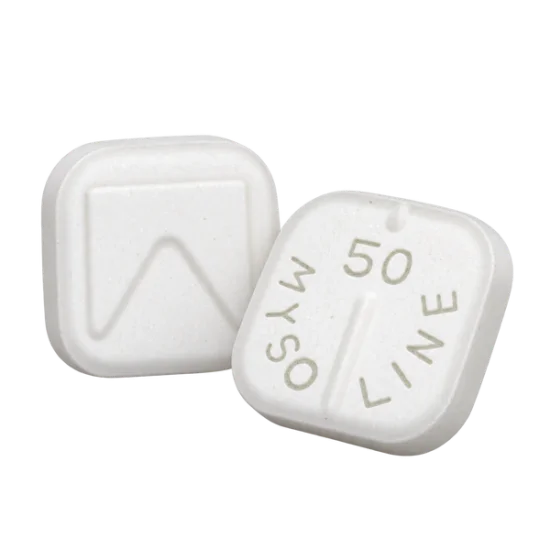
Mysoline contains primidone, which is converted in the body into phenobarbital and phenylethylmalonamide, also called PEMA. These active metabolites contribute to the medicine’s anticonvulsant effect by influencing neuronal excitability through inhibitory signalling in the central nervous system. The result is a lower tendency for groups of brain cells to fire in an uncontrolled, synchronised pattern.

Common mistakes

Several avoidable patterns can reduce treatment reliability:

  • Stopping Mysoline after a seizure-free period without a tapering plan.
  • Taking an extra tablet after a seizure.
  • Combining it with alcohol or sedating medicines.
  • Driving before the effect on alertness and coordination is known.
  • Forgetting to mention oral contraception or anticoagulant treatment.
  • Treating severe mood change as a temporary nuisance.
  • Missing doses during travel, night shifts, illness, or disrupted sleep.
  • Assuming a delayed dose should be doubled.

A seizure diary should include missed doses because breakthrough seizures may follow irregular intake rather than a complete treatment failure. Keep the record simple enough to maintain.

Comparison

The closest pharmacological comparison is phenobarbital because primidone is metabolised partly into phenobarbital. Other antiseizure medicines act through different molecular targets and may be preferred when sedation, interactions, pregnancy planning, or a specific seizure pattern affects the choice.

Treatment approach Main pharmacological feature Clinical limitation
Primidone Converts partly to phenobarbital and PEMA Sedation, interactions, and gradual dose adjustment
Phenobarbital Direct barbiturate-related anticonvulsant action Sedation and enzyme-mediated interactions
Sodium-channel-focused therapy Reduces repetitive neuronal firing Suitability depends on seizure type and individual risks

Mysoline may be useful when its established anticonvulsant action suits the person’s seizure pattern. A different option may be preferred when daytime alertness, multiple medicine interactions, bone health, pregnancy planning, or psychiatric symptoms are major concerns. Changing from one antiseizure medicine to another normally requires a planned taper and overlap rather than an abrupt substitution.

What doctors say

In clinical practice, neurologists usually treat primidone as a medicine that requires deliberate titration rather than rapid experimentation. Seizure control may improve before the best long-term balance between benefit and sedation becomes clear.

A doctor will usually ask about seizure frequency, injuries, alertness, sleep, mood, alcohol intake, contraception, pregnancy plans, and every prescribed or non-prescribed medicine. Blood tests may be used when symptoms suggest toxicity, organ impairment, or an interaction.

An important practical point is that “feeling fine” does not prove the epilepsy has resolved. Seizure control may reflect the medicine working. Stopping it without a planned taper can remove that protection.

Common questions

Can Mysoline affect driving, concentration, or work with machinery?

Yes. Mysoline may cause drowsiness, dizziness, blurred vision, slowed reactions, or impaired coordination, especially after starting treatment or increasing the amount. The HPRA product information available in 2025 describes these effects as relevant to activities requiring alertness and motor control. Avoid driving and machinery work until your individual response is clear and any legal medical requirements have been addressed.

How long can a Mysoline course last, and is long-term use acceptable?

Epilepsy treatment can continue for months or years when seizure prevention remains necessary. The HPRA product information from 2025 supports continued treatment when the clinical benefit remains greater than the risks and monitoring is appropriate. Long-term use requires periodic review of seizure control, sedation, mood, interactions, organ function, pregnancy plans, and bone health where clinically relevant.

How does Mysoline differ from phenobarbital?

Mysoline contains primidone, which is metabolised partly into phenobarbital and phenylethylmalonamide. Phenobarbital is administered as the active drug itself, while primidone provides a combination of parent-drug and metabolite activity. The WHO Model List and epilepsy guidance available in 2025 recognise both medicines as antiseizure options, though their sedation, interaction profiles, and clinical use can differ.

Is Mysoline suitable for older adults?

Older adults may use primidone, but they can be more sensitive to sedation, confusion, dizziness, and falls. The HPRA safety information reviewed in 2025 supports careful dose adjustment and monitoring in people with increased vulnerability to central nervous system effects. Kidney function, other sedatives, balance problems, and memory symptoms deserve attention during follow-up.

What should happen if the expected seizure control does not come?

Do not increase the amount independently or stop Mysoline suddenly. Contact the prescribing service promptly if seizures continue, change pattern, become longer, or occur more often. NICE epilepsy guidance updated before 2026 supports reviewing adherence, diagnosis, interactions, dose tolerance, and the need for specialist reassessment when seizure control remains inadequate.

Can Mysoline tablets be split, crushed, or chewed?

Swallow the tablet in the manner specified by the prescribing service. Do not crush or chew it unless a prescriber or pharmacist has confirmed that the specific tablet can be altered, because changing the tablet may affect accurate dosing and swallowing safety. The HPRA product information from 2025 should be used alongside the individual prescription instructions for the exact tablet presentation.

What should happen after a missed dose?

Take the missed dose when remembered unless the next scheduled dose is close; do not take two doses together. If several doses are missed, seek prompt clinical guidance because restarting the previous amount may cause excessive sedation in some circumstances. The HPRA information available in 2025 advises maintaining regular dosing and avoiding abrupt interruption of antiseizure therapy.

Do you offer anonymous delivery?

Your order will be securely packed and shipped within 24 hours. This is exactly what your package will look like (images of an actual item sent). It has the size and look of a regular private letter (24x11x0.7 cm) and its contents cannot be seen.

Comparison

How the medicines for Epilepsy compare

Sources

  1. FDA (2024). Prescribing Information — Mysoline (primidone).
  2. HPRA (2025). Summary of Product Characteristics (SmPC) — Mysoline (primidone).

How Buyers Rate Mysoline

Based on 5 reviews

Neil, 56 Verified
Rating: 4 out of 5

I had focal seizures for years and started Mysoline gradually. The first week brought heavy tiredness, but it eased after adjustment. I still needed to be careful with driving until my neurologist was satisfied that my concentration had settled.

11 Oct 2026
Richard, 33 Verified
Rating: 5 out of 5

The tablets reduced my night-time seizures after several weeks. I missed one evening dose during a late shift and felt unusually anxious the next morning, so I started using an alarm. The medicine helped, but the routine mattered more than I expected.

Several weeks 20 Oct 2026
David, 28 Verified
Rating: 3.5 out of 5

I struggled with dizziness after an increase and felt unsteady on stairs. My doctor reduced the pace of the changes rather than telling me to stop immediately. Seizure control improved later, although I still noticed fatigue after long workdays.

27 Oct 2026
Peter, 31 Verified
Rating: 3.5 out of 5

Mysoline fitted my treatment plan, but alcohol made the sleepiness much worse. I also had to discuss contraception because of possible interactions. The seizure diary made the follow-up appointment more useful.

1 Nov 2026
Thomas, 28 Verified
Rating: 3.5 out of 5

I did not feel the expected benefit at first and was tempted to take more. The prescriber explained that the amount was being adjusted individually and checked other medicines before changing anything. The main problem for me was poor concentration during the early stage.

Early stage 7 Nov 2026
Get our free app Shop faster and track your orders 3.8 · 300 reviews Install