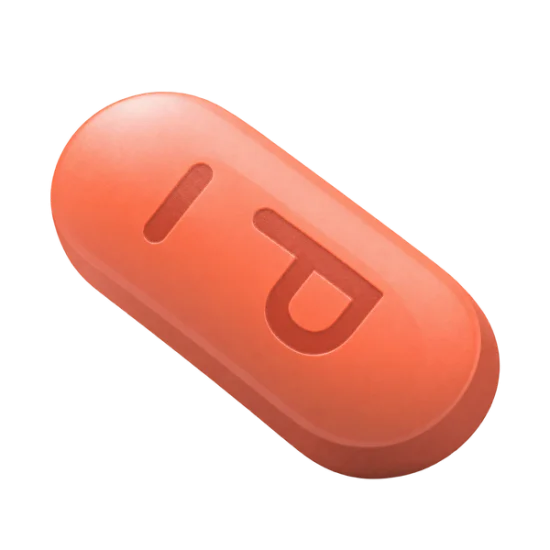
I used the recommended dose of Prilosec for four days for recurring burning after late dinners. The first day was not dramatic, but by the fourth morning I was no longer waking with acid in my throat. I also stopped eating dinner so close to bedtime, which made a bigger difference than I expected. That change became part of my routine.
Four days 10 Nov 2026
Prilosec
Heartburn linked to repeated acid reflux can disturb sleep, meals, and daily comfort. Omeprazole reduces acid production at its source rather than simply neutralising acid already present in the…
Heartburn linked to repeated acid reflux can disturb sleep, meals, and daily comfort. Omeprazole reduces acid production at its source rather than simply neutralising acid already present in the stomach.
Overview
Prilosec capsules contain omeprazole, a proton pump inhibitor used for frequent heartburn and acid-related upper digestive symptoms.
Formulation
Prilosec is an oral capsule treatment based on omeprazole. Omeprazole belongs to the proton pump inhibitor, or PPI, class of acid-reducing medicines. PPIs are used when recurrent reflux symptoms suggest that stomach acid is regularly reaching the oesophagus.
Heartburn is the burning sensation behind the breastbone caused by reflux of stomach contents into the oesophagus. Frequent heartburn usually means symptoms occur on two or more days each week. This pattern differs from an isolated episode after a rich meal or excess alcohol.
The World Health Organization includes omeprazole among medicines used to reduce gastric acid in appropriate clinical settings. [1] The U.S. Food and Drug Administration and the European Medicines Agency also publish regulatory information on omeprazole and related proton pump inhibitors.
Intended use
Prilosec may suit adults with repeated heartburn, acidic taste in the mouth, reflux-related night discomfort, or symptoms that recur after meals. It is designed for acid control over time.
It is not a rapid rescue treatment.
Therapeutic indications
Prilosec targets acid reduction with omeprazole. A clinician may use PPIs for diagnosed reflux disease, inflammation of the oesophagus, ulcer healing, protection for people using anti-inflammatory pain medicines, or eradication regimens for Helicobacter pylori.
Those uses need an individual treatment plan. Duration, timing, and any accompanying medicines depend on the diagnosis rather than the presence of heartburn alone.
NICE guidance on reflux and dyspepsia supports using acid suppression in a structured way, with review when symptoms continue or recur. [2]
Acid-control approaches
| Approach | How it works | Typical role |
|---|---|---|
| Proton pump inhibitors such as omeprazole | Reduce acid production at gastric proton pumps | Recurrent reflux and sustained acid suppression |
| H2-receptor blockers | Reduce histamine-driven acid secretion | Shorter-term or intermittent acid symptoms |
| Antacids and alginates | Neutralise acid or form a reflux barrier | Rapid relief of occasional discomfort |
Antacids can work quickly but their effect is short-lived. H2-receptor blockers can help milder intermittent symptoms, though their acid control is usually less sustained than a PPI. Omeprazole is often selected when heartburn is frequent, but it is less useful as a last-minute treatment before a spicy meal.
Prilosec is not intended for immediate relief of isolated heartburn flare-ups. It reduces the production of new acid; it does not instantly remove acid that has already travelled into the oesophagus.
A person with rare symptoms may not need a daily acid-suppressing strategy. Occasional burning after a known food trigger is often managed differently from recurrent weekly symptoms.
Night-time reflux may also improve with practical changes. Avoiding large late meals, limiting alcohol close to bedtime, and raising the head of the bed can reduce pressure for reflux in some people. These measures do not replace assessment when symptoms are frequent or severe.
Directions for use
Take Prilosec exactly at the dose and frequency agreed with a doctor or pharmacist for the reason it is being used. The capsule is swallowed with water, usually before a meal, because PPIs work best when stomach acid pumps are preparing to become active.
For many people, morning use before breakfast fits the medicine’s mechanism. If symptoms mainly occur at night, the timing may be adjusted by the prescriber according to the diagnosed condition and other medicines being taken.
- Swallow the capsule whole with water.
- Take it before food rather than after a large meal.
- Use it consistently at the chosen time each day.
- Do not double a later dose after forgetting one.
- Do not extend ongoing use without clinical review when symptoms persist or return repeatedly.
Continuous self-treatment can mask conditions that need investigation. Persistent reflux may be linked to oesophagitis, peptic ulcer disease, Helicobacter pylori infection, medicine-related irritation, or another digestive disorder.
When not to use it
Prilosec is not for you if you have previously had an allergic reaction to omeprazole, another proton pump inhibitor, or a capsule ingredient.
Pregnancy, breastfeeding, liver disease, osteoporosis, low magnesium, vitamin B12 deficiency, and a history of serious bowel infection all merit individual review before regular PPI use.
When this is not for you
Do not rely on acid treatment alone if any alarm symptom is present. These symptoms need medical assessment because they may signal bleeding, narrowing of the oesophagus, or another condition requiring diagnosis.
- Difficulty or pain when swallowing food.
- Vomiting blood or material resembling coffee grounds.
- Black, tar-like stools or visible blood in stools.
- Unexplained weight loss or persistent loss of appetite.
- Repeated vomiting.
- New or changing heartburn later in adulthood.
- Chest pain with breathlessness, sweating, dizziness, or pain spreading to the arm, jaw, or back.
Unwanted effects
Prilosec is generally well tolerated when used appropriately. Reported effects with omeprazole include headache, abdominal discomfort, nausea, diarrhoea, constipation, and increased wind. These effects are often mild, though persistent diarrhoea or troublesome abdominal pain deserves medical assessment.
Long-term PPI treatment has separate considerations. Reduced stomach acid can affect absorption of magnesium, vitamin B12, iron, and calcium in some people. Prolonged use has also been associated with a higher risk of certain intestinal infections and bone fractures in higher-risk groups.
The HPRA’s omeprazole product information describes gastrointestinal symptoms, headache, dizziness, and skin reactions among recognised adverse effects. [3]
A rash with swelling of the face, lips, tongue, or throat needs urgent care. Severe diarrhoea, marked weakness, new muscle cramps, or an irregular heartbeat may indicate a problem requiring prompt medical review.
One detail people often miss is rebound acid secretion. After extended PPI use, stopping suddenly may cause a temporary increase in acid symptoms. A prescriber may advise a step-down approach where long-term treatment has been necessary.
How it affects the body
Omeprazole works in specialised stomach cells called parietal cells. These cells use hydrogen-potassium ATPase enzymes, often called proton pumps, to release acid into the stomach. Prilosec blocks these pumps, lowering the amount of acid produced.
The capsule’s gastro-resistant design matters. Omeprazole can be damaged by stomach acid before it reaches the small intestine, where it is absorbed. The capsule protects the medicine during this first part of digestion.
Acid secretion does not stop after the first capsule. Omeprazole progressively blocks active pumps over several daily doses, which explains why symptom improvement may be gradual during the first few days.
Onset and duration
Some people notice less burning after the first day. Full acid suppression can take several days of regular use because not all proton pumps are active at the same time.
A PPI can provide sustained acid reduction. Its limitation is speed: it does not neutralise acid already in the oesophagus as quickly as an antacid.
Common mistakes
Several avoidable patterns reduce the benefit of Prilosec or delay useful assessment.
- Taking the capsule after symptoms have peaked and expecting antacid-speed relief.
- Opening or chewing the capsule because it seems easier to swallow.
- Taking doses irregularly, then assuming omeprazole has failed.
- Continuing treatment despite black stools, painful swallowing, weight loss, or vomiting.
- Forgetting to mention clopidogrel, warfarin, digoxin, antifungal treatment, or seizure medicines.
- Treating recurring symptoms while using frequent ibuprofen, naproxen, or aspirin without discussing stomach protection and bleeding risk.
- Assuming every burning chest sensation is reflux.
A small but useful habit is recording symptom timing for a week: relation to meals, night waking, alcohol, painkillers, and stress. That pattern gives a clinician more usable information than a general description of indigestion.
Comparison
Prilosec is an oral, single-ingredient proton pump inhibitor that reduces acid production at its source, unlike acid-neutralising approaches that act on acid already present in the stomach.
What doctors say
In clinical practice, doctors look first at the pattern of symptoms. Heartburn after nearly every evening meal is treated differently from occasional discomfort after a celebration meal. The frequency, night symptoms, response to acid suppression, weight change, swallowing difficulty, and use of anti-inflammatory pain medicines all guide the decision.
Doctors also distinguish reflux from chest pain of cardiac origin. A burning feeling is not enough to rule out heart disease, especially when discomfort occurs with exercise or comes with breathlessness, sweating, or nausea.
PPIs can be highly useful when acid suppression is the right strategy. Their drawback is that symptom relief can encourage people to continue treatment without reassessing why reflux began or why it remains frequent.
WHO guidance recognises PPIs as valuable medicines, while also supporting rational use at the lowest appropriate exposure for the clinical indication. [1]
Common questions
Can Prilosec be combined with blood thinners or supplements?
Prilosec needs careful review with blood thinners, especially warfarin and clopidogrel. Omeprazole may alter warfarin control and can reduce activation of clopidogrel through CYP2C19 inhibition. The HPRA lists interaction precautions for omeprazole-containing products, including medicines metabolised through liver enzymes, in its 2024 product information. Supplements also matter: tell the prescriber about magnesium, iron, vitamin B12, St John’s wort, and any herbal preparations.
Is Prilosec suitable if I have difficulty swallowing?
No. Difficulty or pain when swallowing is an alarm symptom rather than a symptom to self-manage with ongoing acid reduction. It can occur with oesophageal inflammation, narrowing, or other disorders that need assessment. NICE guidance published in 2019 identifies dysphagia as a reason for urgent clinical evaluation in upper gastrointestinal symptom assessment.
Should Prilosec be taken with food or on an empty stomach?
Prilosec is usually taken before food. Taking omeprazole before a meal helps align its absorption and action with activation of gastric proton pumps. The 2024 HPRA omeprazole product information supports swallowing gastro-resistant capsules whole and using them according to the prescribed regimen. Avoid crushing or chewing the capsule.
How does Prilosec differ from an H2-receptor blocker?
Prilosec blocks the final acid-producing proton pump, while H2-receptor blockers reduce acid secretion through histamine receptors. PPIs usually provide stronger and more sustained acid suppression for recurrent reflux. H2-receptor blockers may act sooner for some people, though their effect is usually shorter. WHO’s 2023 Model List of Essential Medicines includes omeprazole as a medicine used for acid-related disorders.
What should I do after a missed Prilosec dose?
Take the missed dose when remembered unless the next planned dose is near. If it is nearly time for the next dose, skip the missed dose and return to the usual schedule. Do not take two doses together to compensate. This approach is consistent with standard missed-dose advice in the 2024 HPRA omeprazole product information.
How soon does Prilosec become noticeable?
Some people feel improvement within the first day, yet full benefit often takes several days of regular use. Omeprazole works by progressively inactivating active proton pumps, so relief is less immediate than with an antacid. If symptoms persist, intensify, or repeatedly return after treatment, the cause needs clinical review. NICE guidance from 2019 supports reassessment of ongoing or recurrent dyspepsia and reflux symptoms.
Do you offer anonymous delivery?
Your order will be securely packed and shipped within 24 hours. This is exactly what your package will look like (images of an actual item sent). It has the size and look of a regular private letter (24x11x0.7 cm) and its contents cannot be seen.
Comparison
Sources
- World Health Organization (2023). WHO Model List of Essential Medicines: 23rd List.
- National Institute for Health and Care Excellence (2019). Gastro-oesophageal reflux disease and dyspepsia in adults: investigation and management.
- Health Products Regulatory Authority (2024). Summary of Product Characteristics — Omeprazole gastro-resistant capsules.
How Buyers Rate Prilosec
Based on 3 reviews
I took the recommended dose of the capsules inconsistently at first and thought they were doing nothing. Once I started taking them before breakfast each day, the reflux eased after several days. I had mild bloating for a short time, but it settled.
Several days 13 Oct 2026I took the recommended dose for several days, and it reduced my heartburn, though I still needed a review because swallowing felt uncomfortable at times. My doctor did not want me to keep treating that symptom as simple reflux, and I was glad I mentioned it.
Several days 23 Oct 2026