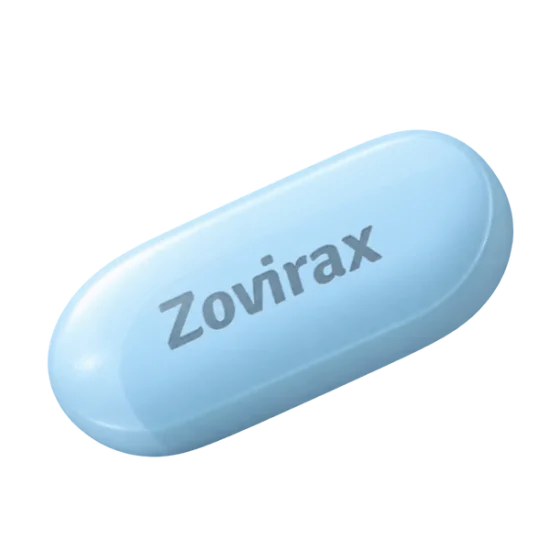
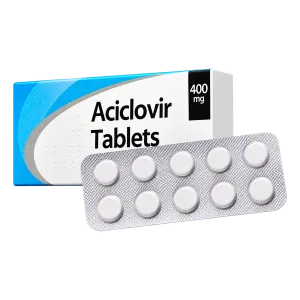
He used the prescribed aciclovir schedule when tingling began and felt the outbreak stayed smaller than usual. He reported mild nausea on the first day but was able to continue drinking and eating normally.
23 Oct 2026
Zovirax
Zovirax tablets deliver aciclovir, which slows herpes simplex virus replication inside infected cells. Early treatment can reduce viral activity before lesions fully develop.
Overview
Formulation
Zovirax tablets contain aciclovir, an antiviral medicine in the nucleoside analogue class. Aciclovir is used against herpes simplex virus and varicella-zoster virus. The tablets are taken by mouth, so treatment acts systemically rather than only on the surface of a lesion.
Cold sores, also called herpes labialis, are caused by herpes simplex virus. After the first infection, the virus remains inactive in nerve tissue and can reactivate during illness, stress, skin irritation, fatigue, or immune suppression. A recurrence may begin with tingling, itching, burning, or local sensitivity before blisters appear.
The tablets do not remove herpes simplex virus from the body. They reduce the virus’s ability to multiply during an active episode. Oral aciclovir may be selected when lesions are extensive, frequent, painful, difficult to reach, or associated with infection elsewhere on the body.
Therapeutic indications
They are used for recurrent cold sores and other herpes simplex infections when oral treatment is appropriate.
Oral aciclovir may be selected when lesions are extensive, frequent, painful, difficult to reach, or associated with infection elsewhere on the body.
The European Medicines Agency and HPRA describe aciclovir as an antiviral used for herpesvirus infections. Clinical benefit is greatest when treatment begins early, although treatment may still be prescribed after lesions have appeared, depending on the clinical situation [2].
Directions for use
The regimen for the chosen strength should be confirmed with a healthcare professional before starting. Different aciclovir regimens are used for different infections, ages, immune conditions, and kidney function. The correct schedule for recurrent herpes labialis may not be the same as the schedule for shingles or widespread herpes infection.
Use involves the following principles:
- take the tablets by mouth at the prescribed frequency;
- begin as soon as the recommended early symptoms or lesions appear;
- swallow each tablet with water;
- maintain regular spacing between doses;
- complete the prescribed course unless a clinician tells you to stop;
- drink enough fluid unless you have a medical reason to restrict fluids;
- take a missed dose when remembered, unless the next dose is due soon;
- skip a missed dose rather than doubling if the next scheduled dose is close.
The treatment duration depends on the infection and response. A short course may be used for an uncomplicated episode, while longer treatment or preventive therapy may be prescribed for repeated infections or weakened immunity.
Kidney function affects aciclovir clearance. Older adults, people with kidney disease, and people who are dehydrated may require a different regimen or closer monitoring. This is especially relevant when treatment lasts several days or when higher antiviral exposure is needed.
When not to use it
Zovirax is not suitable for you if you have previously had a serious allergic reaction to aciclovir or valaciclovir.
Extra caution is needed with:
- kidney disease or a history of reduced kidney function;
- dehydration;
- older age;
- pregnancy or breastfeeding;
- a weakened immune system;
- medicines that can affect kidney function;
- neurological symptoms during a previous aciclovir course.
Interactions can occur with medicines that place additional stress on the kidneys. Examples include some immunosuppressants, medicines used after organ transplantation, and other nephrotoxic treatments.
When this is not for you
Zovirax is not suitable for you if you have previously had a serious allergic reaction to aciclovir or valaciclovir. Tell the prescriber about any previous swelling, breathing difficulty, widespread rash, or severe skin reaction after an antiviral medicine.
Valaciclovir is converted to aciclovir, so a serious hypersensitivity reaction to one may raise concern about the other. This is different from a minor stomach upset and should be assessed before another course is started.
Seek urgent care for a severe rash, facial swelling, breathing difficulty, seizures, confusion, hallucinations, severe headache, reduced urine output, or a painful eye with vision changes. These symptoms are not typical signs of an uncomplicated cold sore.
Unwanted effects
Common adverse effects of oral aciclovir include headache, nausea, vomiting, diarrhoea, abdominal discomfort, tiredness, and skin reactions. These effects are often mild, though their severity can vary. Taking the tablet with water may help if the stomach feels unsettled.
Possible reactions include:
- headache or dizziness;
- nausea or loose stools;
- itching or a skin rash;
- sensitivity to sunlight;
- fatigue;
- confusion or tremor, especially in people with reduced kidney function;
- rarely, severe allergic or neurological reactions.
Mild stomach upset does not necessarily mean the medicine must be stopped. A spreading rash, swelling of the lips or face, breathing difficulty, faintness, blistering skin, or peeling skin requires urgent medical attention.
Confusion, hallucinations, unusual agitation, marked drowsiness, tremor, or difficulty speaking can indicate neurotoxicity. These effects are uncommon but deserve urgent assessment, with greater caution in older adults and people with kidney impairment. The FDA prescribing information highlights the relationship between aciclovir exposure, kidney function, hydration, and neurological adverse reactions [3].
A patient detail that often matters in practice is hydration. People with painful mouth lesions sometimes drink less than usual, and dehydration can increase the strain on the kidneys while taking aciclovir.

How it affects the body
Aciclovir is converted into its active form mainly inside cells infected by herpes simplex virus. Viral thymidine kinase begins this activation process. The resulting triphosphate form interferes with viral DNA polymerase and can terminate the growing viral DNA chain [1].
This selective activation explains why aciclovir targets infected cells more strongly than healthy cells. It does not directly destroy the virus that remains dormant in nerve tissue. Its role is to limit replication during an outbreak and reduce the opportunity for new lesions to develop.
Aciclovir resembles one of the chemical building blocks used to form viral DNA. Once activated in an infected cell, it competes with natural nucleotides and interferes with viral DNA polymerase. The virus then produces incomplete DNA, which restricts further replication.
Aciclovir has a different mechanism from medicines that reduce pain or inflammation. Analgesics may ease discomfort, while aciclovir acts on viral replication. The medicine also differs from topical products because tablets distribute the active ingredient through the bloodstream and can treat infections at sites that are not practical to manage with local application.
Common mistakes
Several practical errors can make treatment less useful:
- waiting until a cold sore becomes a large crusted lesion before starting;
- taking doses at irregular times;
- doubling the next dose after forgetting one;
- drinking very little because mouth lesions make swallowing uncomfortable;
- ignoring reduced urine output;
- sharing tablets with a relative or partner;
- applying tablets or their contents directly to the skin;
- assuming every lip blister is herpes simplex;
- stopping treatment without reporting a serious reaction;
- using an old prescription for a new, different rash.
Aciclovir tablets are intended for oral use. Crushing or opening them for application to a lesion does not turn them into a topical treatment and may lead to inaccurate dosing.
People who wear contact lenses should take eye symptoms seriously. A painful red eye, light sensitivity, blurred vision, or a lesion on the eyelid can indicate ocular herpes and needs same-day medical assessment.
Comparison
| Approach | Main role | Practical limitation |
|---|---|---|
| Oral aciclovir | Systemic treatment for selected herpesvirus infections | Dose adjustment may be needed with reduced kidney function |
| Oral valaciclovir | Converted in the body to aciclovir and used for several herpesvirus infections | The regimen and suitability differ by infection and patient factors |
| Topical antiviral treatment | Local treatment for selected superficial lesions | Less suitable when lesions are extensive or systemic treatment is indicated |
Oral aciclovir may suit people who need treatment beyond a small accessible skin area. Valaciclovir can offer a different dosing schedule because it is converted to aciclovir in the body, though it is still subject to kidney-related precautions.
What doctors say
In clinical practice, prescribers usually focus on timing, diagnosis, recurrence pattern, and kidney function before selecting an aciclovir regimen. A person with occasional mild cold sores may need a different approach from someone with frequent outbreaks, extensive lesions, or immune suppression.
Doctors also look for features that suggest another diagnosis. Lesions near the eye, persistent ulcers, severe pain without visible blisters, fever, or sores that do not heal deserve examination. Recurrent oral ulcers are not automatically caused by herpes simplex virus.
Consistent dosing matters because irregular use may reduce the benefit of treatment. A clinician may also discuss preventive antiviral therapy when outbreaks are frequent or cause substantial disruption. The World Health Organization describes herpes simplex as a lifelong infection that can reactivate, with treatment focused on controlling episodes and symptoms [4].
Common questions
How long does a Zovirax course last, and is long-term use acceptable?
The course length depends on whether treatment is for a short outbreak, repeated episodes, or prevention in a person with increased vulnerability. NHS clinical information reviewed in 2025 describes aciclovir courses as varying according to the infection and the patient’s circumstances. Long-term preventive treatment can be appropriate for selected patients, but it requires periodic clinical review, especially when kidney function may change. Do not extend a short course independently. Review timing with a clinician.
What is the best time of day to take Zovirax?
The best schedule is the one that keeps doses evenly spaced according to the regimen confirmed before treatment begins. HPRA patient-safety information available in 2024 supports following the prescribed frequency rather than concentrating doses at one time of day. Starting promptly after early symptoms appear may improve the chance of limiting an outbreak. A missed dose should not be replaced with a double dose.
Which symptoms mean stopping Zovirax and seeking urgent medical help?
A severe rash, swelling of the face or throat, breathing difficulty, seizures, confusion, hallucinations, or a major reduction in urine output requires urgent care. The EMA safety information available in 2025 identifies serious hypersensitivity, neurological effects, and kidney-related problems as reactions requiring prompt attention. Eye pain, vision changes, or a red eye also need urgent assessment. Do not take another dose while waiting for urgent advice if a severe allergic reaction is developing.
Can alcohol be used while taking Zovirax?
Alcohol does not have a specific direct interaction listed as the main concern with aciclovir in FDA prescribing information reviewed in 2024. It can still worsen dehydration, dizziness, nausea, or tiredness, which may make an outbreak harder to manage. Avoid alcohol if it makes you drink less fluid or increases neurological symptoms. People with liver, kidney, or immune problems should follow the individual advice attached to their treatment plan.
Can people under 18 use Zovirax?
Children and teenagers may receive aciclovir for selected herpesvirus infections, but the dose depends on age, body weight, kidney function, and the diagnosis. The WHO paediatric guidance available in 2023 treats antiviral dosing in children as a clinical decision rather than a simple adult dose reduction. Do not give an adult’s tablets or schedule to a child without a paediatric prescription. Infants with suspected herpes infection need urgent medical assessment.
Is Zovirax suitable for older adults?
Older adults can use aciclovir when the indication and dose are appropriate, though kidney function and hydration require closer attention. The EMA geriatric safety information available in 2025 notes that reduced renal clearance can increase exposure and the risk of neurological adverse effects. Confusion, unusual drowsiness, tremor, or reduced urine output should be reported urgently. A prescriber may select a modified regimen after reviewing kidney function and concurrent medicines.
Do you offer anonymous delivery?
Your order will be securely packed and shipped within 24 hours. This is exactly what your package will look like (images of an actual item sent). It has the size and look of a regular private letter (24x11x0.7 cm) and its contents cannot be seen.
Comparison
Sources
- U.S. Food and Drug Administration (2008). Zovirax (acyclovir) Capsules, Tablets and Suspension Prescribing Information.
- HPRA (2023). Zovirax 200 mg Tablets: Summary of Product Characteristics (SmPC).
- U.S. Food and Drug Administration (2008). Zovirax (acyclovir) tablets: Prescribing Information.
- World Health Organization (2023). Herpes simplex virus: fact sheet and clinical information.
How Buyers Rate Zovirax
Based on 4 reviews
He had taken tablets during several recurrences. The treatment seemed most useful when started early, while a late course did not change the discomfort quickly. His clinician reviewed kidney function before repeating treatment.
30 Oct 2026He noticed improvement after several days, although the crust remained longer than he expected. He initially missed doses during work hours and found that setting reminders made the schedule easier to follow.
11 Nov 2026He developed a headache and stomach upset during treatment and stopped taking further tablets until he received medical advice. The symptoms settled, but the episode reminded him not to restart an old course without checking the regimen.
21 Nov 2026