Skip to content
In Stock Abana
Cholesterol Management

Abana

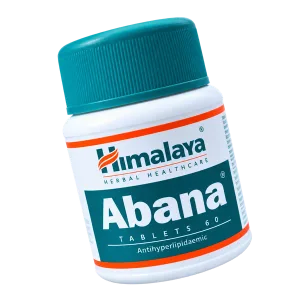
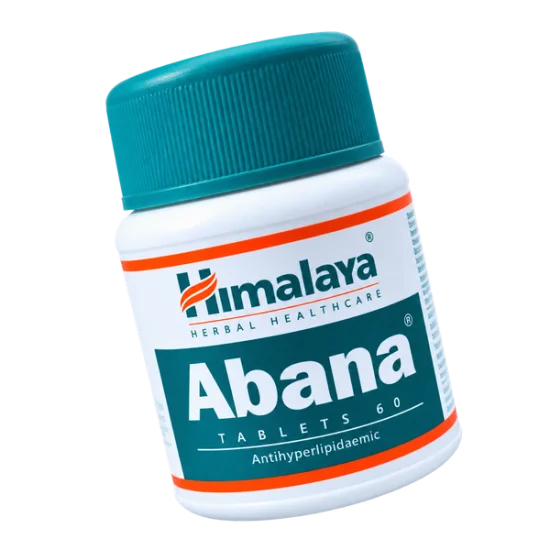
Abana is a bottle-form herbal cardiovascular supplement marked as anti-hyperlipidemic. Its purpose is to support healthy lipid balance and heart functioning alongside dietary and lifestyle measures…

Guaranteed quality Original product
Delivery: from 4 days Discreet delivery
24/7 Support Always available
Active ingredient: Abana
Select pack Package Per tablet Price
€ 89.00 € 89.00
€ 72.00 € 178.00 € 144.00 Save 19%
€ 66.00 € 267.00 € 198.00 Save 26%
Free Standard Delivery € 63.00 € 356.00 € 252.00 Save 29%
Free Express Delivery € 61.20 € 445.00 € 306.00 Save 31%
Free Express Delivery € 60.17 € 534.00 € 361.00 Save 32%
Free Express Delivery € 59.29 € 623.00 € 415.00 Save 33%
Free Express Delivery € 58.63 € 712.00 € 469.00 Save 34%
Free Express Delivery € 58.44 € 801.00 € 526.00 Save 34%
Best value Free Express Delivery € 58.00 € 890.00 € 580.00 Save 35%

Free delivery on orders from € 200.00, free express delivery from € 300.00

Secure payment methods:
VISA AMEX JCB DISCOVER

Abana is a bottle-form herbal cardiovascular supplement marked as anti-hyperlipidemic. Its purpose is to support healthy lipid balance and heart functioning alongside dietary and lifestyle measures. Abana is intended for adults seeking botanical support for cardiovascular wellness.

Overview

The phrase “anti-hyperlipidemic” refers to support for healthy blood fats, including cholesterol and triglycerides. These substances are essential for normal cell function, but persistently raised levels can contribute to atherosclerosis, where fatty deposits build up inside arteries. The formulation belongs to the herbal cardiac-support category rather than a single-ingredient cholesterol medicine.

WHO identifies high blood pressure, abnormal blood lipids, smoking, diabetes, inactivity, and excess body weight as important cardiovascular risk factors [1].

Formulation

Abana is a bottle-form herbal cardiovascular supplement from Himalaya Herbal Healthcare. The available information identifies it as an anti-hyperlipidemic product, but does not specify individual botanical ingredients or their amounts.

Therapeutic indications

Abana may be considered as part of a wider plan for maintaining healthy cholesterol and triglyceride levels. Abana may fit a preventive wellness routine that includes regular physical activity, a balanced eating pattern, weight management, sleep, and control of blood pressure and blood glucose. Abana can be positioned as supportive care for people interested in herbal lipid management.

NICE recommends that cardiovascular risk assessment should consider the full risk profile rather than a single laboratory value [2].

The European Society of Cardiology and European Atherosclerosis Society approach lipid management through total cardiovascular risk rather than through isolated numbers [3].

Directions for use

  • Take Abana orally as a bottle-form herbal cardiovascular supplement.
  • Use an individually determined amount per intake; no fixed dose in mg or ml is established in the available information.
  • The frequency of use, timing in relation to meals or time of day, and duration of use are not established in the available information.

When not to use it

  • Known allergy to any botanical component or excipient.
  • Pregnancy or breastfeeding without an appropriate clinical assessment.
  • Chronic liver disease, unexplained liver-test abnormalities, or previous medicine-related liver injury.
  • Significant kidney disease.
  • Active gallbladder or pancreatic disease.
  • A bleeding disorder or treatment with warfarin, apixaban, rivaroxaban, aspirin, clopidogrel, or another antithrombotic medicine.
  • Use of several medicines metabolised by the liver.
  • Very high triglycerides, suspected familial hypercholesterolaemia, or established cardiovascular disease requiring active lipid treatment.
  • Unexplained chest pain, fainting, severe breathlessness, or new irregular heartbeat.

WHO guidance places risk-factor control and evidence-based management at the centre of cardiovascular prevention [4].

When this is not for you

Abana is NOT for you if you are considering self-directed use in any of the following situations. The following circumstances require specific caution:

The product is not a substitute for urgent cardiac care.

It is also not an appropriate reason to stop prescribed statin therapy or another clinician-directed lipid treatment.

Unwanted effects

Herbal supplements are often tolerated without serious difficulty, but they can still produce adverse effects. Possible problems include nausea, abdominal discomfort, loose stools, constipation, headache, dizziness, or an allergic reaction to one of the botanical components.

Stop using the product and seek urgent medical care for facial swelling, difficulty breathing, widespread rash, fainting, severe vomiting, or signs of liver injury such as yellowing of the skin, dark urine, or unusually pale stools. These symptoms need assessment rather than dose adjustment at home.

People with liver disease, kidney disease, gallbladder problems, diabetes, bleeding disorders, or multiple medicines need a more cautious review. Pregnancy and breastfeeding also require product-specific assessment because safety data for herbal combinations may be limited.

How it affects the body

Abana is positioned as supportive herbal care for maintaining healthy blood fats, including cholesterol and triglycerides, and for heart functioning. Its use complements, rather than replaces, broader dietary and lifestyle measures for cardiovascular wellness.

Common mistakes

Several habits can make lipid-management plans less useful:

  • Using Abana instead of arranging a lipid test.
  • Stopping a prescribed cholesterol medicine after beginning an herbal product.
  • Taking several new supplements at the same time.
  • Assuming “natural” means free from interactions.
  • Ignoring alcohol intake when triglycerides are high.
  • Focusing only on HDL while LDL or non-HDL cholesterol remains elevated.
  • Expecting a single intake to correct a long-standing lipid problem.
  • Continuing the product despite rash, jaundice, severe abdominal pain, or fainting.
  • Failing to mention herbal products before surgery or a dental procedure.
  • Treating a supplement as adequate management after a heart attack or stroke.

One common practical error is forgetting the product during a medication review. Write “Abana” on the medicines list with the number of daily intakes and the start date. That small detail can help identify an interaction or a new symptom.

Comparison

Different approaches work through different mechanisms and have different levels of clinical evidence. Abana is a multi-botanical supplement, while prescription lipid-lowering treatment is selected according to cardiovascular risk, lipid results, co-existing illness, and treatment goals.

Approach Main focus Clinical role
Abana Herbal cardiovascular and lipid support Complementary wellness support
Dietary and activity changes Energy balance, fibre intake, saturated-fat reduction, triglyceride control Foundation of cardiovascular risk reduction
Prescription lipid-lowering therapy Reduction of atherogenic cholesterol according to individual risk Clinician-directed treatment for diagnosed lipid disorders

Prescription therapy has a defined active ingredient, dose range, monitoring plan, and evidence base for reducing cardiovascular events in appropriate patients. Abana has a different role. Its use should be assessed in the context of the person’s treatment objectives rather than treated as interchangeable with prescription therapy.

Fish oil is another category with a different focus. Omega-3 fatty acids can reduce triglycerides in selected circumstances, yet over-the-counter fish oil products vary in dose and composition. Evidence for improving HDL alone does not make fish oil a universal cardiovascular treatment.

What doctors say

In clinical practice, the first question is usually not whether a supplement sounds natural. It is whether the person’s cardiovascular risk has been measured accurately and whether the chosen intervention can meet the required target.

A doctor would usually review the full medication list, blood pressure, diabetes status, smoking history, family history, liver and kidney function, and recent lipid results. The clinician would also ask whether the person is already taking a statin, fibrate, anticoagulant, antiplatelet medicine, or another herbal product.

The practical expectation is gradual support, not a same-day change in cholesterol. A supplement may have a place in a wellness plan, but established hyperlipidaemia may require treatment with a defined medicine and repeat laboratory monitoring. The EMA’s herbal-medicinal-product framework also recognises that traditional use and clinical evidence are not identical forms of support [5].

Common questions

Can Abana affect driving, concentration, or work with machinery?

Abana is a herbal supplement, yet dizziness, headache, stomach upset, or an allergic reaction could affect a person’s ability to concentrate. HPRA guidance on medicines safety in 2024 supports avoiding driving or machinery operation whenever a product causes symptoms that impair alertness or coordination. The first few intakes should be treated cautiously until individual tolerability is clear. Alcohol can add to dizziness and should be limited if symptoms occur. Record any such symptom before discussing continued use with a healthcare professional.

How long does one intake of Abana keep working?

A single intake does not have a reliably defined duration for cholesterol or triglyceride support. Lipid management depends on regular use, dietary pattern, physical activity, and the person’s underlying metabolic condition. WHO cardiovascular guidance from 2023 describes risk reduction as a continuing process rather than an effect that can be judged from one dose. The appropriate amount per intake is individualised, so it should not be increased to chase a faster result.

How soon can the effect become noticeable?

Lipid changes are usually assessed through blood tests rather than by a noticeable physical sensation. NICE cardiovascular guidance from 2023 supports using follow-up measurements and risk assessment instead of relying on how a person feels. Improvements in diet, alcohol intake, weight, or exercise may be noticed before any supplement-related lipid change, while high cholesterol itself often remains symptom-free. A persistent lack of symptoms does not confirm that cholesterol is controlled.

Which condition rules Abana out?

Known liver disease is one concrete reason for a clinical review before using a multi-botanical lipid-support product. The EMA herbal-medicinal-product framework from 2024 emphasises attention to safety, interactions, and the characteristics of the individual preparation. Abana should also not be used as self-treatment for very high triglycerides, unexplained chest pain, or established cardiovascular disease requiring prescribed risk reduction. A history of allergy to a component is another clear reason to avoid the product.

What happens after stopping Abana, and is tapering needed?

A herbal lipid-support product is not generally stopped through a tapering schedule, but the person’s underlying cholesterol or triglyceride pattern may remain unchanged after discontinuation. WHO guidance from 2023 supports continuing the lifestyle and medical measures that control cardiovascular risk, regardless of whether a supplement is used. Stopping should be recorded if blood tests are being monitored, so the clinician can interpret later results accurately. Prescribed cardiovascular medicines must not be stopped or reduced on the same assumption.

Do you offer anonymous delivery?

Your order will be securely packed and shipped within 24 hours. This is exactly what your package will look like (images of an actual item sent). It has the size and look of a regular private letter (24x11x0.7 cm) and its contents cannot be seen.

Comparison

How the medicines for Cholesterol Management compare

Lifestyle factors that support heart health

  • Replace frequent foods high in saturated fat with unsaturated fat sources.
  • Include fibre-rich foods such as oats, beans, vegetables, fruit, and whole grains.
  • Limit alcohol, especially when triglycerides are elevated.
  • Maintain regular moderate-intensity activity, adjusted to physical ability.
  • Stop smoking and avoid exposure to tobacco smoke.
  • Take prescribed blood pressure, diabetes, or lipid medicines consistently.

Sources

  1. World Health Organization (2023). Cardiovascular diseases (CVDs).
  2. National Institute for Health and Care Excellence (2023). Cardiovascular disease: risk assessment and reduction, including lipid modification (NG238).
  3. European Society of Cardiology and European Atherosclerosis Society (2019). 2019 ESC/EAS Guidelines for the management of dyslipidaemias: lipid modification to reduce cardiovascular risk.
  4. World Health Organization (2023). HEARTS: Technical package for cardiovascular disease management in primary health care.
  5. European Medicines Agency (2024). Herbal medicinal products: regulatory and scientific information.

How Buyers Rate Abana

Based on 4 reviews

Jonathan S., 39 Verified
Rating: 3 out of 5

I did not feel a dramatic change, which I expected because cholesterol usually has no symptoms. Keeping the tablets beside my breakfast items helped me remember them, but I still needed blood testing to know whether anything had changed.

Several weeks 7 Oct 2026
Darren, 58 Verified
Rating: 3 out of 5

I liked having a herbal option included in my routine, and I reduced takeaways at the same time. I developed mild stomach discomfort during the first week, so I paused and arranged a medication review rather than adding another supplement.

16 Oct 2026
John, 50 Verified
Rating: 3.5 out of 5

The routine was manageable, and I felt more organised about my heart-health habits. My first follow-up result was not as different as I hoped, so the clinician discussed the wider treatment plan instead of relying on the supplement alone.

23 Oct 2026
Andrew, 66 Verified
Rating: 3.5 out of 5

I decided not to start it until my medicines were reviewed. That was frustrating because I wanted a quick answer, but the review identified a possible interaction concern and gave me a clearer plan.

5 Nov 2026
Get our free app Shop faster and track your orders Install