Skip to content
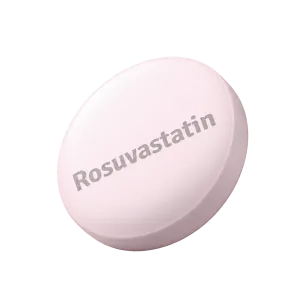
In Stock Rosuvastatin
Cholesterol Management

Rosuvastatin

It slows cholesterol production in the liver and increases the liver’s removal of LDL particles from the bloodstream. Rosuvastatin tablets are used for adults whose cholesterol or cardiovascular risk…

Guaranteed quality Original product
Delivery: from 4 days Discreet delivery
24/7 Support Always available
Active ingredient: Rosuvastatin
Select pack Package Per tablet Price
€ 3.30 € 99.00
€ 2.68 € 198.00 € 161.00 Save 19%
Free Standard Delivery € 2.46 € 297.00 € 221.00 Save 26%
Free Standard Delivery € 2.35 € 396.00 € 282.00 Save 29%
Free Express Delivery € 2.24 € 594.00 € 404.00 Save 32%
Best value Free Express Delivery € 2.17 € 891.00 € 585.00 Save 34%

Free delivery on orders from € 200.00, free express delivery from € 300.00

Secure payment methods:
VISA AMEX JCB DISCOVER

It slows cholesterol production in the liver and increases the liver’s removal of LDL particles from the bloodstream. Rosuvastatin tablets are used for adults whose cholesterol or cardiovascular risk calls for lipid-lowering treatment.

Overview

Rosuvastatin, the active ingredient of Rosuvastatin tablets, is a statin used to reduce LDL cholesterol and triglycerides in people with raised cardiovascular risk.

Formulation

Rosuvastatin tablets contain rosuvastatin, a cholesterol-lowering medicine from the statin class. Statins are also called HMG-CoA reductase inhibitors because they block a liver enzyme involved in cholesterol synthesis.

Rosuvastatin is used alongside dietary measures, physical activity, weight management where appropriate, and management of blood pressure or diabetes risk. Its main treatment target is LDL cholesterol, often called bad cholesterol, because higher LDL levels contribute to atherosclerosis: fatty plaque build-up inside arteries.

The HPRA describes rosuvastatin as an oral lipid-modifying treatment for adults with primary hypercholesterolaemia, mixed dyslipidaemia, and selected patients at elevated cardiovascular risk [1].

A cholesterol result can look reassuring when total cholesterol is falling, yet LDL cholesterol and non-HDL cholesterol are usually more useful markers for treatment decisions.

Therapeutic indications

Rosuvastatin is prescribed for primary hypercholesterolaemia, including type IIa hypercholesterolaemia, and mixed dyslipidaemia, often described as type IIb. These conditions can occur without symptoms. A person may feel perfectly well while LDL cholesterol remains high for years.

Treatment decisions are based on the lipid profile plus cardiovascular risk. Clinicians consider age, smoking, blood pressure, diabetes, kidney function, family history of premature cardiovascular disease, and previous heart attack, stroke, or peripheral arterial disease.

NICE guidance uses LDL and non-HDL cholesterol reduction as practical measures of response to statin treatment. For people at higher risk, the intended reduction is often more ambitious than for those receiving treatment for primary prevention [3].

Directions for use

  • Take Rosuvastatin tablets by mouth once daily.
  • Take the tablet at a consistent time of day, with or without food.
  • The dose in mg varies between tablet strengths and between users; take the amount prescribed for you.
  • Continue treatment for the duration specified by the prescriber.
  • If a dose is missed, take it when remembered unless the next dose is due soon; do not take two doses together.

When not to use it

Rosuvastatin is not for you if you have:

  • an allergy to rosuvastatin or a tablet ingredient;
  • active liver disease or persistently unexplained raised liver enzymes;
  • pregnancy or breastfeeding;
  • a history of severe statin-related muscle injury unless a prescriber has assessed the cause and treatment plan;
  • treatment with ciclosporin, unless a specialist has made a specific alternative plan.

Gemfibrozil deserves special attention. It can raise rosuvastatin exposure and increase the likelihood of myopathy, meaning muscle pain or weakness caused by muscle injury. Other medicines that may require review include certain antiviral treatments, fusidic acid, colchicine, warfarin, and some lipid-lowering combinations.

The FDA prescribing information identifies interaction-related muscle toxicity as a key safety issue with rosuvastatin and advises caution with medicines that increase systemic exposure [4].

When this is not for you

Do not take rosuvastatin if you are allergic to it or one of its ingredients, have active liver disease, are pregnant or breastfeeding, or have had severe statin-related muscle injury without medical assessment. Ciclosporin requires a specialist plan, and medicines such as gemfibrozil, certain antivirals, fusidic acid, colchicine, warfarin, and some lipid-lowering combinations should be discussed with the prescriber.

Unwanted effects

Most people tolerate rosuvastatin without major difficulty. Common reported effects include headache, dizziness, abdominal discomfort, constipation, nausea, tiredness, and muscle aches. Many muscle symptoms have causes unrelated to statins, including strenuous exercise, viral illness, thyroid disease, low vitamin D, or joint problems.

Muscle pain that is symmetrical, persistent, and unexplained deserves attention. Severe muscle pain, marked weakness, dark urine, fever, or profound fatigue needs urgent medical assessment because these can signal rhabdomyolysis, a rare form of serious muscle breakdown.

Small rises in liver enzymes may occur. Clinicians may repeat blood tests, review alcohol consumption and interacting medicines, then decide whether the dose should change or another lipid-lowering approach is more suitable. New-onset diabetes has also been observed with statin therapy, mainly in people who already have risk factors such as raised fasting glucose, obesity, or metabolic syndrome.

The European Atherosclerosis Society’s 2015 consensus statement sets out a structured assessment for statin-associated muscle symptoms, including symptom timing, creatine kinase testing when clinically indicated, and review of alternative causes [5].

Do not stop rosuvastatin solely because of a sore muscle after an unfamiliar workout. Record when symptoms began, which muscles hurt, recent exercise, and any new medicines; those details help distinguish a medicine effect from a common strain.

Alcohol does not directly block rosuvastatin’s action, though regular heavy alcohol intake can increase liver strain and triglycerides. Liver function should be interpreted in the context of alcohol intake, other medicines, and underlying liver disease.

How it affects the body

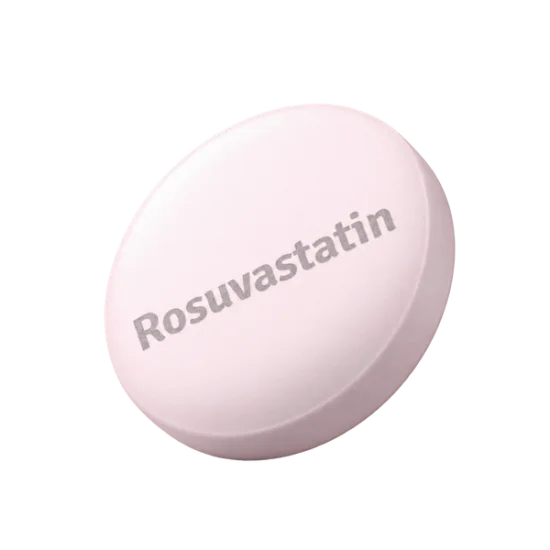
The liver makes cholesterol through a chain of biochemical reactions. HMG-CoA reductase converts 3-hydroxy-3-methylglutaryl coenzyme A into mevalonate, a precursor needed for cholesterol production. Rosuvastatin competitively inhibits this enzyme.

Less cholesterol production inside liver cells triggers an increase in LDL receptors on the liver surface. These receptors pull more LDL particles out of the circulation. The result is a meaningful fall in LDL cholesterol, with reductions in triglycerides and a modest rise in HDL cholesterol in many patients.

Rosuvastatin works in the liver, where cholesterol handling has the greatest effect on blood lipid levels. It does not dissolve existing arterial plaque overnight. Lowering LDL consistently helps reduce the chance that plaque will grow, rupture, and cause events such as heart attack or stroke. The EMA describes this enzyme-targeted mechanism in its rosuvastatin product information [2].

  • LDL cholesterol: the main cholesterol fraction linked with plaque formation.
  • HDL cholesterol: a cholesterol-carrying particle associated with reverse cholesterol transport.
  • Triglycerides: blood fats that may rise with obesity, diabetes, alcohol intake, or high refined-carbohydrate intake.
  • Non-HDL cholesterol: total cholesterol minus HDL cholesterol; it captures several harmful cholesterol-containing particles.

Common mistakes

  • Taking tablets only before a blood test instead of consistently.
  • Stopping treatment after LDL cholesterol improves, without discussing the ongoing cardiovascular risk.
  • Assuming muscle pain is always caused by the statin, or ignoring severe muscle symptoms that need assessment.
  • Starting gemfibrozil, colchicine, or an antiviral medicine without mentioning rosuvastatin.
  • Treating total cholesterol as the only meaningful result while overlooking LDL and non-HDL cholesterol.
  • Taking a missed dose together with the next scheduled dose.

A lipid result reflects several weeks of treatment habits, not just the previous day. Regular use matters more than choosing morning rather than evening.

Comparison

Treatment approach Main lipid effect When it may be preferred
Rosuvastatin Strong LDL cholesterol reduction Higher LDL reduction needs or elevated cardiovascular risk
Atorvastatin Strong LDL cholesterol reduction A commonly used high-intensity statin option
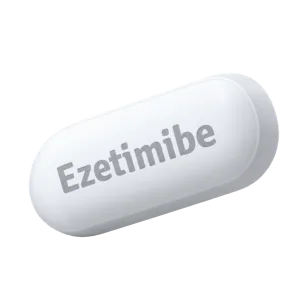
Ezetimibe Reduces intestinal cholesterol absorption Added when statin response is insufficient or statin dosing is limited

Rosuvastatin and atorvastatin are both potent statins, yet they differ in interaction profiles and dose selection. Ezetimibe acts through a separate mechanism and may be combined with a statin when LDL cholesterol remains above the agreed target.

What doctors say

In clinical practice, prescribers focus less on a single cholesterol number and more on the person’s full cardiovascular risk. Someone with diabetes, established vascular disease, kidney disease, or a strong family history may benefit from lower LDL cholesterol targets than someone with isolated mild elevation.

Doctors also expect a measurable biochemical response. If LDL cholesterol has not fallen as expected, the first steps are usually to confirm regular dosing, review interactions, assess diet and secondary causes of high cholesterol, and repeat the lipid profile at an appropriate interval.

The WHO links raised cholesterol and other modifiable risk factors with cardiovascular disease, which remains a leading cause of illness and death worldwide. Rosuvastatin is one part of risk reduction; smoking cessation, blood-pressure control, diabetes management, and physical activity still matter.

Common questions

How long does a course of Rosuvastatin last, and is long-term use acceptable?

Rosuvastatin is often used long term because raised LDL cholesterol and cardiovascular risk usually persist unless their underlying cause changes. NICE guidance from 2023 treats lipid lowering as ongoing prevention for people who continue to have an elevated risk profile. Follow-up blood tests help confirm response and guide any adjustment. A prescriber may reconsider treatment when circumstances change, such as substantial weight loss, a new diagnosis, pregnancy planning, or a medicine interaction. The final decision should reflect current risk and treatment goals.

What should I do if my expected cholesterol result does not occur?

Do not increase the dose independently. The HPRA approach in 2024 is to review adherence, timing of blood tests, interacting medicines, diet, alcohol intake, thyroid status, diabetes control, and kidney function before changing treatment. Some people need a different statin strategy or an additional cholesterol-lowering treatment. A repeat lipid profile can show whether the issue is insufficient LDL reduction, high triglycerides, or both.

Can Rosuvastatin be used by people under 18?

Rosuvastatin can be used in selected children and adolescents with inherited lipid disorders, such as familial hypercholesterolaemia, under specialist supervision. The FDA’s 2023 prescribing information includes paediatric use for specific age groups and clinical indications, rather than routine use for every young person with a mildly abnormal cholesterol test. Dose selection and monitoring are different from adult care. A family history of early heart disease or very high LDL cholesterol often prompts specialist assessment.

What is the best time of day to take Rosuvastatin?

Rosuvastatin may be taken at any time of day because it has a long duration of action. The 2024 EMA product information supports once-daily administration without a requirement for evening dosing. The best time is the time a person can follow consistently. Taking it with food is optional, unless a prescriber has given a different instruction for an individual clinical reason.

Do you offer anonymous delivery?

Your order will be securely packed and shipped within 24 hours. This is exactly what your package will look like (images of an actual item sent). It has the size and look of a regular private letter (24x11x0.7 cm) and its contents cannot be seen.

Comparison

How the medicines for Cholesterol Management compare

Sources

  1. HPRA (2024). Summary of Product Characteristics — Rosuvastatin tablets.
  2. EMA (2024). Summary of Product Characteristics — Rosuvastatin.
  3. NICE (2023). Cardiovascular disease: risk assessment and reduction, including lipid modification (NG238).
  4. FDA (2023). CRESTOR (rosuvastatin calcium) prescribing information.
  5. European Atherosclerosis Society Consensus Panel (2015). Statin-associated muscle symptoms: impact on statin therapy.

How Buyers Rate Rosuvastatin

Based on 4 reviews

Karen, 44 Verified
Rating: 5 out of 5

I took Rosuvastatin for four months after my blood test showed high LDL cholesterol. My follow-up result was much better, and I did not notice any day-to-day side effects. I set an alarm for the first few weeks because I kept forgetting it after dinner.

Four months 14 Oct 2026
Jonathan L., 34 Verified
Rating: 3.5 out of 5

I started treatment because high cholesterol runs in my family. I had mild calf aching during the second week, but I had also restarted football training, so my GP asked me to track it rather than stop straight away. The discomfort settled after I reduced the extra training for a few days.

During the second week 21 Oct 2026
Christopher, 33 Verified
Rating: 5 out of 5

I used the tablets consistently for three months and my LDL level dropped more than I expected. The hardest part was accepting that I felt healthy before treatment, so I did not see the point at first. Seeing the numbers change made it feel more practical.

Three months 29 Oct 2026
Lucy L., 41 Verified
Rating: 4 out of 5

I developed stomach upset during the first fortnight, which improved when I began taking the tablet at the same time each evening. My cholesterol result improved, I was disappointed that the tablet was not a complete solution, and I still needed to work on food choices and exercise.

The first fortnight 10 Nov 2026
Get our free app Shop faster and track your orders 3.8 · 341 reviews Install