Skip to content
In Stock Ezetimibe
Cholesterol Management

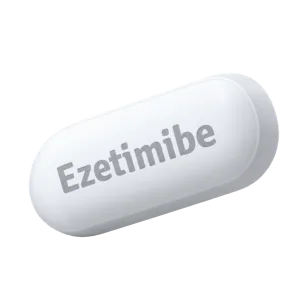
Ezetimibe

Ezetimibe tablets are taken by mouth once daily, with or without food, to help manage high cholesterol. They are used for adults who need lower LDL-C, alone or alongside a statin. Ezetimibe reduces…

Guaranteed quality Original product
Delivery: from 4 days Discreet delivery
24/7 Support Always available
Active ingredient: Ezetimibe
Select pack Package Per tablet Price
€ 3.40 € 102.00
€ 2.75 € 204.00 € 165.00 Save 19%
Free Standard Delivery € 2.49 € 306.00 € 224.00 Save 27%
Free Standard Delivery € 2.25 € 408.00 € 270.00 Save 34%
Best value Free Express Delivery € 2.03 € 612.00 € 365.00 Save 40%

Free delivery on orders from € 200.00, free express delivery from € 300.00

Secure payment methods:
VISA AMEX JCB DISCOVER

Ezetimibe tablets are taken by mouth once daily, with or without food, to help manage high cholesterol. They are used for adults who need lower LDL-C, alone or alongside a statin. Ezetimibe reduces cholesterol absorption in the small intestine by targeting the NPC1L1 protein.

Overview

Ezetimibe is an intestinal cholesterol absorption inhibitor used for high cholesterol and mixed lipid disorders. It lowers low-density lipoprotein cholesterol, usually called LDL-C, the lipoprotein most strongly linked with atherosclerotic cardiovascular disease.

Formulation

Ezetimibe tablets contain ezetimibe, an intestinal cholesterol absorption inhibitor that targets the NPC1L1 protein and helps lower LDL-C. The strength supplied can vary.

Therapeutic indications

Ezetimibe is an intestinal cholesterol absorption inhibitor used for high cholesterol and mixed lipid disorders.

Simvastatin, rosuvastatin, and atorvastatin are statins that may be prescribed with ezetimibe. The chosen statin depends on the required LDL-C reduction, previous tolerance, kidney and liver function, cardiovascular risk, and other medicines.

Ezetimibe may be preferred when an oral option is needed, when additional LDL-C reduction is required with a statin, or when statin intensity must remain limited. It is not a substitute for specialist lipid management in severe familial hypercholesterolaemia.

Directions for use

Ezetimibe tablets are taken orally once daily, with or without food. Food is optional. The prescribed amount depends on the treatment plan and the strength supplied; there is no single dose that suits every person.

  • Take the tablet at the same time each day.
  • Swallow it with water.
  • Use it alone or with the statin prescribed for the same treatment plan.
  • Continue treatment for as long as the prescriber considers LDL-C reduction clinically necessary.
  • If a dose is missed, take it when remembered unless the next dose is due soon; do not take two doses together.

Bile acid sequestrants can reduce ezetimibe absorption. When both treatments are prescribed, they should be separated according to the timing specified by the prescriber. This avoids taking the medicines together in the intestine.

A fixed daily routine works better than relying on memory. Linking the tablet with a regular evening or morning habit can reduce missed doses.

Ezetimibe is not intended to provide a rapid, noticeable sensation. Cholesterol treatment is assessed through lipid blood tests rather than by how the person feels on a particular day.

When not to use it

  • Known allergy to ezetimibe or any tablet ingredient.
  • Active liver disease when ezetimibe is being used with a statin.
  • Pregnancy, unless a specialist has determined that treatment is necessary.
  • Breastfeeding, because treatment decisions must consider whether exposure through milk could affect the infant.
  • Concurrent cyclosporine treatment without a planned interaction assessment.
  • Unexplained persistent muscle pain or weakness during combination treatment with a statin.

Ezetimibe should not be combined casually with another cholesterol medicine. Fibrates, bile acid sequestrants, cyclosporine, and statins each create specific prescribing considerations.

When this is not for you

Ezetimibe is not suitable for everyone. NOT for you if you have an untreated allergy to ezetimibe, active liver disease while taking a statin, or an unresolved interaction risk; ask a prescriber about alternatives.

People with liver disease may need liver-function assessment before and during treatment, especially when ezetimibe is combined with a statin. Renal impairment does not automatically prevent use, though the wider treatment plan may require adjustment.

Unwanted effects

Ezetimibe is generally tolerated by many adults, though adverse effects can occur. In clinical studies and post-marketing monitoring, reported reactions have included headache, abdominal discomfort, diarrhoea, fatigue, and muscle symptoms.

When ezetimibe is used with a statin, some adverse events may reflect the combined treatment rather than ezetimibe alone. Muscle pain, weakness, or tenderness deserves attention when it is new, persistent, or associated with dark urine or marked fatigue.

The FDA Adverse Event Reporting System, known as FAERS, collects suspected adverse-event reports for medicines. FAERS reports are useful for detecting safety signals, but a report alone cannot prove that ezetimibe caused the reaction. Clinical assessment and, when appropriate, blood tests are needed to evaluate a suspected adverse effect [2].

More serious reactions are uncommon but require prompt medical assessment. These include signs of a severe allergic reaction, unexplained muscle weakness, or symptoms suggesting liver injury such as persistent nausea, unusually dark urine, yellowing of the skin, or pain beneath the right ribs.

Muscle symptoms should be described precisely: location, onset, severity, and whether weakness is present. That information helps distinguish a transient ache from a possible medicine-related problem.

One practical point is easy to miss: liver blood tests may be considered when ezetimibe is combined with a statin, especially if symptoms suggest liver injury or the treatment plan already includes monitoring.

How it affects the body

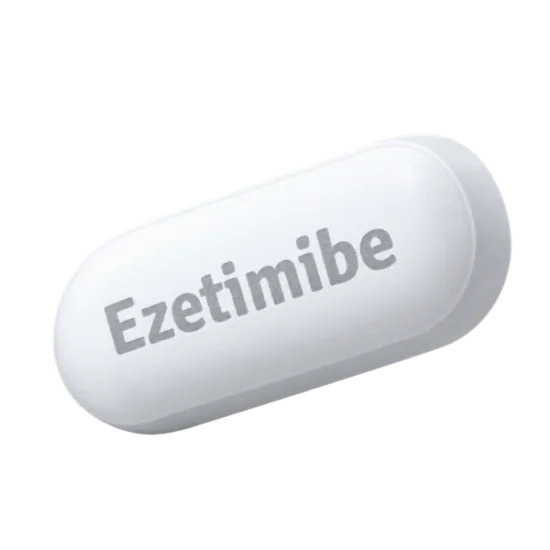
Ezetimibe reduces cholesterol absorption in the small intestine by targeting the NPC1L1 protein. NPC1L1 helps absorb both dietary cholesterol and cholesterol released into the intestine through bile. Ezetimibe acts on this pathway rather than on the enzyme responsible for hepatic cholesterol synthesis.

The liver responds by drawing more LDL particles from circulation. This lowers LDL-C without directly blocking cholesterol production inside the liver.

The medicine does not dissolve existing arterial plaque immediately. Its role is to reduce circulating LDL-C over time, helping reduce continued cholesterol deposition when treatment is taken consistently.

The European Medicines Agency describes ezetimibe as suitable for use alone in selected patients or with a statin when additional LDL-C reduction is required [1].

Common mistakes

Several practical errors can reduce the benefit of treatment:

  • Stopping the tablet because high cholesterol produces no symptoms.
  • Taking two tablets after a missed dose.
  • Taking ezetimibe and a bile acid sequestrant at the same time.
  • Adding a statin or fibrate without checking for interactions.
  • Assuming that a normal-feeling body means LDL-C has returned to a healthy range.
  • Ignoring new muscle weakness, dark urine, jaundice, or severe abdominal pain.
  • Expecting a single dose to produce a noticeable sensation.
Do not use a missed-dose correction as an opportunity to change the whole schedule. Resume the regular daily routine unless a prescriber gives different instructions.

Another common mistake is judging treatment only by total cholesterol. LDL-C, non-HDL cholesterol, triglycerides, HDL cholesterol, liver tests, and cardiovascular history may all influence the treatment decision.

Comparison

Statins reduce cholesterol synthesis in the liver by inhibiting HMG-CoA reductase. Ezetimibe works through intestinal absorption, so the two mechanisms can complement one another when LDL-C remains above the desired treatment range.

Repatha, whose active ingredient is evolocumab, is a monoclonal antibody that blocks PCSK9. This preserves LDL receptors on liver cells and can produce a large reduction in LDL-C. It is administered by injection rather than as a tablet and is generally reserved for selected patients with very high cardiovascular risk, familial hypercholesterolaemia, or inadequate response to other treatment.

Other treatment choices depend on the lipid pattern and clinical history. A person with high triglycerides may need a different approach from someone whose main abnormality is isolated LDL-C elevation.

What doctors say

In clinical practice, doctors usually assess ezetimibe by looking at the LDL-C response after treatment has had time to reach a stable effect. The tablet may be working even when the patient feels no different, because high cholesterol often causes no symptoms.

A physician may choose ezetimibe when a statin alone has not lowered LDL-C enough. Another common reason is the need for additional LDL-C reduction without increasing the statin dose. The choice depends on cardiovascular history, diabetes status, kidney function, liver tests, and previous adverse reactions.

Doctors also distinguish muscle soreness caused by exercise from treatment-related symptoms. A new pattern of weakness, cramps, or widespread muscle pain should be reported promptly, especially if ezetimibe is combined with simvastatin, rosuvastatin, or atorvastatin.

WHO cardiovascular prevention guidance supports reducing modifiable cardiovascular risk factors through lipid management, blood pressure control, physical activity, and tobacco avoidance. Ezetimibe fits within that wider risk-reduction plan rather than functioning as a stand-alone lifestyle replacement.

Common questions

What is the best time of day to take Ezetimibe?

Ezetimibe can be taken once daily at a time that supports regular use, with or without food. The EMA product information confirms that food does not require a specific meal-based dosing schedule. Guidance reviewed by NICE in 2023 also supports fitting daily lipid treatment into a routine that the patient can maintain consistently.

How soon does the effect of Ezetimibe become noticeable?

Ezetimibe usually has no immediate physical sensation because it lowers a laboratory marker rather than relieving pain or breathlessness. LDL-C reduction develops during the first weeks of treatment, and a lipid test is used to assess the response. The IMPROVE-IT evidence published in 2015 evaluated treatment through repeated clinical and laboratory follow-up, rather than through symptoms alone.

How long does a course of Ezetimibe last, and is long-term use acceptable?

Treatment commonly continues for as long as LDL-C reduction is clinically required. Ezetimibe may be used for long-term lipid management when the prescriber considers the balance of benefit and tolerability favourable. The European Medicines Agency's product information supports ongoing treatment with appropriate clinical review, while the 2022 RACING trial examined sustained combination treatment in cardiovascular disease.

What happens when Ezetimibe is stopped, and does it need tapering?

Ezetimibe does not usually require dose tapering before discontinuation. Once treatment stops, its cholesterol-lowering effect gradually wears off and LDL-C may rise again, especially if no replacement treatment is started. The HPRA product information dated 2024 supports reviewing the reason for stopping and arranging follow-up rather than making an abrupt unsupervised change.

Can Ezetimibe be used during pregnancy or breastfeeding?

Ezetimibe should not be used during pregnancy unless a specialist decides that treatment is necessary for an exceptional clinical reason. Breastfeeding also requires an individual assessment because the potential exposure of the infant must be considered. EMA product information current before 2026 advises clinicians to review pregnancy and breastfeeding status when selecting lipid-lowering therapy.

Do you offer anonymous delivery?

Your order will be securely packed and shipped within 24 hours. This is exactly what your package will look like (images of an actual item sent). It has the size and look of a regular private letter (24x11x0.7 cm) and its contents cannot be seen.

Comparison

How the medicines for Cholesterol Management compare

Sources

  1. European Medicines Agency (2024). Summary of Product Characteristics (SmPC) — Ezetimibe
  2. U.S. Food and Drug Administration (2022). Zetia (ezetimibe) Prescribing Information

How Buyers Rate Ezetimibe

Based on 5 reviews

Lee, 53 Verified
Rating: 5 out of 5

I took ezetimibe alongside my statin for about three months. My follow-up blood test showed a better LDL result, and I did not notice any new symptoms. Remembering the tablet with breakfast made it easier.

About three months 2 Nov 2026
Jack, 42 Verified
Rating: 3.5 out of 5

The first few weeks were straightforward. I had mild stomach discomfort after some doses, so I started taking it with food. That settled, but I still needed the blood test to know whether it was helping.

The first few weeks 7 Oct 2026
Ian, 51 Verified
Rating: 3 out of 5

My doctor added ezetimibe after my LDL stayed above target on a statin. The numbers improved at the next review, although I was disappointed that I could not feel any difference. The benefit was visible in the test rather than day to day.

20 Oct 2026
Michael R., 67 Verified
Rating: 2.5 out of 5

I used it with rosuvastatin and developed muscle aching in my thighs after several weeks. The symptoms were investigated and my treatment was changed. It was not something I would have ignored a second time.

Several weeks 13 Oct 2026
Daniel, 67 Verified
Rating: 4 out of 5

I had taken ezetimibe for several months without trouble. I missed doses during a holiday and my next cholesterol result was higher, so I went back to taking it at the same time every day.

Several months 27 Oct 2026
Get our free app Shop faster and track your orders Install