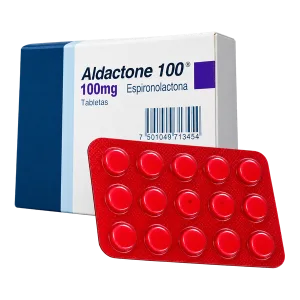
Aldactone was prescribed as part of my heart-failure treatment. I noticed less ankle swelling after several weeks, but the first few days brought more urination and mild dizziness when standing.
Several weeks 31 Oct 2026
Aldactone
Aldactone helps the kidneys remove excess sodium and water while limiting potassium loss. Its active ingredient, spironolactone, is used in adults with conditions such as heart failure, oedema…
Aldactone helps the kidneys remove excess sodium and water while limiting potassium loss. Its active ingredient, spironolactone, is used in adults with conditions such as heart failure, oedema, hypertension, and excess aldosterone.
Overview
Aldactone contains spironolactone, a potassium-sparing diuretic and aldosterone antagonist. Spironolactone is the generic name of the active pharmaceutical ingredient used in Aldactone.
Formulation
Aldactone contains spironolactone, a potassium-sparing diuretic and aldosterone antagonist. The dose is decided individually, taking age, other medicines, and health conditions into account.
Therapeutic indications
Aldactone has regulatory indications that relate to fluid retention, cardiovascular disease, and excess aldosterone. The US FDA prescribing information includes the following uses:
- Heart failure: Spironolactone can reduce aldosterone-related fluid retention and is used in selected patients with heart failure and reduced ejection fraction.
- Hypertension: Aldactone may be added when blood pressure remains above target despite other treatment.
- Oedema: It can help manage fluid accumulation associated with conditions such as cirrhosis or nephrotic syndrome.
- Primary hyperaldosteronism: It can be used diagnostically and therapeutically when the adrenal glands produce excessive aldosterone.
The clinical goal differs between indications. In heart failure, the medicine can reduce hormonal stress on the heart. In oedema, the aim is to remove retained fluid. In primary hyperaldosteronism, blocking aldosterone addresses the hormonal driver of sodium retention and potassium loss.
The FDA-approved uses do not mean every patient with swelling or high blood pressure is suitable for Aldactone. Potassium concentration and renal function can change the balance between benefit and risk.
Spironolactone may be considered for:
- Hormonal acne in some women.
- Androgenic alopecia when androgen sensitivity contributes to hair thinning.
- Hyperandrogenic features associated with polycystic ovary syndrome.
- The phrase polyendocrine metabolic ovarian syndrome (PMOS) is not a standard FDA-approved indication; recognised clinical terminology more often refers to polycystic ovary syndrome.
Response in these conditions is gradual. Dermatological benefits may take weeks or months, and treatment plans often include pregnancy precautions because spironolactone affects hormonal pathways.
Directions for use
- Dose: The amount is selected individually; an exact dose in mg is not specified here and depends on age, other medicines, and health conditions.
- Frequency: Take the tablet once daily or in divided doses only as prescribed; the appropriate frequency depends on the indication and individual treatment plan.
- Timing: Take by mouth at the prescribed time of day. The available information does not specify whether it should be taken before or after meals.
- Duration: Continue for the duration prescribed for the condition being treated; the exact treatment period is not specified here.
- Route: Take the tablet orally.
When not to use it
Aldactone should not be used in people with:
- Addison’s disease, because adrenal insufficiency can make the potassium-retaining effect hazardous.
- Existing hyperkalaemia.
- Severe kidney impairment or rapidly worsening renal function.
- Anuria, meaning the kidneys are producing little or no urine.
- A previous serious reaction to spironolactone or an excipient in the tablet.
Relevant examples of interactions include:
- ACE inhibitors such as lisinopril.
- Angiotensin receptor blockers such as losartan.
- Other potassium-sparing diuretics.
- Potassium supplements and potassium-containing salt substitutes.
- Non-steroidal anti-inflammatory drugs, including ibuprofen and high-dose aspirin.
- Trimethoprim-containing antibiotics.
- Digoxin, because changes in kidney function and electrolytes can affect treatment safety.
- Lithium, because diuretic-related changes can increase lithium exposure.
When this is not for you
Aldactone may not be suitable if you have high potassium, severe kidney problems, little or no urine production, Addison’s disease, or a serious previous reaction to spironolactone. Pregnancy and breastfeeding require an individual review. Tell the prescriber if you take medicines for blood pressure, potassium supplements, potassium-containing salt substitutes, ibuprofen, trimethoprim, digoxin, or lithium.
Unwanted effects
Aldactone can cause side effects through diuresis, blood-pressure reduction, hormonal activity, and potassium retention. The most clinically significant risk is hyperkalaemia, meaning an abnormally high potassium concentration in the blood.
Potential reactions include:
- Increased potassium, especially with kidney impairment or interacting medicines.
- Dizziness or light-headedness from reduced blood pressure or fluid volume.
- Headache.
- Nausea, diarrhoea, or stomach discomfort.
- Increased urination.
- Breast tenderness or enlargement.
- Gynecomastia in men.
- Menstrual irregularities or changes in sexual function.
- Fatigue or weakness.
Hyperkalaemia can be silent. Severe cases may cause muscle weakness, abnormal heart rhythms, palpitations, or collapse. Serum potassium and renal function are therefore checked when treatment begins, after dose changes, and at intervals selected by the prescriber.
Gynecomastia may develop after prolonged exposure and can persist after the medicine is stopped. The risk is related to hormonal effects and may increase with higher cumulative exposure. Eplerenone has greater receptor selectivity and may cause fewer endocrine effects, although it still requires potassium monitoring.
Dizziness is more likely during the first part of treatment, after a dose increase, or during vomiting, diarrhoea, fever, or hot weather. Rising slowly from a chair and maintaining the fluid intake advised for the underlying condition can reduce falls, but excessive drinking can be harmful in heart failure.
Alcohol may intensify dizziness, light-headedness, and low blood pressure because both alcohol and spironolactone can affect circulation and fluid balance. The NHS and HPRA safety information support caution, especially during treatment initiation or after a dose change. Alcohol can also worsen dehydration during vomiting, diarrhoea, or hot weather. A person with heart failure, liver disease, or frequent dizziness needs a more individual restriction plan. NHS safety information from 2023 also advises caution.

How it affects the body
Aldosterone is a hormone that signals the kidneys to retain sodium and water while excreting potassium. Spironolactone blocks aldosterone receptors in the distal nephron. This increases sodium and water excretion and reduces potassium loss compared with many other diuretics [1].
The medicine may lower fluid overload, reduce blood pressure, and decrease the workload placed on the heart. Its potassium-sparing action is useful in selected patients, yet it also creates a risk of hyperkalaemia when kidney function is reduced or interacting medicines are used.
Spironolactone also has anti-androgenic activity.
Common mistakes
Several everyday errors can reduce benefit or increase risk:
- Taking an unplanned extra tablet after missing a dose.
- Using potassium supplements without mentioning them.
- Replacing ordinary salt with potassium chloride.
- Taking regular ibuprofen for back pain or arthritis without reporting it.
- Stopping treatment during a short illness without receiving specific medical instructions.
- Assuming that stable symptoms mean potassium testing is no longer needed.
- Ignoring breast tenderness, menstrual changes, marked weakness, palpitations, or fainting.
- Measuring progress only by urine output rather than by swelling, breathlessness, blood pressure, and clinical tests.
- Taking the tablet at an inconsistent time, which can make increased urination inconvenient during work or sleep.
Comparison
Aldactone differs from loop diuretics, selective aldosterone antagonists, and standard blood-pressure medicines. The choice depends on the disease mechanism, kidney function, potassium level, and treatment response.
| Treatment category | Main pharmacological feature | Potassium consideration |
|---|---|---|
| Spironolactone | Blocks aldosterone and retains potassium | Hyperkalaemia risk |
| Eplerenone | More selective aldosterone-receptor blockade | Hyperkalaemia risk, fewer hormonal effects |
| Loop diuretic | Produces strong sodium and water excretion | Can lower potassium |
Furosemide, a loop diuretic, usually produces a stronger diuretic effect than spironolactone and may be chosen when rapid removal of excess fluid is required. It can lower potassium, while Aldactone can raise it. In some heart-failure regimens, the two mechanisms are combined under laboratory monitoring.
Eplerenone acts on the same hormonal pathway but is more selective than spironolactone. It may be considered when breast tenderness, gynecomastia, or menstrual effects become difficult to tolerate. Its potassium risk remains clinically relevant.
Lisinopril and losartan reduce blood pressure through different hormonal pathways. Combining them with spironolactone can be useful in selected cardiovascular conditions, but the combination increases the possibility of hyperkalaemia and kidney-function deterioration.
Aspirin and ibuprofen require separate consideration. NSAIDs may reduce the diuretic response and can impair kidney function, making potassium elevation more likely. The risk is higher in older adults, people with dehydration, and those with pre-existing kidney disease [2].
What doctors say
Doctors generally view spironolactone as a targeted treatment rather than a routine tablet for every type of swelling. Its strongest rationale appears when aldosterone activity, heart failure, resistant hypertension, or a specific oedematous condition contributes to the patient’s symptoms.
A physician will usually assess blood pressure, kidney function, and potassium before treatment. Follow-up testing becomes more urgent after a dose change, during an illness causing dehydration, or when another medicine affecting the kidneys is added.
Heart-failure guidance from NICE supports mineralocorticoid-receptor antagonist therapy for suitable patients with reduced ejection fraction, with renal function and potassium monitoring forming part of safe prescribing [3]. The response should be judged by symptoms, weight trends, blood pressure, laboratory results, and the underlying diagnosis rather than by urine volume alone.
One practical point often missed in consultations is that more urine does not always mean better treatment. Excessive diuresis can cause low blood pressure, kidney injury, dizziness, and falls.
Common questions
Can alcohol be used while taking Aldactone?
Alcohol may intensify dizziness, light-headedness, and low blood pressure because both alcohol and spironolactone can affect circulation and fluid balance. The NHS and HPRA safety information support caution, especially during treatment initiation or after a dose change. Alcohol can also worsen dehydration during vomiting, diarrhoea, or hot weather. A person with heart failure, liver disease, or frequent dizziness needs a more individual restriction plan. NHS safety information from 2023 also advises caution.
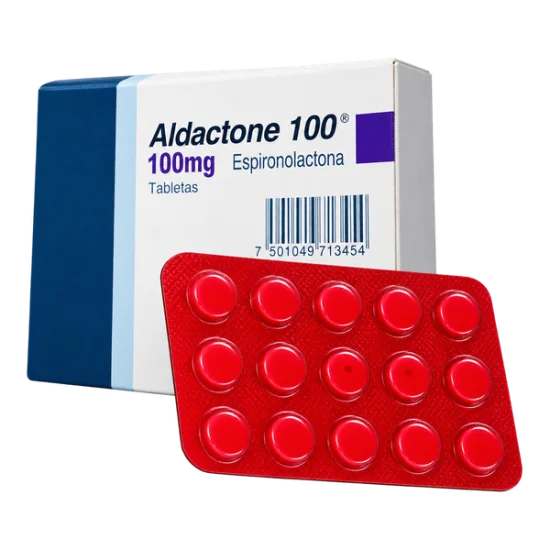
What happens after stopping Aldactone, and does it need tapering?
Stopping spironolactone can allow fluid retention, blood pressure, or aldosterone-related symptoms to return, depending on the condition being treated. The FDA prescribing information describes treatment plans that vary by indication, so stopping is not handled identically for every patient. Tapering is not automatically required for every person, but abrupt discontinuation can be unsafe when Aldactone controls heart-failure symptoms or significant oedema. The prescriber should set the stopping plan and decide whether potassium and kidney tests are needed afterwards. The FDA prescribing information cited here was published in 2023.
What should happen if the expected result does not appear?
A limited response may reflect the diagnosis, dose selection, salt intake, kidney function, interacting medicines, or another cause of the symptoms. NICE guidance for heart failure emphasises clinical review and monitoring rather than judging treatment only by how often a person urinates. Persistent swelling, breathlessness, high blood pressure, or acne despite treatment warrants reassessment of the treatment plan. Do not increase the dose independently, because potassium and kidney complications can develop before symptoms become obvious. NICE guidance cited here was published in 2018.
How long does a course last, and is long-term use acceptable?
The duration depends on whether Aldactone is treating heart failure, hypertension, oedema, primary hyperaldosteronism, or an off-label hormonal condition. The EMA product-information approach supports continued treatment when the clinical benefit remains favourable and laboratory monitoring remains acceptable. Some patients use spironolactone for months or years, while others need it only during a defined episode of fluid retention. Long-term treatment requires periodic review of kidney function, potassium, blood pressure, symptoms, and adverse effects. The EMA product information cited here was published in 2023.
What is the best time of day to take Aldactone?
The timing should fit the prescribed schedule and reduce disruption from increased urination. Earlier dosing is often practical because taking a diuretic late in the evening may interrupt sleep. The FDA label describes once-daily and divided regimens for different indications, so the correct timing depends on the individual prescription. Taking the tablet at a consistent time can make missed doses less likely and helps relate laboratory results to the treatment schedule. The FDA label cited here was published in 2023.
Can Aldactone affect driving, concentration, or machinery work?
Aldactone can cause dizziness, weakness, headache, or low blood pressure, especially after starting treatment, increasing the dose, or becoming dehydrated. The HPRA advises caution with activities requiring alertness until the person knows how the medicine affects them. Concentration may also suffer if hyperkalaemia, low sodium, or excessive fluid loss develops. Driving and machinery work should be avoided during significant dizziness, faintness, visual disturbance, or unusual weakness. HPRA safety information cited here was published in 2023.
Do you offer anonymous delivery?
Your order will be securely packed and shipped within 24 hours. This is exactly what your package will look like (images of an actual item sent). It has the size and look of a regular private letter (24x11x0.7 cm) and its contents cannot be seen.
Comparison
Aldactone Current
Azor
Cozaar
Diltiazem
Diovan
Sources
- U.S. Food and Drug Administration (2023). Aldactone (spironolactone) Tablets Prescribing Information
- U.S. Food and Drug Administration (2020). NSAIDs: Drug Safety Communication — Nonsteroidal Anti-Inflammatory Drugs
- National Institute for Health and Care Excellence (2018). Chronic heart failure in adults: diagnosis and management, NICE guideline NG106
How Buyers Rate Aldactone
Based on 4 reviews
My blood pressure improved gradually. I had to arrange blood tests after starting and after a change in treatment, which was inconvenient, but the monitoring helped identify that my potassium needed attention.
4 Nov 2026I used spironolactone for hormonal acne under specialist supervision. The skin changes were slow, and breast tenderness made the treatment difficult to continue, even though the acne had started improving.
7 Oct 2026The tablets fitted into my routine when taken earlier in the day. I missed one dose during a busy shift and nearly doubled the next one, so I changed my routine and kept the timing consistent.
11 Oct 2026