Andrew, 35 - no city, took valsartan at the prescribed dose for the prescribed duration for newly diagnosed hypertension. He noticed mild dizziness during the first few days when standing quickly, but this settled after his routine became consistent. He found home readings more useful than judging the medicine by how he felt.
4 Nov 2026
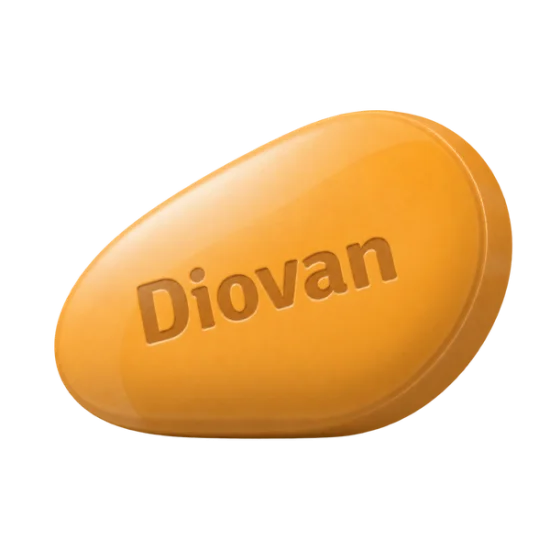
Diovan
Adults diagnosed with hypertension, selected heart failure, or certain post‑myocardial‑infarction risks may be prescribed Diovan. Diovan contains valsartan, an angiotensin II receptor blocker that…
Adults diagnosed with hypertension, selected heart failure, or certain post‑myocardial‑infarction risks may be prescribed Diovan. Diovan contains valsartan, an angiotensin II receptor blocker that lowers blood pressure by preventing angiotensin II from tightening blood vessels. It can also reduce the strain placed on the heart and kidneys when used in the prescribed regimen.
Overview
Diovan contains valsartan. Valsartan belongs to the angiotensin II receptor antagonist class, also called angiotensin receptor blockers or ARBs. It is taken as an oral tablet and works through the renin–angiotensin system, which regulates blood pressure, fluid balance, and vascular tone.
Formulation
Diovan contains valsartan. Valsartan belongs to the angiotensin II receptor antagonist class, also called angiotensin receptor blockers or ARBs. It is taken as an oral tablet and works through the renin–angiotensin system, which regulates blood pressure, fluid balance, and vascular tone.
Key facts
- Active ingredient: valsartan
- Drug class: angiotensin II receptor antagonist
- Main clinical uses: hypertension, selected cases of heart failure, and cardiovascular risk reduction after myocardial infarction when prescribed for that purpose
- Route: oral tablets
- Treatment plan: individually selected according to age, blood pressure, kidney function, potassium level, other medicines, and the diagnosed condition
Hypertension often has no noticeable symptoms, so a person may feel no different after taking a dose even though the medicine is lowering vascular pressure. The clinical aim is sustained blood-pressure control and reduced cardiovascular strain, not an immediate sensation.
Diovan may also be prescribed in heart failure, where reducing angiotensin II activity can lower vascular resistance and decrease sodium and water retention. The exact indication depends on the prescriber’s assessment and the authorised product information.
Therapeutic indications
Diovan may also be prescribed in heart failure, where reducing angiotensin II activity can lower vascular resistance and decrease sodium and water retention. The exact indication depends on the prescriber’s assessment and the authorised product information.
Directions for use
The dose is decided individually, taking age, other medicines, and health conditions into account. Diovan is taken by mouth according to the prescribed schedule. Consistency matters because valsartan controls blood pressure over time rather than acting as a rescue treatment for a sudden reading.
Practical administration principles include:
- take the tablet at the prescribed time each day;
- swallow it with water unless a clinician has given different instructions;
- continue the prescribed regimen even when blood pressure improves;
- take a missed dose when remembered unless the next dose is near;
- skip a missed dose that is close to the next scheduled dose;
- never double the next dose to compensate.
Clinicians may check blood pressure, serum creatinine, estimated kidney function, and potassium after treatment starts, after a dose change, or when another renin–angiotensin medicine is added. Monitoring becomes more important with kidney disease, heart failure, dehydration, diabetes, or potassium-raising medicines.
Vomiting, diarrhoea, fever, heavy sweating, or very low fluid intake can increase dizziness and place additional stress on kidney function. A temporary treatment plan may be needed during significant illness.
Liquid valsartan formulations may be used when swallowing tablets is difficult or when a prescriber selects a liquid dosage form for an age-appropriate regimen. They require a concentration-specific measurement and should not be treated as interchangeable with tablets by volume alone.
An oral syringe is the appropriate measuring device for a prescribed liquid dose. Kitchen teaspoons vary in size and can cause underdosing or overdosing. The liquid concentration, storage requirements, and beyond-use period must come from the specific product information supplied with that formulation.
Do not convert a tablet dose into a liquid volume without the exact prescribed concentration. Do not switch between tablets and liquid without confirmation from the prescribing team.

When not to use it
The following situations require direct prescriber review before treatment:
- pregnancy, planned pregnancy, or possible pregnancy;
- previous serious allergy to valsartan or an excipient;
- significant kidney disease or narrowing of the renal arteries;
- severe liver disease;
- recurrent dehydration or a history of symptomatic low blood pressure;
- raised potassium or a condition that predisposes to hyperkalaemia;
- current treatment with aliskiren, especially with diabetes or impaired kidney function;
- concurrent use of several renin–angiotensin system medicines.
Valsartan can affect kidney filtration, especially when renal blood flow is already reduced or the person is dehydrated. It can also increase potassium when combined with potassium-sparing diuretics, potassium supplements, or medicines that reduce potassium excretion.
Medicines that act on the renin–angiotensin system can harm fetal kidney development, especially later in pregnancy.
When this is not for you
Diovan is not suitable for everyone. NOT for you if pregnancy, significant kidney disease, or raised potassium has not been reviewed by a prescriber.
Unwanted effects
Valsartan can cause dizziness, headache, fatigue, low blood pressure, increased potassium, or changes in kidney function. Many people tolerate ARBs without troublesome symptoms, yet a lack of symptoms does not remove the need for blood-pressure and laboratory monitoring.
| Usually reported effects | Symptoms requiring prompt medical assessment |
|---|---|
| Dizziness, headache, fatigue | Fainting, severe weakness, or confusion |
| Light-headedness when standing | Facial, lip, tongue, or throat swelling |
| Tiredness during treatment adjustment | Irregular heartbeat or marked muscle weakness |
| Mild gastrointestinal discomfort | Very little urine or a sudden major reduction in urine |
Dizziness may be most noticeable when standing quickly, after exercise, or during an illness that causes fluid loss. Driving, cycling, or operating machinery should wait until the individual response is clear.
Hyperkalaemia means an abnormally high potassium level in the blood. It may produce weakness, palpitations, or an irregular heartbeat, although some people have no early symptoms. Kidney-function changes can also occur without obvious warning.
Facial or throat swelling needs urgent medical assessment because it may represent angioedema. Severe fainting, marked reduction in urine, or a fast or irregular heartbeat also requires prompt attention.
How it affects the body
Valsartan blocks angiotensin II at the AT1 receptor. The AT1 receptor is a docking site on cells in blood vessels, the adrenal glands, and other tissues. When angiotensin II stimulates this receptor, vessels constrict and aldosterone release increases.
Vasoconstriction means narrowing of the blood vessels. Aldosterone is a hormone that encourages the kidneys to retain sodium and water. By reducing AT1 stimulation, valsartan promotes less vessel tightening and less aldosterone-related fluid retention.
This action can produce:
- lower resistance within the arteries;
- reduced blood pressure;
- less sodium and water retention;
- reduced pressure against which the heart must pump.
Valsartan acts on the renin–angiotensin system without inhibiting bradykinin breakdown. Bradykinin is one reason ACE inhibitors can cause a persistent dry cough in some people. ARBs such as valsartan are associated with a lower likelihood of that cough, although they still require monitoring of kidney function and potassium.
The FDA prescribing information describes valsartan’s AT1-receptor blockade and its use in hypertension, heart failure, and selected post-infarction treatment [1].
Common mistakes
Several practical errors can reduce the benefit of valsartan or increase adverse effects:
- stopping after one normal blood-pressure reading;
- doubling the next dose after a missed tablet;
- taking potassium supplements without review;
- using potassium-containing salt substitutes;
- taking ibuprofen or naproxen repeatedly without mentioning it;
- continuing the usual dose during severe vomiting or diarrhoea without seeking medication advice;
- combining Diovan with an ACE inhibitor or aliskiren independently;
- assuming dizziness always means the medicine must be stopped;
- changing from a tablet to a liquid by guessing the volume.
Comparison
The choice between valsartan, another ARB, an ACE inhibitor, or a different class depends on the diagnosis, kidney function, potassium, previous adverse effects, and other cardiovascular needs.
| Class | Examples | Selection considerations |
|---|---|---|
| ARBs | Valsartan, losartan, irbesartan, eprosartan, olmesartan, telmisartan, candesartan | Similar AT1-receptor approach; kidney and potassium monitoring remain relevant |
| ACE inhibitors | Ramipril, lisinopril, enalapril, captopril | Can cause dry cough through bradykinin-related pathways |
| Beta blockers | Metoprolol and related medicines | Used for selected cardiac indications; they do not replace ARBs in every condition |
ACE inhibitors and ARBs both influence the renin–angiotensin system, but they do so at different points. ARBs block the AT1 receptor, while ACE inhibitors reduce formation of angiotensin II and also affect bradykinin metabolism.
A person who develops an ACE-inhibitor cough may be considered for an ARB, yet switching is not automatic. Dose equivalence cannot be assumed, and the new medicine still requires appropriate monitoring.
Diovan is a brand name. Valsartan is the active ingredient and the generic name used for the substance. Valsartan monotherapy means treatment with valsartan alone rather than with hydrochlorothiazide or another active ingredient.
| Diovan terminology | Valsartan terminology | Practical meaning |
|---|---|---|
| Brand name | Generic or active-ingredient name | Both identify valsartan-based treatment |
| Product-specific tablet | Generic valsartan tablet or capsule | Strength, formulation, and excipients may differ |
| Authorised product presentation | Generic presentation | Substitution depends on the prescribed product and local pharmacy rules |
Products containing the same active ingredient may differ in inactive ingredients, tablet design, authorised indications, or release characteristics. A change in strength or formulation should be confirmed before the next dose, especially in heart failure or kidney disease.
What doctors say
In clinical practice, prescribers often assess three linked outcomes after starting valsartan: blood-pressure response, kidney function, and potassium. A modest early creatinine change may be monitored in context, while a substantial change, severe dizziness, or very low urine output calls for prompt assessment.
Doctors also look at the reason for treatment. A person taking valsartan for hypertension may need a different monitoring plan from someone taking it for heart failure or after myocardial infarction. The same active ingredient can serve different therapeutic goals.
Valsartan is useful when an ARB is preferred, including for some people who developed a persistent dry cough with an ACE inhibitor. It still requires care with dehydration, kidney disease, potassium-raising medicines, and dual renin–angiotensin treatment. NICE guidance places ARBs within evidence-based blood-pressure treatment pathways [2].
Common questions
How does Diovan differ from the closest alternative by mechanism?
Diovan contains valsartan, which blocks angiotensin II at the AT1 receptor. ACE inhibitors act earlier in the renin–angiotensin system and can increase bradykinin-related cough. NICE guidance from 2023 recognises ARBs as an option when an ACE inhibitor is unsuitable or poorly tolerated. Valsartan still carries kidney-function and potassium-monitoring requirements.
What should be discussed with a doctor before starting Diovan?
Tell the prescriber about pregnancy, kidney disease, liver disease, low blood pressure, high potassium, heart failure, dehydration, and previous swelling reactions. Provide the full list of prescriptions, painkillers, supplements, and salt substitutes. The FDA prescribing information from 2022 supports reviewing interacting medicines before treatment begins. This is especially important when aliskiren, an ACE inhibitor, a potassium-sparing diuretic, or potassium supplements are involved.
Can a Diovan tablet be split, crushed, or chewed?
Do not split, crush, or chew the tablet unless the specific product and prescriber’s instructions allow it. Tablet design can affect dose accuracy and swallowing, and a damaged tablet may be unsuitable for the intended administration method. The FDA prescribing information from 2022 should guide formulation-specific handling. A liquid valsartan product requires its own concentration and measuring device rather than an improvised tablet conversion.
Which diet, exercise, or habits help or hinder the result?
Regular activity, a lower-salt eating pattern, sensible alcohol intake, and stable hydration can support blood-pressure control. Excess alcohol may worsen dizziness, while dehydration from illness, heat, or strenuous exercise can increase low-pressure and kidney risks. WHO hypertension guidance from 2021 supports lifestyle measures alongside prescribed treatment. Avoid potassium-containing salt substitutes unless the treatment team has confirmed that they are suitable.
Can Diovan be taken with food or on an empty stomach?
Valsartan tablets may generally be taken with or without food, but taking them at a consistent time helps maintain a predictable routine. Food can affect exposure to valsartan, so the same relationship with meals should be maintained unless the prescriber changes the instructions. The FDA prescribing information from 2022 remains the relevant reference for product-specific administration. Do not alter meal timing to compensate for a missed dose.
How long does one dose of Diovan keep working?
Valsartan is intended for sustained blood-pressure control across the prescribed dosing interval rather than rapid relief of a single high reading. Blood-pressure improvement may begin during the early treatment period, while the full clinical response can take longer as the regimen is adjusted. The FDA prescribing information from 2022 describes valsartan’s pharmacological action within the renin–angiotensin system. Do not take extra tablets because a home reading remains high unless a prescriber has provided that plan.
Do you offer anonymous delivery?
Your order will be securely packed and shipped within 24 hours. This is exactly what your package will look like (images of an actual item sent). It has the size and look of a regular private letter (24x11x0.7 cm) and its contents cannot be seen.
Comparison
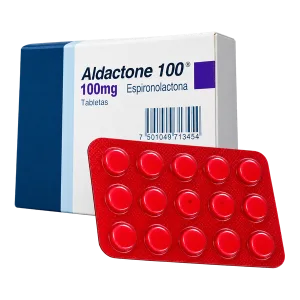
Aldactone
Azor
Cozaar
Diltiazem
Diovan Current
Sources
- U.S. Food and Drug Administration (2022). Diovan (valsartan) Prescribing Information.
- National Institute for Health and Care Excellence (2023). Hypertension in adults: diagnosis and management, NICE guideline NG136.
How Buyers Rate Diovan
Based on 4 reviews
Stuart, 48 - no city, took valsartan at the prescribed dose for the prescribed duration after previously experiencing a troublesome dry cough with an ACE inhibitor. After changing treatment under medical supervision, the cough eased over several weeks. He still needed repeat blood tests because potassium and kidney function remained part of the monitoring plan.
13 Oct 2026Thomas, 42 - no city, took valsartan at the prescribed dose for the prescribed duration, but missed a tablet during a busy workday and took two doses together the next morning. He became light-headed and contacted his treatment team. The episode taught him to follow the missed-dose instruction rather than trying to compensate.
24 Oct 2026Richard, 53 - no city, used valsartan at the prescribed dose for the prescribed duration alongside other heart medicines. His blood pressure improved, but diarrhoea during an illness made him unusually weak and dizzy. A medication review helped clarify how dehydration can change the risk profile.
7 Oct 2026