I used Amaryl for four months alongside changes to breakfast and evening meals. My readings became more predictable after the first few weeks, but I had one shaky morning after missing breakfast, so I became stricter about eating on time.
Four months 7 Oct 2026
Amaryl
Adults with type 2 diabetes mellitus who need additional glucose lowering may be prescribed Amaryl tablets. Amaryl contains glimepiride, a sulfonylurea that encourages the pancreas to release insulin…
Adults with type 2 diabetes mellitus who need additional glucose lowering may be prescribed Amaryl tablets. Amaryl contains glimepiride, a sulfonylurea that encourages the pancreas to release insulin when blood glucose is elevated. Used alongside an individualised eating and activity plan, it can help improve day-to-day glycaemic control.
Overview
Amaryl is an oral glucose-lowering treatment for adults with type 2 diabetes mellitus. Its active ingredient, glimepiride, belongs to the sulfonylurea class and is used when the pancreas can still produce insulin but needs stimulation to release more of it.
Formulation
Amaryl tablets contain glimepiride as the active ingredient. Glimepiride belongs to the sulfonylurea class of oral glucose-lowering medicines used in adults with type 2 diabetes mellitus.
Therapeutic indications
Amaryl does not replace balanced meals or physical activity. Food choices, alcohol intake, illness, sleep disruption, and changes in exercise can all alter glucose readings and the effect felt from a usual dose.
Directions for use
Amaryl tablets are taken by mouth. Dosing differs between strengths and between users, so there is no single amount that suits everyone. Prescribers adjust treatment using glucose results, HbA1c, kidney function, age, eating pattern, and other glucose-lowering medicines.
A practical routine usually includes:
- Take the prescribed tablet once daily shortly before, or with, the first substantial meal.
- Swallow the tablet whole with water.
- Keep meal timing consistent from one day to the next.
- Record unusual low-glucose symptoms and glucose readings where monitoring has been advised.
- Do not take an extra tablet to compensate for a missed dose.
If a dose is missed, take the next scheduled dose with the next main meal. Taking two doses together can cause a dangerous fall in blood glucose. The HPRA Summary of Product Characteristics for glimepiride supports individual dose adjustment and careful monitoring during treatment. [1]
When not to use it
- Diabetic ketoacidosis, with or without coma
- Type 1 diabetes requiring insulin treatment
- Severe kidney or liver impairment
- Pregnancy or breastfeeding, unless a diabetes specialist has made a specific plan
- Repeated unexplained hypoglycaemia
- Inability to recognise symptoms of low blood glucose
- A history of severe allergic reaction to sulfonylurea medicines
When this is not for you
Amaryl is not suitable for every person with high blood glucose. This is NOT for you if you have type 1 diabetes, diabetic ketoacidosis, or a known allergy to glimepiride, other sulfonylureas, or sulfonamides.
Older adults may experience low glucose with less obvious warning signs. Reduced appetite, acute infection, vomiting, diarrhoea, or an abrupt increase in exercise can also make a previously tolerated regimen too strong.
Unwanted effects
The most clinically significant adverse reaction with Amaryl is hypoglycaemia. It may appear suddenly, and early symptoms can be easy to dismiss as hunger, stress, or fatigue. Mild episodes may involve sweating, tremor, palpitations, hunger, headache, irritability, blurred vision, dizziness, or difficulty concentrating.
Other reported effects include:
- Dizziness or headache
- Nausea, abdominal discomfort, or a feeling of weakness
- Asthenia, meaning unusual tiredness or lack of energy
- Temporary visual disturbance as glucose levels change
- Skin rash, itching, or sensitivity reactions
Severe hypoglycaemia can cause confusion, slurred speech, marked drowsiness, seizures, or loss of consciousness. This requires urgent medical attention. The FDA lists hypoglycaemia among the most important adverse reactions associated with glimepiride therapy. [2]
Alcohol can make hypoglycaemia harder to predict. It may also mask early warning signs, which is why drinking without food is a poor fit with glimepiride treatment.

How it affects the body
Glimepiride belongs to the sulfonylurea class and acts on pancreatic beta cells. It stimulates these cells to release insulin when blood glucose is elevated, increasing insulin availability to help lower blood glucose.
Common mistakes
The mistakes that cause problems with Amaryl are usually ordinary routine changes, not dramatic errors.
- Taking the tablet and then postponing the first meal.
- Assuming a low-glucose episode is simply tiredness and continuing to drive or use machinery.
- Doubling the next dose after forgetting one.
- Starting a strict low-calorie diet without reviewing diabetes treatment.
- Increasing exercise sharply without planning meals or glucose checks.
- Drinking alcohol without eating.
- Stopping the tablets after a few improved readings, then discovering that glucose rises again.
One detail patients often miss is that beta-blockers can make a low glucose episode feel less obvious. Sweating, confusion, and sudden weakness may still occur even if the usual racing heartbeat does not.
Comparison
Amaryl is one option within a wider type 2 diabetes treatment plan. The closest pharmacological alternatives are other sulfonylureas, which also stimulate insulin secretion. Metformin works differently by reducing glucose production in the liver and improving insulin sensitivity.
| Treatment approach | Main mechanism | Key practical difference |
|---|---|---|
| Glimepiride in Amaryl | Stimulates pancreatic insulin release | Can lower glucose well, with a risk of hypoglycaemia |
| Other sulfonylureas | Stimulate pancreatic insulin release | Similar low-glucose risk; onset and dose plans differ |
| Metformin | Reduces liver glucose output and improves insulin sensitivity | Usually has less hypoglycaemia risk when used alone |
NICE guidance for type 2 diabetes management supports selecting treatment according to HbA1c, cardiovascular and kidney status, weight goals, tolerability, hypoglycaemia risk, and the person’s daily routine. [3] A switch between glucose-lowering treatments is a clinical decision, not a like-for-like tablet swap.
What doctors say
Doctors usually focus on two expectations with Amaryl: regular meals and reliable glucose monitoring. The treatment can be useful where insulin secretion needs support, yet it demands attention to hypoglycaemia because the insulin response is not fully dependent on the size of the next meal.
In clinical practice, a low HbA1c result is not automatically a success if it has been achieved through frequent lows. Recurrent sweating, night waking, vivid dreams, unexplained morning headaches, or episodes of irritability can point to glucose running too low.
Kidney function matters. As kidney function declines, the consequences of low blood glucose can last longer and become harder to correct. A review of diabetes treatment also commonly includes blood pressure medicines, pain relief, corticosteroids, and any recent change in eating habits. Clinicians also review recent glucose readings and meal patterns. This review can identify whether the regimen remains appropriate.
Common questions
How does Amaryl differ from other sulfonylureas?
Amaryl contains glimepiride, while other sulfonylureas use different active substances that also stimulate insulin release from pancreatic beta cells. The central benefit and the principal risk are similar: lower blood glucose with a possibility of hypoglycaemia. The FDA’s 2023 prescribing information describes glimepiride as a sulfonylurea used with diet and exercise in adults with type 2 diabetes. A prescriber chooses between agents based on glucose patterns, kidney function, dose schedule, and prior low-glucose episodes.
Can Amaryl be used by people under 18?
Amaryl is intended for adults with type 2 diabetes mellitus. Diabetes in children and adolescents needs specialist assessment because type 1 diabetes, monogenic diabetes, and insulin resistance syndromes may require very different treatment plans. The HPRA product information available in 2024 focuses on adult use of glimepiride. A young person with raised glucose should have their diabetes type confirmed before an oral sulfonylurea is considered.
Which diet, exercise, and habits support treatment with Amaryl?
Regular meals with fibre-rich carbohydrates, vegetables, protein, and measured portions help make glucose patterns easier to manage. Exercise supports insulin sensitivity, though a sudden increase in activity can raise the risk of hypoglycaemia when using glimepiride. NICE guidance from 2022 places nutrition, activity, weight management, sleep, and smoking cessation within routine type 2 diabetes care. Alcohol without food can destabilise glucose control and should be avoided.
What happens if Amaryl is stopped, and does it need tapering?
Stopping glimepiride can allow blood glucose to rise because pancreatic insulin stimulation is removed. A gradual taper is not usually required for withdrawal symptoms, but treatment changes should be planned around glucose monitoring and the replacement strategy. The EMA's 2018 diabetes guideline stresses maintaining glycaemic control throughout treatment adjustments. Do not stop Amaryl simply because a few readings have improved; those readings may reflect the treatment working.
What should be discussed with a doctor before starting Amaryl?
Discuss past low-glucose episodes, kidney or liver disease, allergies to sulfonylureas or sulfonamides, pregnancy plans, and breastfeeding. Bring a full list of prescribed medicines, non-prescription medicines, and supplements because corticosteroids, thiazides, salicylates, colesevelam, and several other agents can affect glucose control. The WHO diabetes classification published in 2019 also reinforces the value of confirming diabetes type before selecting treatment. Explain your normal meal pattern, shift work, driving duties, and usual activity level, since these factors affect hypoglycaemia risk.
Do you offer anonymous delivery?
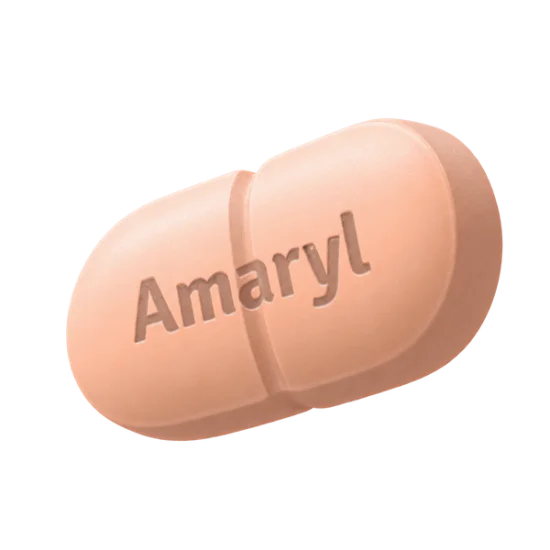
Your order will be securely packed and shipped within 24 hours. This is exactly what your package will look like (images of an actual item sent). It has the size and look of a regular private letter (24x11x0.7 cm) and its contents cannot be seen.
Comparison
Actos
Amaryl Current
Diabecon
Forxiga
Glyxambi
Invokana
Sources
- HPRA (2024). Summary of Product Characteristics (SmPC) — Glimepiride.
- FDA (2023). Amaryl (glimepiride) Prescribing Information: Adverse Reactions and Hypoglycaemia.
- NICE (2022). Type 2 Diabetes in Adults: Management (NG28).
How Buyers Rate Amaryl
Based on 4 reviews
I had been taking the tablets with my first proper meal each day. I noticed mild nausea at the start, which settled after about ten days. The routine worked better when I stopped skipping lunch during busy workdays.
19 Oct 2026My glucose improved over three months, and I felt less thirsty than before. I did have headaches twice when I had eaten very little, so I started carrying glucose tablets in my bag.
Three months 31 Oct 2026The medicine helped my readings, but the first month took adjustment. I had dizziness after an unusually long walk one afternoon and realised I had not planned a snack or checked my glucose beforehand.
The first month 5 Nov 2026