Therapeutic indications
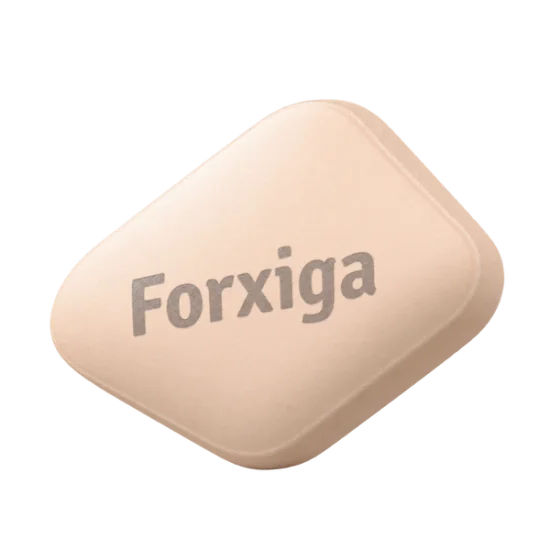
Forxiga is used as part of a treatment plan for type 2 diabetes, symptomatic chronic heart failure, and chronic kidney disease. Its role is broader than glucose management alone. EMA product information describes cardiorenal benefits in appropriate adults, including people treated for heart failure or chronic kidney disease who do not have diabetes [1].
Type 2 diabetes management
In type 2 diabetes, Forxiga lowers HbA1c, the blood test that reflects average glucose levels over roughly three months. It can also lead to modest weight reduction and lower blood pressure because glucose and sodium leave the body through the urine.
The medicine does not stimulate insulin release. This means its risk of low blood glucose is low when used alone, though hypoglycaemia can occur when it is combined with insulin or a sulfonylurea.
Heart and kidney protection
For people with heart failure, dapagliflozin reduces the chance of worsening symptoms that require hospital treatment. It can be used across a broad range of heart-failure patients, including those with reduced or preserved ejection fraction.
Chronic kidney disease involves gradual loss of kidney filtering capacity. Dapagliflozin lowers pressure inside the kidney’s filtering units, called glomeruli, and can slow decline in kidney function in suitable patients.
A new increase in urination is common early in treatment. It often settles into a manageable pattern, but dehydration is more likely during vomiting,
diarrhoea, fever, or very hot weather.
Directions for use
Forxiga is taken by mouth as a tablet. The dose is decided individually, taking age, other medicines and health conditions into account. It may be taken with or without food and is usually incorporated into a regular daily routine.
- Take the prescribed tablet at the same time each day.
- Swallow the tablet whole with water.
- Choose morning dosing if increased urination would disturb sleep.
- If a dose is missed, take it when remembered unless the next scheduled dose is close.
- Do not take two doses together to make up for a missed tablet.
- Do not stop treatment during illness without considering the specific sick-day advice from the prescriber.
Renal function should be assessed before treatment and monitored when clinically appropriate. Blood pressure, fluid balance, glucose control, and concurrent diuretic treatment may all influence the chosen regimen.
Patients taking a water tablet for swelling sometimes notice dizziness when standing after starting dapagliflozin. Rising slowly from bed or a chair and reporting persistent light-headedness early can prevent falls.
When not to use it
Extra caution is needed with insulin, sulfonylureas, loop diuretics, blood-pressure medicines, and medicines that can affect kidney function. Insulin or sulfonylurea doses may need review because the combined treatment can increase hypoglycaemia risk.
The HPRA summary of product characteristics lists genital infections, volume depletion, ketoacidosis, and serious urinary infections among the key safety considerations for dapagliflozin treatment [3].
Unwanted effects
Most people tolerate Forxiga well. The effects most likely to be noticed are increased urination, thirst, genital fungal infections, urinary tract infections, and mild dizziness related to fluid loss.
Genital thrush can affect both men and women. Recurrent episodes deserve medical review because diabetes control, hydration, and personal susceptibility may all contribute. Urinary tract infection symptoms include burning when passing urine, fever, pelvic discomfort, or flank pain.
Rare complications need faster action. Diabetic ketoacidosis can occur even when glucose is not very high. Symptoms include nausea, vomiting, abdominal pain, unusual tiredness, rapid breathing, confusion, or a sweet smell on the breath. Fournier’s gangrene is extremely rare, yet severe pain, redness, swelling, or fever affecting the genital or perineal area needs urgent assessment.
How it affects the body
Dapagliflozin acts in the proximal renal tubules, the early part of each nephron where the kidneys reclaim nutrients and electrolytes. It blocks SGLT2 transporters, so less glucose returns to the bloodstream and more is passed in urine.
This creates glucosuria, meaning glucose in the urine. It also causes natriuresis, meaning extra sodium excretion. The combined effect can reduce circulating fluid volume and blood pressure, which helps explain its benefit in heart failure.
The mechanism differs from insulin, metformin, and sulfonylureas. Forxiga works through the kidneys rather than by forcing the pancreas to release more insulin. Kidney function still matters because the glucose-lowering effect becomes weaker as filtration declines, even though heart and kidney benefits may remain relevant in selected patients.
The European Society of Cardiology incorporated SGLT2 inhibitors into heart-failure treatment pathways because their benefits extend beyond blood-glucose reduction [2].
Genital thrush is linked to glucose in the urine, not poor hygiene. Prompt treatment at the first sign of itching, soreness, discharge, or redness usually prevents a mild episode from becoming more troublesome.
Common mistakes
Several avoidable errors can reduce the benefit of Forxiga or increase side effects.
- Stopping the tablets after a short period because urination increased.
- Drinking too little fluid to avoid extra toilet visits.
- Continuing treatment through prolonged vomiting or severe diarrhoea without seeking individual sick-day advice.
- Ignoring genital itching or urinary discomfort until infection symptoms become severe.
- Assuming normal blood glucose excludes ketoacidosis during acute illness.
- Taking a missed tablet together with the next scheduled tablet.
- Forgetting to mention insulin, sulfonylureas, diuretics, or planned surgery when treatment is reviewed.
One detail patients often miss is that low-carbohydrate diets, fasting, heavy alcohol intake, and acute illness can all increase ketoacidosis risk in susceptible people taking an SGLT2 inhibitor. This risk is uncommon, yet it deserves direct attention because the first signs can resemble a stomach virus.
Comparison
Forxiga belongs to the SGLT2 inhibitor group. The closest alternative is another SGLT2 inhibitor, such as empagliflozin, which works through the same kidney pathway. Metformin acts differently by reducing glucose production in the liver and improving insulin sensitivity.
| Treatment approach |
Main mechanism |
Typical clinical role |
| Dapagliflozin |
Increases urinary glucose and sodium excretion through SGLT2 inhibition |
Type 2 diabetes, heart failure, chronic kidney disease |
| Empagliflozin |
SGLT2 inhibition in the proximal renal tubule |
Type 2 diabetes and cardiorenal risk reduction |
| Metformin |
Reduces hepatic glucose production and improves insulin sensitivity |
Usual foundation treatment for type 2 diabetes when suitable |
Metformin remains a common starting treatment for type 2 diabetes, while SGLT2 inhibitors are often selected earlier when heart failure, chronic kidney disease, or elevated cardiovascular risk is present. Dapagliflozin may be used with metformin, insulin, GLP-1 receptor agonists, or other glucose-lowering treatments where clinically appropriate.
The choice is based on kidney function, heart status, hypoglycaemia risk, body weight goals, concurrent medicines, and prior treatment response. NICE guidance for type 2 diabetes supports tailoring treatment to cardiovascular and renal risk rather than relying only on HbA1c [4].
What doctors say
In clinical practice, doctors often value Forxiga because one treatment can address several connected risks: raised glucose, fluid overload, heart-failure deterioration, and kidney-function decline. The expected effect depends on why it was prescribed. A person taking it for diabetes may focus on glucose readings, while someone with heart failure may first notice easier breathing or less swelling.
Doctors also watch for the less obvious problems. Reduced appetite during a stomach bug, a sudden drop in fluid intake, or a new diuretic can change the balance between benefit and dehydration. Kidney blood tests after starting or changing treatment can show a small initial fall in filtration, which is often a haemodynamic effect rather than progressive kidney injury.
The World Health Organization recognises diabetes and cardiovascular disease as linked non-communicable conditions requiring long-term risk reduction, not glucose management in isolation [5].