After several weeks, my glucose readings had improved and I noticed less swelling in my ankles. I also needed the toilet more often in the morning, which was manageable once I stopped taking the tablet late in the day.
Several weeks 2 Nov 2026
Invokana
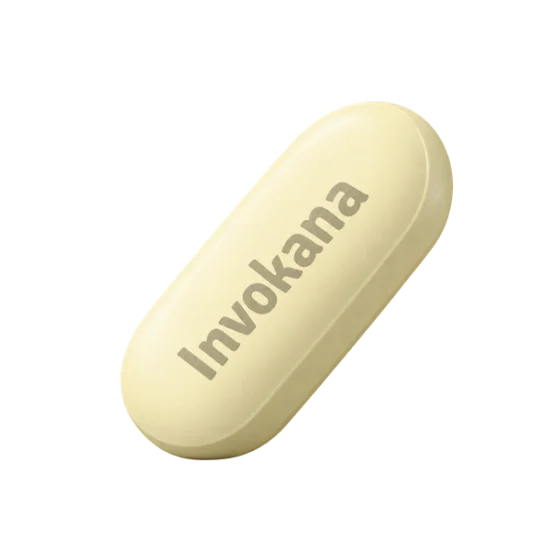
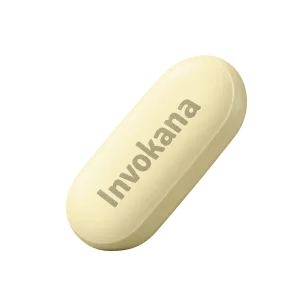
Invokana tablets are taken by mouth, usually once daily, for adults with type 2 diabetes. Its active ingredient, canagliflozin, lowers glucose by helping the kidneys remove more sugar in urine. The…
Invokana tablets are taken by mouth, usually once daily, for adults with type 2 diabetes. Its active ingredient, canagliflozin, lowers glucose by helping the kidneys remove more sugar in urine. The medicine may also support cardiovascular and kidney outcomes in suitable patients.
Overview
Invokana contains canagliflozin, an antidiabetic agent from the sodium-glucose co-transporter 2 (SGLT2) inhibitor class. Canagliflozin works independently of insulin.
Formulation
It is supplied as oral tablets and is used as part of a treatment plan for adults with type 2 diabetes mellitus.
Invokana is a prescription-only medicine and treatment decisions should account for kidney function, hydration, age, concurrent medicines, and other health conditions.
Therapeutic indications
Invokana does not replace insulin in people with type 1 diabetes. Its approved role is in type 2 diabetes, where it may be used alone in selected circumstances or alongside other glucose-lowering treatments. The FDA prescribing information describes canagliflozin’s renal mechanism, dosing restrictions, and important safety warnings.
Invokana has been studied in adults with type 2 diabetes who had cardiovascular disease or substantial kidney risk. Its possible benefits extend beyond glucose reduction, although the size of benefit depends on the patient’s baseline risk and kidney function.
The CANVAS Program found that canagliflozin reduced the composite risk of cardiovascular death, non-fatal myocardial infarction, or non-fatal stroke in a high-risk type 2 diabetes population. The study also showed slower progression of albuminuria and fewer hospitalisations for heart failure, while identifying important safety signals that clinicians must consider [1].
The CREDENCE trial studied adults with type 2 diabetes and diabetic kidney disease. Canagliflozin reduced the risk of kidney failure, doubling of serum creatinine, or renal or cardiovascular death compared with placebo. These findings supported the use of SGLT2 inhibition in selected patients with diabetic kidney disease [2].
| Potential treatment effect | Clinical meaning |
|---|---|
| Lower blood glucose | Less glucose is retained in the bloodstream because more is excreted in urine |
| Fewer heart-failure hospitalisations in suitable patients | Fluid and sodium handling may reduce cardiac strain in selected groups |
| Slower diabetic kidney disease progression | Benefit has been demonstrated in defined high-risk populations |
These outcomes do not mean that every person taking Invokana will avoid a cardiovascular or renal event. The medicine remains one part of diabetes care alongside blood-pressure management, lipid treatment, nutrition, physical activity, and monitoring.
Directions for use
- Dose: individualized; the exact amount in mg is not specified.
- Frequency: usually once daily.
- Timing: take by mouth; timing in relation to meals is not specified.
- Duration: use for the duration determined for the individual treatment plan.
- Route: oral tablets.
When not to use it
- Severe renal impairment or end-stage kidney disease requiring dialysis.
- Previous diabetic ketoacidosis.
- Active foot ulcer, serious foot infection, or a history of amputation.
- Recurrent genital or urinary infections.
- Low blood pressure, dehydration, or treatment with several diuretics.
- A planned major operation or prolonged fasting.
- Acute illness involving vomiting, diarrhoea, fever, or inability to drink.
- Pregnancy or breastfeeding, where treatment choice requires individual assessment.
- Frailty or advanced age with a high risk of dehydration.
- A ketogenic diet or another diet that greatly restricts carbohydrate intake.
A history of pancreatitis, reduced insulin production, or pancreatic disease also deserves discussion because ketoacidosis risk may rise when insulin availability is low. People with type 1 diabetes should not use Invokana for routine glucose control.
The European Medicines Agency describes important restrictions and warnings for canagliflozin-containing medicines, including renal assessment and ketoacidosis precautions [3].
When this is not for you
Invokana is not suitable for everyone. This medication is not for you if you have had a serious allergic reaction to canagliflozin or any tablet component, or if a prescriber has identified a contraindication based on kidney function or another clinical factor.
Unwanted effects
Genital fungal infections and increased urination are among the effects associated with SGLT2 inhibition. Genital infections may affect women and men, with symptoms such as itching, soreness, redness, discharge, or discomfort during urination.
Urinary tract infections can also occur. A persistent fever, flank pain, blood in the urine, or worsening urinary symptoms requires prompt medical assessment because these features may indicate a more serious infection.
Other recognised risks include:
- Dehydration and low blood pressure, especially in older adults or people taking diuretics.
- Dizziness or fainting caused by reduced circulating fluid volume.
- Hypoglycaemia when combined with insulin or insulin secretagogues.
- Diabetic ketoacidosis, which can occur even when blood glucose is not extremely high.
- Severe allergic reactions in people with hypersensitivity to canagliflozin.
- Rare serious infections involving the perineum, including Fournier’s gangrene.
- Lower-limb complications, including amputation risk in vulnerable patients.
The CANVAS findings led to closer clinical attention to lower-limb risk, especially among people with previous amputation, peripheral vascular disease, neuropathy, foot ulcers, or active infection. Foot care and prompt treatment of wounds are practical parts of risk reduction.
Diabetic ketoacidosis may cause nausea, vomiting, abdominal pain, unusual tiredness, rapid breathing, confusion, or a sweet-smelling breath. It can develop during fasting, severe illness, dehydration, heavy alcohol intake, or reduced insulin availability. Urgent medical assessment is required if these symptoms occur.
One practical detail is easy to miss: increased urination is not always a sign that the medicine is harming the kidneys. It reflects the intended glucose-and-sodium excretion mechanism, but marked thirst, weakness, or dizziness can signal excessive fluid loss.

How it affects the body
The kidneys filter glucose from the blood. SGLT2 normally reabsorbs much of that filtered glucose in the proximal renal tubule, returning it to the bloodstream.
Canagliflozin blocks SGLT2. Less glucose is reabsorbed, so more glucose leaves the body in urine. This lowers blood glucose without directly stimulating insulin release. The process also increases urinary sodium excretion and can produce a mild reduction in circulating fluid volume.
Common mistakes
Several preventable errors reduce treatment benefit or increase risk:
- Taking Invokana while severely dehydrated from vomiting or diarrhoea.
- Continuing it through prolonged fasting without an illness plan.
- Ignoring genital itching, soreness, discharge, or urinary burning.
- Assuming normal-looking blood glucose excludes ketoacidosis.
- Combining it with another SGLT2 inhibitor.
- Forgetting to mention diuretics or insulin when medicines are reviewed.
- Treating increased urination as a reason to stop fluids completely.
- Continuing regular dosing immediately before major surgery without specific instructions.
- Delaying attention to foot wounds or reduced foot sensation.
- Taking a missed dose too close to the next scheduled dose.
A missed dose should not be replaced by doubling the next dose. The safest action depends on when the missed tablet is remembered and the prescribed regimen.
Comparison
Canagliflozin, empagliflozin, and dapagliflozin belong to the same SGLT2 inhibitor class. Their broad mechanism is similar, but licensed indications, kidney thresholds, evidence populations, and prescribing preferences differ.
| Treatment approach | Main mechanism and clinical distinction |
|---|---|
| Canagliflozin | SGLT2 inhibition with evidence from CANVAS and CREDENCE for cardiovascular and kidney outcomes in defined populations |
| Empagliflozin | SGLT2 inhibition with strong cardiovascular and heart-failure evidence in several studied populations |
| Dapagliflozin | SGLT2 inhibition with established heart-failure and chronic kidney disease indications in appropriate patients |
Metformin works through a different pathway and is often used as a foundational treatment when suitable. Insulin directly replaces or supplements insulin activity, while sulfonylureas stimulate pancreatic insulin release and may cause more hypoglycaemia.
No single antidiabetic agent is best for every adult. Kidney function, cardiovascular disease, heart failure, weight, hypoglycaemia risk, treatment tolerance, and concurrent medicines all influence selection. NICE guidance places these clinical factors at the centre of individualised type 2 diabetes treatment [4].
What doctors say
In clinical practice, prescribers usually assess Invokana through three linked questions: whether the person needs additional glucose control, whether the kidneys can support treatment, and whether fluid-loss or ketoacidosis risks are acceptable.
Doctors also look beyond the HbA1c result. A patient with heart failure or diabetic kidney disease may receive an SGLT2 inhibitor because the treatment plan addresses organ protection as well as glucose. The decision still depends on the licensed indication and the person’s full clinical profile.
A common prescribing mistake is to focus only on blood glucose. A person with recurrent genital infections, low blood pressure, poor oral intake, or active foot disease may need a different approach.
The expected benefit develops over continued treatment rather than after one tablet. Follow-up commonly includes glucose measures, renal function, blood pressure, hydration status, and questions about urinary or genital symptoms.
Common questions
Can people under 18 use Invokana?
Invokana is generally intended for adults with type 2 diabetes, and paediatric use requires a specialist decision. The EMA product information and HPRA regulatory framework should be checked for the authorised age range and indication in Ireland. Children and adolescents have different developmental, renal, and hydration considerations. A paediatric diabetes specialist must determine whether canagliflozin is appropriate. The EMA and HPRA materials available in 2025 should be checked during that assessment.
How does Invokana differ from empagliflozin or dapagliflozin?
Invokana contains canagliflozin, while empagliflozin and dapagliflozin contain different active substances. All three inhibit SGLT2, but their authorised indications, trial evidence, renal-use thresholds, and interaction profiles are not identical. Clinical guidance from NICE in 2025 supports selecting an SGLT2 inhibitor according to kidney function, cardiovascular status, heart failure, and treatment goals. The choice should be made through an individual prescribing assessment.
Does Invokana cause genital fungal infections?
Yes, genital mycotic infections are a recognised adverse effect because increased urinary glucose can encourage fungal growth. Symptoms may include itching, soreness, redness, or abnormal discharge. The FDA label reviewed in 2025 describes this risk and identifies people with previous infections as needing careful monitoring. Persistent or severe symptoms require prompt treatment rather than waiting for them to disappear.
How long does an Invokana course last, and is long-term use acceptable?
Treatment is usually long term when it continues to provide benefit and remains clinically suitable. There is no standard short course for type 2 diabetes because the condition requires ongoing management. The ADA Standards of Care for 2025 support continued review of glucose, kidney, cardiovascular, and adverse-effect outcomes during treatment. A prescriber may pause or change therapy during acute illness, surgery, kidney deterioration, or significant intolerance.
Which condition rules out Invokana?
End-stage kidney disease requiring dialysis is a major exclusion for routine use, and Invokana is also unsuitable after serious hypersensitivity to canagliflozin. A previous episode of diabetic ketoacidosis requires careful specialist review before any SGLT2 inhibitor is considered. The EMA safety information current in 2025 stresses assessment of renal function and ketoacidosis risk. Active dehydration or severe acute illness may require temporary interruption even when treatment was previously tolerated.
What should be discussed with a doctor before starting Invokana?
Discuss kidney disease, low blood pressure, recurrent genital or urinary infections, previous ketoacidosis, foot ulcers, amputations, planned surgery, pregnancy, breastfeeding, and any ketogenic diet. Provide the full list of medicines, especially insulin, sulfonylureas, diuretics, anticonvulsants, and blood-pressure treatments. HPRA information for 2024 highlights the need for patient-specific safety assessment with prescription medicines. These details help determine the starting plan, monitoring schedule, and sick-day instructions.
Do you offer anonymous delivery?
Your order will be securely packed and shipped within 24 hours. This is exactly what your package will look like (images of an actual item sent). It has the size and look of a regular private letter (24x11x0.7 cm) and its contents cannot be seen.
Comparison
Actos
Amaryl
Diabecon
Forxiga
Glyxambi
Invokana Current
Sources
- New England Journal of Medicine (2017). Canagliflozin and Cardiovascular and Renal Events in Type 2 Diabetes
- New England Journal of Medicine (2019). Canagliflozin and Renal Outcomes in Type 2 Diabetes and Nephropathy
- European Medicines Agency (2024). Invokana: European Public Assessment Report
- National Institute for Health and Care Excellence (2023). Type 2 diabetes in adults: management
How Buyers Rate Invokana
Based on 3 reviews
I used Invokana alongside insulin for a few months. My readings improved, but I had two episodes of dizziness after working outdoors in warm weather. Drinking more was not enough, so my diabetes team reviewed the diuretic and insulin doses.
A few months 7 Oct 2026The treatment helped my glucose levels, but I developed genital irritation during the first month. It settled after treatment, although the experience made me more careful about hydration and reporting symptoms early.
The first month 15 Oct 2026