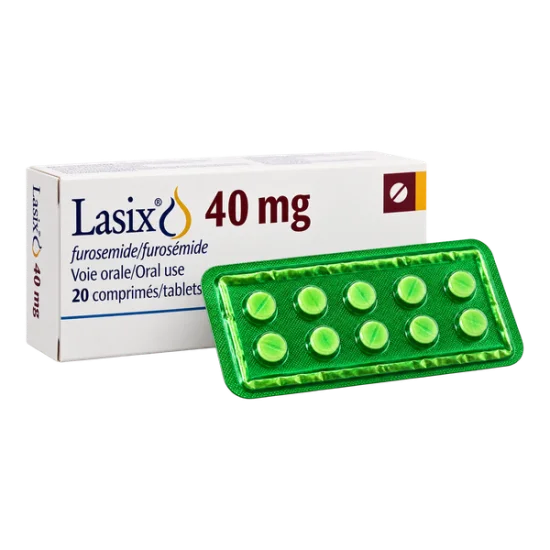
I used the prescribed morning tablet for ankle swelling linked to heart problems. The swelling eased over the next few days, but I had to plan toilet stops carefully. My blood test led to a dose adjustment.
Over the next few days 29 Oct 2026
Lasix
Furosemide, the active ingredient in Lasix, is a high-ceiling loop diuretic used to remove excess salt and water from the body. Lasix is prescribed mainly for oedema linked to heart, kidney, or liver…
Furosemide, the active ingredient in Lasix, is a high-ceiling loop diuretic used to remove excess salt and water from the body. Lasix is prescribed mainly for oedema linked to heart, kidney, or liver disease, and for selected cases of high blood pressure. Its fluid-removing effect can improve swelling and breathlessness, but treatment requires individual dose selection and monitoring.
Overview
Lasix contains furosemide, also called frusemide in some markets. The product is supplied as oral tablets and belongs to the diuretic family. Diuretics increase the amount of sodium and water removed through urine.
Furosemide is a high-ceiling loop diuretic. This term means that it can produce a strong increase in urine output when clinically appropriate.
Formulation
Lasix contains furosemide, also called frusemide in some markets. The product is supplied as oral tablets and belongs to the diuretic family. Diuretics increase the amount of sodium and water removed through urine.
Furosemide is a high-ceiling loop diuretic. This term means that it can produce a strong increase in urine output when clinically appropriate. The medicine is prescription-only and requires supervision by a licensed healthcare professional, especially when kidney function, blood pressure, or electrolyte levels may change. The clinical facts about furosemide and its approved uses are described in regulatory prescribing information [1].
Active Ingredient and Pharmacological Class
The active substance is furosemide. Frusemide is another name for the same active ingredient. It acts mainly in the loop of Henle, a section of the kidney nephron responsible for reclaiming sodium and chloride.
Dosing differs between strengths and between users, so there is no single amount that suits everyone.
Prescription Status and Clinical Supervision
A prescriber selects the regimen according to the reason for treatment, kidney function, age, fluid status, blood pressure, and response. Blood tests may be needed before treatment and during continued use.
Therapeutic indications
Lasix is used when the body retains more fluid than it can safely manage. This fluid retention is called oedema. It can affect the ankles and legs, increase body weight, or contribute to breathlessness.
Furosemide treats excess fluid. It does not remove the underlying heart, kidney, or liver disease that caused the fluid retention.
Oedema Associated with Heart, Kidney and Liver Conditions
Doctors may prescribe Lasix for oedema associated with heart failure, kidney disease, or liver disease. The medicine encourages the kidneys to remove sodium and water, which can reduce pressure from excess fluid in tissues and the circulation.
Ankle swelling may improve before the underlying condition has changed. A sudden increase in daily weight can indicate fluid accumulation, while rapid weight loss accompanied by thirst, weakness, or dizziness may signal excessive diuresis.
Sudden breathlessness, chest pain, fainting, or rapidly worsening swelling requires urgent medical assessment.
Blood Pressure Management
A loop diuretic can lower blood pressure by reducing circulating fluid volume. Furosemide may be selected for hypertension in specific clinical circumstances, such as when fluid overload or reduced kidney function affects treatment decisions.
It is not the routine choice for every person with high blood pressure. A high-ceiling loop diuretic can remove more fluid than needed if used without careful dose selection.
Directions for use
Lasix Dosage and Administration Principles
There is no single dose suitable for everyone. Dosing differs between strengths and between users, so the prescriber bases the regimen on the condition being treated and the response to furosemide.
The product information for furosemide emphasises dose adjustment and monitoring according to clinical response [3].
Oral Tablet Strengths and Dose Adjustment
Lasix tablets are taken by mouth. The prescribed dose may be changed after reviewing urine response, swelling, body weight, blood pressure, kidney function, and electrolyte results.
Practical principles include:
- Take the tablet at the prescribed time with water.
- Swallow the tablet as directed rather than changing the schedule independently.
- Do not take extra tablets because swelling has not improved quickly.
- If a dose is missed, take it when remembered unless the next dose is close.
- Do not double the next dose after a missed tablet.
- Follow the prescriber’s specific missed-dose instruction where one has been provided.
The exact regimen may differ between people with heart failure, kidney disease, liver disease, or hypertension.
Injectable Furosemide in Clinical Care
Injectable furosemide may be used when rapid or supervised treatment is needed. It is administered by healthcare professionals who can monitor blood pressure, urine output, kidney function, and electrolytes.
Monitoring During Treatment
Clinicians may monitor sodium, potassium, creatinine, urea, blood pressure, and body weight. The exact tests and timing depend on the treatment reason and individual risk factors.
When not to use it
Conditions Requiring Medical Review
Particular caution is needed with:
- Dehydration or very low circulating blood volume
- Markedly low potassium or sodium
- Low blood pressure
- Severe difficulty passing urine or urinary obstruction
- Significant kidney disease
- Liver disease or hepatic fluid complications
- Diabetes
- Previous hypersensitivity to furosemide or related medicines
- Older age with increased vulnerability to dizziness or falls
A clinician may request blood tests before treatment and during dose changes. Reduced urine flow must be assessed before increasing a diuretic.
Pregnancy, Breastfeeding and Older Adults
Pregnancy and breastfeeding require individual assessment of the expected benefit and possible effects on fluid balance. Older adults may be more prone to postural dizziness, dehydration, electrolyte disturbances, and falls.
Tell the prescriber about allergies, pregnancy, breastfeeding, diabetes, kidney disease, liver disease, and all current medicines before treatment is changed.
When this is not for you
This Medication Is Not for You If
Lasix should not be used when a prescriber has identified a contraindication such as complete inability to pass urine, severe untreated dehydration, or a previous serious hypersensitivity reaction to furosemide. Severe electrolyte depletion also requires correction and clinical review before further diuresis.
Do not use Lasix for rapid weight reduction or temporary cosmetic bloating. Water loss is not the same as fat loss.
Unwanted effects
Increased urination is an expected pharmacological effect. Thirst, dizziness, low blood pressure, dehydration, and weakness can occur when fluid removal exceeds the body’s needs.
The safety profile of furosemide includes fluid depletion, electrolyte abnormalities, kidney-related changes, and rare serious reactions [4].
Common Fluid and Blood Pressure Effects
Possible effects include:
- More frequent urination
- Thirst or dry mouth
- Light-headedness
- Dizziness when standing
- Low blood pressure
- Dehydration
- Headache or weakness
Stand up slowly if dizziness occurs. Sit or lie down if feeling faint. Do not make large changes to fluid intake without specific clinical advice, especially when Lasix is being used for heart or kidney disease.
Electrolyte and Kidney-Related Effects
Furosemide can lower potassium, sodium, magnesium, or other electrolytes. Possible warning symptoms include muscle cramps, unusual weakness, confusion, palpitations, worsening fatigue, or markedly reduced urine output.
Extra potassium or large amounts of water do not automatically prevent complications. Potassium replacement is appropriate only when a clinician has assessed the blood result, kidney function, and other medicines.
Serious Reactions and Hearing Symptoms
Urgent medical attention is needed for facial swelling, swelling of the lips or tongue, breathing difficulty, severe fainting, or a sudden widespread allergic reaction. Sudden hearing loss, ringing, or other abrupt hearing changes should be reported promptly, especially after high-dose or parenteral treatment.
A severe reduction in urine output also needs prompt assessment because it can indicate significant dehydration or worsening kidney function.

How it affects the body
Furosemide blocks the sodium-potassium-chloride cotransporter in the thick ascending limb of the loop of Henle. Sodium and chloride reabsorption falls, so more sodium remains in the urine. Water follows sodium, increasing urine production.
The mechanism of loop diuretics is described in pharmacology references and prescribing information from the FDA and other regulatory bodies [2].
Kidney Sodium and Water Handling
The kidneys filter blood and then reclaim substances the body still needs. Furosemide reduces sodium recovery at a specific nephron site. The resulting sodium loss draws additional water into the urine.
“Water pills” is an informal term for diuretics. Lasix is a prescription medicine, not a general wellness product or routine treatment for cosmetic bloating.
The same action that reduces fluid overload can also lower potassium, sodium, blood pressure, and circulating volume. That balance explains why blood tests and symptom monitoring may form part of treatment.
Common mistakes
Common mistakes include:
- Taking an extra tablet after a missed dose
- Changing the dose because urine output seems lower on one day
- Taking Lasix for weight loss
- Restricting fluids excessively without clinical advice
- Starting potassium supplements without a blood-test result
- Ignoring cramps, palpitations, confusion, or severe weakness
- Driving after dizziness or faintness
- Missing blood-test or blood-pressure monitoring
- Continuing regular NSAID use without mentioning it
- Failing to report sudden hearing changes
A sudden hearing symptom is easy to dismiss as unrelated. Report it promptly. The same applies to very low urine output, fainting, confusion, severe weakness, palpitations, and worsening breathlessness.
Comparison
Diuretics differ in the part of the kidney they affect, the strength of fluid removal, and their electrolyte risks. Comparing by active ingredient is more useful than comparing by product name.
| Diuretic category | Main clinical profile |
|---|---|
| Furosemide, a loop diuretic | Strong sodium and water removal; useful for significant oedema; potassium and volume status require monitoring. |
| Thiazide-type diuretic | More moderate fluid effect; commonly used in blood-pressure treatment; sodium, potassium, and uric acid may require review. |
| Potassium-sparing diuretic | Weaker fluid removal in many settings; may raise potassium, especially with kidney impairment or renin–angiotensin system medicines. |
Loop, Thiazide-Type and Potassium-Sparing Diuretics
Lasix and other furosemide formulations are loop diuretics. Thiazide-type and potassium-sparing diuretics work at different nephron sites and may be selected for different clinical purposes.
A prescriber may combine diuretic categories in selected cases, but combination treatment increases the need for blood-pressure and electrolyte monitoring.
Water-Pill Labels and Active Ingredients
A product described as a water pill may contain a diuretic other than furosemide. Products with similar commercial names are not automatically interchangeable, and non-prescription water-loss products should not replace prescribed Lasix.
Furosemide may be called frusemide in some markets. The active substance, strength, route, and clinical instructions determine how a medicine should be used.
What doctors say
In clinical practice, doctors focus on controlled fluid removal rather than the number of bathroom visits. Ankle swelling may improve before the heart, kidney, or liver condition itself improves, so stopping treatment as soon as swelling settles can cause fluid to return.
Common questions
How does Lasix differ from the closest alternative diuretics?
Lasix contains furosemide, a loop diuretic that generally produces stronger sodium and water removal than thiazide-type diuretics. Potassium-sparing diuretics have a different renal action and can increase potassium rather than lower it. The EMA’s 2024 product information explains that diuretic selection depends on the treatment goal, kidney function, blood pressure, and electrolyte profile, rather than on the word “diuretic” alone.
How long does a Lasix course last, and is long-term use acceptable?
The duration depends on the condition being treated and the response to therapy. Some people need treatment for a limited period, while chronic heart, kidney, or liver conditions may require longer-term use with dose reviews and blood tests. NICE guidance updated through 2025 supports ongoing clinical review for chronic fluid-related conditions. Long-term use should follow a monitored treatment plan rather than self-adjustment.
Can alcohol be used while taking Lasix?
Alcohol may increase dizziness, low blood pressure, and dehydration when combined with furosemide. The WHO’s medication-safety information in 2023 supports checking substances that can amplify adverse effects or impair judgement. Avoid alcohol when feeling faint, dehydrated, or unwell, and take extra care with driving or machinery if dizziness occurs.
Which condition rules out Lasix?
Complete inability to pass urine, severe untreated dehydration, or a previous serious hypersensitivity reaction to furosemide can rule out treatment. The FDA’s 2024 prescribing information for Lasix identifies anuria and hypersensitivity as key contraindication concerns. Severe electrolyte depletion also needs medical correction and review before further diuresis.
Do you offer anonymous delivery?
Your order will be securely packed and shipped within 24 hours. This is exactly what your package will look like (images of an actual item sent). It has the size and look of a regular private letter (24x11x0.7 cm) and its contents cannot be seen.
Comparison
Sources
- FDA (2024). LASIX (furosemide) tablets, prescribing information.
- FDA (2024). Furosemide: pharmacology and prescribing information.
- HPRA (2024). Summary of Product Characteristics for furosemide-containing medicines.
- EMA (2023). Furosemide-containing medicines: product information and safety considerations.
How Buyers Rate Lasix
Based on 5 reviews
Lasix reduced the heavy, tight feeling in my legs. I initially took it too late in the afternoon and was awake several times overnight. Moving the prescribed dose earlier helped, although I still noticed thirst.
6 Nov 2026I had been given furosemide for fluid retention during kidney treatment. The tablets helped, but dizziness appeared when I stood up quickly. The clinic checked my blood pressure and electrolytes rather than telling me simply to drink more.
10 Nov 2026The medicine reduced my swelling, though the first week was inconvenient because of frequent urination. I also developed cramps, which improved after the clinician reviewed my blood results. I would not take an extra tablet without advice.
The first week 15 Nov 2026I expected Lasix to help with general weight loss and stopped after feeling weak and light-headed. The clinician explained that losing water is different from losing fat. The experience made the risks clearer.
25 Nov 2026