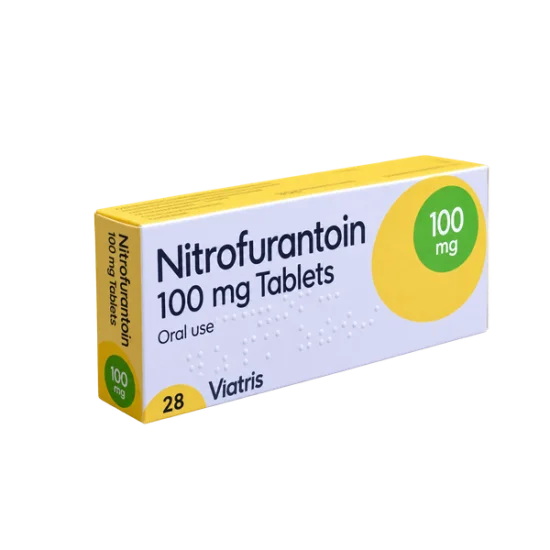
took the tablets with meals for a short bladder infection. The burning eased after a couple of days, and he noticed darker urine that settled after treatment. He found mild nausea on the first day but did not experience it when the medicine was taken with food.
A short bladder infection 27 Nov 2026
Nitrofurantoin
Nitrofurantoin, the active antibacterial ingredient in Nitrofurantoin, is used mainly for uncomplicated lower urinary tract infections such as cystitis. It is prescribed for adults and selected…
Nitrofurantoin, the active antibacterial ingredient in Nitrofurantoin, is used mainly for uncomplicated lower urinary tract infections such as cystitis. It is prescribed for adults and selected patients when bacteria are susceptible, reaching high concentrations in urine to act inside the bladder.
Overview
Nitrofurantoin belongs to the antibiotic class and is used mainly for uncomplicated urinary tract infections (UTIs), especially cystitis. Cystitis is inflammation and infection of the bladder. A lower UTI affects the bladder or urethra rather than the kidneys or bloodstream.
Formulation
The active antibacterial ingredient is nitrofurantoin. The amount per intake is set individually for each person rather than being one fixed amount; information about additional inactive ingredients is not provided.
Therapeutic indications
Nitrofurantoin belongs to the antibiotic class and is used mainly for uncomplicated urinary tract infections (UTIs), especially cystitis. Cystitis is inflammation and infection of the bladder. A lower UTI affects the bladder or urethra rather than the kidneys or bloodstream.
Nitrofurantoin is not a general treatment for every infection. Its usefulness depends on the suspected bacteria, local resistance patterns, the location of the infection, and kidney function. Antibiotics do not treat viral infections such as most colds or influenza.
The medicine is used as a first-line option for selected uncomplicated lower UTIs in Irish antimicrobial guidance. A urine culture may be appropriate when symptoms are severe, recurrent, atypical, or associated with previous resistant bacteria. The choice should reflect culture results when available rather than assumption.
Some patients with repeated, culture-confirmed UTIs may receive nitrofurantoin for prevention. Preventive treatment requires review of recurrence patterns, previous cultures, kidney function, lung and liver history, and alternative approaches. It should not be started or extended independently.
The European Medicines Agency describes these pharmacological and clinical limitations in its nitrofurantoin product information [1].
Directions for use
Nitrofurantoin is a prescription antibiotic in Ireland. The amount per intake is set individually rather than being one fixed amount for every person. Course length also depends on whether treatment is for an acute lower UTI or a selected prevention plan.
- Take each dose at the prescribed time.
- Take it with food or milk when directed.
- Continue for the prescribed duration, even if urinary discomfort improves early.
- If a dose is missed, take it when remembered unless the next dose is near; do not double the next amount.
- Do not share tablets or use leftover antibiotics from a previous illness.
- Contact the prescriber if vomiting prevents doses from staying down.
A prescription course should not be extended because mild urinary symptoms remain. Persistent symptoms may indicate resistance, another diagnosis, an upper-tract infection, or a complication requiring a different assessment.
One practical mistake is taking the medicine only when burning is noticeable. Antibiotics work according to their dosing schedule, not according to the intensity of each symptom. Another is doubling a dose after a missed tablet, which increases exposure without reliably improving treatment.
When not to use it
Nitrofurantoin should not be used by someone with a known serious allergy to nitrofurantoin or a previous severe reaction to it.
Significant kidney impairment can reduce urinary delivery and increase systemic exposure. The exact renal threshold depends on the current authorised product information and clinical context, so kidney function may need review before prescribing.
Glucose-6-phosphate dehydrogenase deficiency can increase the risk of haemolysis, a breakdown of red blood cells. The prescriber should know about this condition before treatment.
Late pregnancy and the period close to delivery require specific review because of possible neonatal blood-related complications.
Probenecid and sulfinpyrazone can interfere with renal excretion of nitrofurantoin. Combination treatment is not automatically prohibited in every situation, but it needs clinical review.
Medicines that make urine less acidic may reduce antibacterial activity in urine. Do not deliberately alter urine acidity during treatment.
When this is not for you
Nitrofurantoin is NOT for you if you have a serious allergy to it, unsuitable kidney impairment, or symptoms suggesting kidney or bloodstream infection; seek clinical advice about alternatives.
Fever, pain in the side or back below the ribs, vomiting, marked weakness, or confusion can indicate a more serious infection requiring urgent clinical assessment rather than routine treatment for cystitis.
People with a history of unexplained lung disease, liver disease, or nerve problems require specific assessment.
Breastfeeding suitability depends on the infant’s age, health, and the clinical situation. Older adults may have reduced kidney function without obvious symptoms, so age alone does not determine suitability; renal assessment and medication review are more useful.
Unwanted effects
Common adverse effects include nausea, reduced appetite, headache, and diarrhoea. Taking the tablets with food or milk may make stomach symptoms easier to tolerate. Persistent vomiting, inability to retain doses, or severe diarrhoea requires medical advice.
Nitrofurantoin can rarely affect the lungs, liver, nerves, or blood. The Irish product information and patient information materials provide the relevant frequency categories and warning symptoms [2].
Common gastrointestinal effects
Nausea may occur early and may improve when the dose is taken with food. Small, regular meals can be easier to tolerate than taking a tablet on an empty stomach.
Diarrhoea that is mild and short-lived may be monitored, but severe, persistent, or bloody diarrhoea needs assessment. Antibiotic-associated colitis can occur during or after treatment.
Rare pulmonary, hepatic, and neurological reactions
Stop and seek prompt medical advice for new breathlessness, persistent cough, chest pain, or worsening breathing. Liver warning signs include yellowing of the skin or eyes, unusually pale stools, intense itching, or severe right-sided abdominal discomfort.
Numbness, burning, weakness, or tingling in the hands or feet may indicate nerve involvement. The risk deserves extra attention during prolonged exposure or in people with kidney impairment, diabetes, anaemia, or other neurological conditions.
How it affects the body
Susceptible bacteria convert it into reactive compounds that damage several bacterial processes, including genetic material and essential proteins. This multi-target activity helps explain why nitrofurantoin remains useful for some bladder infections.
Nitrofurantoin becomes highly concentrated in urine, exposing bacteria in the bladder to the antibacterial compound.
Common mistakes
- Taking tablets on an empty stomach despite instructions to use food or milk.
- Stopping when burning improves.
- Doubling after a missed dose.
- Using a previous course for a new episode.
- Sharing antibiotics with another person.
- Ignoring fever or flank pain because bladder symptoms are familiar.
- Continuing treatment despite breathing difficulty, jaundice, or new numbness.
- Adding urinary alkalinisers without checking their ingredients.
- Assuming a 100 mg tablet means the same intake schedule for every patient.
- Forgetting to mention kidney disease, pregnancy, G6PD deficiency, or previous lung reactions.
One small detail can prevent a large error: the tablet strength is not the same as the prescribed number of tablets per day. The prescriber selects the amount and frequency for the individual clinical situation.
Comparison
Nitrofurantoin and quinolone antibiotics are different drug classes with different tissue distribution and safety profiles. Ciprofloxacin, norfloxacin, ofloxacin, and lomefloxacin are quinolone-related medicines, but they are not automatically interchangeable with nitrofurantoin or with one another.
| Treatment group | Main distribution and UTI role | Important limitation |
|---|---|---|
| Nitrofurantoin | High urinary concentration; mainly selected uncomplicated lower UTIs | Limited usefulness for suspected kidney or bloodstream infection |
| Quinolone antibiotics | Wider tissue distribution; selected complicated or upper-tract infections | Resistance and serious class warnings restrict routine use |
| Culture-directed alternative | Chosen according to bacterial susceptibility and patient factors | Requires clinical interpretation rather than self-selection |
Nitrofurantoin’s high urinary concentration makes it suitable for some bladder infections. A quinolone may reach tissues beyond the bladder, but wider distribution does not make it a better choice for uncomplicated cystitis.
Fluoroquinolones carry important warnings involving tendons, nerves, mental health, blood sugar, and the aorta. The European Commission’s safety measures and Irish antimicrobial guidance support reserving these medicines for situations where the expected benefit outweighs their risks [3].
In clinical practice, antimicrobial stewardship means using the narrowest suitable option for the confirmed or most likely infection. Resistance history, urine culture, allergy, kidney function, pregnancy, and infection severity all influence selection. The WHO classifies antimicrobial resistance as a major public-health challenge, which is one reason self-selecting an alternative antibiotic is unsafe [4].
What doctors say
A GP or urology clinician usually focuses first on infection location. Nitrofurantoin may fit lower-tract infection, but fever, flank pain, vomiting, or systemic illness changes the assessment.
Doctors also review whether symptoms match cystitis. Vaginal symptoms, urethral irritation, sexually transmitted infection risk, stones, and bladder disorders can produce urinary discomfort without responding to an antibiotic.
Common questions
How long does a Nitrofurantoin course last, and is long-term use acceptable?
The course length depends on the infection, formulation, kidney function, and the prescriber’s treatment plan. Acute cystitis treatment and prevention of recurrent UTI use different prescribing approaches, so one duration cannot be applied to everyone. The HPRA product information available in 2025 supports individual selection of dose and duration according to indication and patient factors. Long-term use requires monitoring for lung, liver, nerve, and blood-related adverse effects. Follow-up is needed if symptoms recur or adverse effects appear.
Can Nitrofurantoin tablets be split, crushed, or chewed?
Tablets should be swallowed as directed unless the authorised instructions specifically permit another method. Crushing or chewing can alter how a tablet is taken and may make accurate dosing more difficult. HPRA product information from 2025 should guide the handling of the specific authorised formulation. A person who cannot swallow tablets needs an appropriate formulation selected by a prescriber or pharmacist.
What should happen if the expected result does not come?
Persistent burning, worsening urinary frequency, fever, flank pain, vomiting, or visible blood requires clinical reassessment. The problem may involve bacterial resistance, an upper-tract infection, a stone, or a diagnosis other than uncomplicated cystitis. HSE antimicrobial guidance in 2025 supports reassessment when symptoms fail to respond as expected rather than automatic repetition of the same antibiotic. Do not add leftover tablets or change to a quinolone independently.
Can Nitrofurantoin affect driving, concentration, or machinery work?
Nitrofurantoin does not usually prevent ordinary activities, but dizziness, headache, weakness, visual disturbance, or severe nausea can impair performance. Anyone who feels affected should avoid driving, cycling on roads, or operating machinery until symptoms settle. The HPRA medicine safety information reviewed in 2025 advises attention to individual reactions and any symptoms that could impair alertness. Alcohol does not create a standard direct interaction with nitrofurantoin, but drinking can worsen dehydration or make dizziness and nausea harder to judge.
How soon should the effect become noticeable?
Urinary discomfort may begin to improve during the first few days, but the timing varies with the organism, infection severity, and individual response. Early improvement does not prove that the infection has fully cleared. NICE antimicrobial guidance current in 2025 supports seeking reassessment when symptoms worsen or fail to improve within the expected clinical period. Fever, flank pain, vomiting, or marked weakness should prompt urgent assessment rather than waiting for further tablets to work.
How should Nitrofurantoin be stored at home and while travelling?
Keep the tablets in their supplied container, protected from excessive heat, moisture, and direct sunlight, and keep them out of children’s reach. During travel, carry the medicine in hand luggage where possible and maintain the prescribed dosing schedule. The EMA product information updated before 2025 gives storage requirements for authorised formulations. Do not leave tablets in a hot car, humid bathroom, or unmarked loose container.
How does Nitrofurantoin differ from the closest antibiotic alternatives?
Nitrofurantoin is designed to reach high concentrations in urine and is mainly used for selected lower UTIs. Quinolone antibiotics such as ciprofloxacin have broader tissue distribution but carry serious class warnings and are not routine substitutes for uncomplicated cystitis. WHO antimicrobial stewardship guidance from 2025 supports selecting treatment according to infection site, susceptibility, and patient risk rather than choosing the broadest antibiotic. A GP or urology clinician may choose another option when kidney infection, resistance, allergy, pregnancy, or another contraindication changes the balance.
Do you offer anonymous delivery?
Your order will be securely packed and shipped within 24 hours. This is exactly what your package will look like (images of an actual item sent). It has the size and look of a regular private letter (24x11x0.7 cm) and its contents cannot be seen.
Comparison
Nitrofurantoin tablets and other formulations
Nitrofurantoin is available in tablet, capsule, and oral-solution formulations in different markets. This product is supplied as oral 100 mg tablets. Release characteristics and approved formulations can differ, so tablets, capsules, and liquid products should not be treated as automatically interchangeable.
| Formulation | Practical point | Clinical consideration |
|---|---|---|
| Immediate-release tablets | Swallow according to the prescribed schedule, with food or milk when directed | The amount per intake is selected for the individual |
| Capsules | Release characteristics may differ between products | Do not substitute a capsule for tablets without professional instruction |
| Oral solution | Liquid dosing requires an appropriate measuring device | Do not convert a tablet dose to liquid volume independently |
Capsules and tablets
Taking nitrofurantoin with food or milk can improve absorption and reduce stomach upset. The prescribed schedule should be followed at evenly spaced times where possible. A tablet should only be split, crushed, or chewed when the authorised product instructions specifically allow it.
Oral solution
Oral solution is a separate formulation with its own measuring requirements. A liquid product should be shaken only when its approved instructions require shaking, and a household teaspoon is unsuitable for accurate dosing.
A liquid volume cannot be calculated safely from the tablet strength without knowing the liquid concentration. Capsule-to-liquid and tablet-to-liquid conversions require an authorised prescriber or pharmacist.
Sources
- European Medicines Agency (2018). Nitrofurantoin-containing medicinal products: product information and safety considerations.
- Health Products Regulatory Authority (2025). Nitrofurantoin: authorised product information.
- European Commission (2019). Fluoroquinolone and quinolone antibiotics: restrictions on use due to disabling and potentially long-lasting side effects.
- World Health Organization (2023). Antimicrobial resistance: global report and stewardship information.
How Buyers Rate Nitrofurantoin
Based on 3 reviews
stopped taking the tablets when he felt better and noticed urinary discomfort return soon afterwards. A later review showed that the course needed to be completed as prescribed. He also found that taking doses without food made his stomach feel unsettled.
29 Oct 2026developed a cough and breathlessness during a longer preventive treatment plan. He sought medical advice rather than assuming it was a seasonal infection, and the treatment was reviewed. His experience reinforced that prolonged use needs follow-up when new symptoms appear.
A longer preventive treatment plan 13 Nov 2026