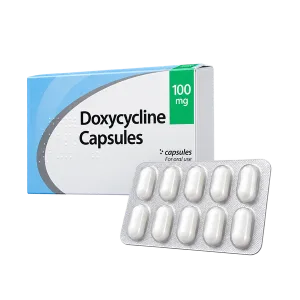
Overview
Tetracycline is a broad-spectrum antibiotic in the tetracyclines class. The product available on this page is an oral tablet of Tetracycline, supplied as a course of tablets. Dosing differs between strengths and between users, so no single amount suits everyone. Its use depends on the infection, bacterial susceptibility, patient age, kidney and liver function, and the prescriber’s treatment plan.
Therapeutic indications
Tetracycline may be prescribed for infections caused by tetracycline-sensitive bacteria. Possible clinical uses include selected respiratory tract infections, certain skin infections, some sexually transmitted infections, and particular infections caused by intracellular organisms.
The choice depends on laboratory susceptibility and local resistance patterns. A bacterium may belong to a group historically treated with tetracycline yet still resist the drug. The World Health Organization (WHO) described antimicrobial resistance as a major factor in selecting and monitoring antibiotic treatment [1].
Conditions for which a clinician may consider tetracycline include:
- Selected infections caused by Chlamydia species.
- Some rickettsial infections.
- Certain respiratory infections caused by susceptible organisms.
- Specific skin and soft-tissue infections.
- Some infections caused by atypical or intracellular bacteria.
- Selected ocular infections when an appropriate formulation and route are prescribed.
Tetracycline is not suitable for every bacterial infection. It is not a substitute for treatment directed at bacteria known to resist tetracyclines, and it has no activity against viruses.
Diarrhoea, cough, or a sore throat does not automatically mean that an antibiotic is needed. Tetracycline is useful only when the suspected or confirmed bacteria are likely to respond to it.
When not to use it
Tetracycline is not appropriate for you if any of the following applies unless a specialist has made a specific, documented decision:
- A previous serious allergic reaction to tetracycline or another tetracycline-class antibiotic.
- Pregnancy, especially during the second half, unless specialist advice identifies a compelling reason.
- Breastfeeding when treatment could expose the infant to clinically relevant drug levels.
- Children under the age limits specified by the prescriber or regulatory product information.
- A history of severe liver disease where tetracycline could increase hepatic risk.
- A previous serious reaction involving severe rash, mucosal sores, facial swelling, or breathing difficulty after an antibiotic.
Important interactions include antacids containing aluminium, calcium, or magnesium; iron supplements; zinc products; bismuth-containing preparations; and some mineral-rich products. These substances can bind tetracycline and reduce the amount absorbed.
Warfarin and other medicines affected by changes in intestinal flora may require closer monitoring during antibiotic treatment. Isotretinoin and other systemic retinoids require particular caution because combining them with tetracyclines may increase the risk of raised intracranial pressure. Methoxyflurane is associated with serious renal toxicity when combined with tetracyclines and should not be used in this setting.
Unwanted effects
Common adverse effects include nausea, abdominal discomfort, loose stools, headache, and sensitivity to sunlight. Taking the tablet with enough water and remaining upright can reduce upper gastrointestinal irritation. Severe or persistent diarrhoea can indicate antibiotic-associated colitis and needs prompt medical assessment.
Photosensitivity may cause an exaggerated sunburn-like reaction. This can occur even after ordinary outdoor exposure, especially during bright sunlight. Protective clothing and high-factor sunscreen reduce exposure, though severe blistering or widespread rash requires urgent medical attention.
Other possible reactions include:
- Rash, itching, facial swelling, or breathing difficulty from hypersensitivity.
- Inflammation or ulceration of the oesophagus.
- Changes in oral or vaginal flora, including candidiasis.
- Headache or visual disturbance associated with raised intracranial pressure.
- Liver injury, especially in people with additional risk factors or prolonged exposure.
- Rare blood abnormalities or severe skin reactions.
The patient information for tetracycline-class products identifies special risks in pregnancy, breastfeeding, childhood, and people with significant liver disease. Tetracyclines can bind calcium in developing teeth and bones, potentially causing permanent tooth discolouration or affecting bone growth. Regulatory product information from the EMA describes these restrictions and warnings [2].
How it affects the body
The Tetracycline antibiotic enters susceptible bacterial cells and binds reversibly to the 30S ribosomal subunit. Ribosomes are the structures bacteria use to assemble proteins. By interfering with the attachment of transfer RNA, tetracycline prevents the addition of new amino acids to growing bacterial proteins.
Without adequate protein production, bacteria cannot grow and multiply normally. This explains the bacteriostatic action of tetracycline. The effect is selective because bacterial ribosomes differ from human ribosomes, although adverse effects can still occur through irritation, allergy, altered intestinal flora, or effects on developing tissues.
Resistance can arise through several mechanisms. Bacteria may pump tetracycline out of the cell, protect the ribosome, or reduce drug entry. These mechanisms explain why a previously useful antibiotic may fail against a particular strain.
Tetracycline differs from penicillin at the molecular level. Penicillin interferes with bacterial cell-wall construction, while tetracycline interferes with protein synthesis. Azithromycin acts at the 50S ribosomal subunit, giving it a different target from tetracycline.
Common mistakes
Several everyday errors can reduce treatment success or increase irritation:
- Taking the tablet with milk, yoghurt, calcium-fortified drinks, or mineral supplements.
- Swallowing it immediately before lying down.
- Stopping as soon as fever or pain improves.
- Saving leftover tablets for a later illness.
- Taking doses at irregular times.
- Using oral tetracycline for a viral cold.
- Staying in strong sunlight without protection.
- Combining the antibiotic with isotretinoin without medical review.
- Assuming diarrhoea is always harmless and continuing despite severe or persistent symptoms.
One small detail matters: the tablet should be swallowed with water rather than taken dry. Dry swallowing can leave the tablet in the oesophagus, where local irritation may be painful and prolonged.
Another common mistake is taking tetracycline beside breakfast when the meal contains dairy or added minerals. The issue is absorption, not an allergic reaction, so the person may feel no immediate warning that the dose has been weakened.
Keep a written dosing schedule if the course involves several daily doses. Marking each completed dose helps prevent both missed tablets and accidental double dosing.
Comparison
Tetracyclines share a core mechanism but differ in pharmacokinetic behaviour. Half-life describes how quickly the concentration falls in the body; a longer half-life can allow less frequent administration, depending on the individual product and indication.
| Tetracycline-class option |
Clinical distinction |
| Tetracycline |
First-generation oral agent; absorption is strongly affected by minerals and some foods |
| Doxycycline, minocycline, lymecycline |
Later derivatives with different dosing schedules, distribution, and tolerability profiles |
| Omadacycline, eravacycline |
Newer tetracycline-class antibiotics used in selected serious or resistant infections |
Rolitetracycline and demeclocycline are additional tetracycline-class agents with specialised clinical roles. They are not interchangeable with the 250 mg oral tablets described here.
Doxycycline often has more convenient dosing and is used widely for several susceptible infections. Minocycline reaches some tissues effectively but can cause distinctive adverse effects, including dizziness or pigmentation. Lymecycline is used in some dermatological settings. Omadacycline and eravacycline were developed to address selected resistant infections and have different prescribing requirements.
The choice between tetracycline and another tetracycline-class antibiotic is based on the organism, infection site, resistance, renal and hepatic considerations, interactions, and treatment guidelines. A newer derivative is not automatically preferable for every infection.
Tetracycline is a protein-synthesis inhibitor with bacteriostatic activity. Penicillin antibiotics act mainly on bacterial cell-wall synthesis and are often bactericidal against susceptible organisms. Azithromycin is a macrolide that also inhibits protein synthesis, but it binds to a different ribosomal site.
These differences affect antibacterial spectrum, resistance patterns, tissue penetration, adverse effects, and suitability for specific patients. Allergy history also matters. A person with a penicillin allergy may still require separate assessment for tetracycline tolerability because the drug classes are chemically different.
Antibiotic selection should follow the suspected organism and infection site rather than the broad label of “stronger” or “weaker” antibiotic. Using tetracycline when a different class is better suited can delay recovery and promote resistance.
What doctors say
In clinical practice, doctors usually match tetracycline to the suspected organism rather than prescribing it solely because symptoms resemble a previous infection. A good response depends on bacterial susceptibility, sufficient exposure, and taking the full prescribed course at the intended intervals.
Physicians also review medicines that reduce absorption. A patient may report taking every tablet correctly while an iron supplement or antacid has prevented enough tetracycline from entering the bloodstream. This is a common practical reason for treatment failure.