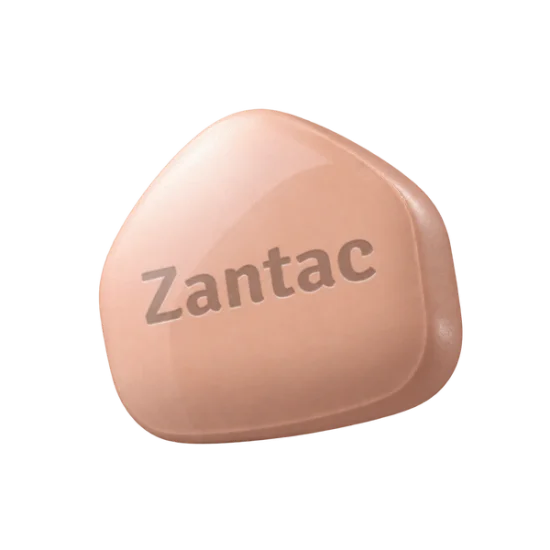
used an acid-reducing tablet for night-time burning for several days. The burning eased, but he noticed mild nausea after the first doses and stopped adding extra tablets when symptoms were slower to settle.
Several days 23 Oct 2026
Zantac
Zantac is associated with ranitidine, a histamine H2-receptor antagonist used for acid-related conditions. H2 blockers reduce acid production by blocking histamine signals in the stomach’s…
Zantac is associated with ranitidine, a histamine H2-receptor antagonist used for acid-related conditions. H2 blockers reduce acid production by blocking histamine signals in the stomach’s acid-secreting cells. This pharmacological action can relieve acid-related burning and support ulcer treatment.
Overview
Zantac is associated with ranitidine, a histamine H2-receptor antagonist. Ranitidine belongs to the H2-blocker class. It acts on histamine H2 receptors in the stomach rather than neutralising acid already present.
Formulation
Zantac is associated with ranitidine, an active substance in the histamine H2-receptor antagonist class. It acts on H2 receptors in the stomach and reduces acid production rather than neutralising acid already present. The appropriate regimen depends on the treatment purpose, symptom severity, kidney function, age and other medicines used.
Therapeutic indications
Zantac, associated with ranitidine, is used for acid-related conditions, including:
- Heartburn and acid indigestion
- Gastro-oesophageal reflux symptoms
- Gastric and duodenal ulcers
- Conditions involving excessive stomach-acid production
- Protection against acid-related irritation in selected clinical situations
Ranitidine is a histamine H2-receptor antagonist. It reduces stomach-acid production by blocking histamine signals in acid-secreting cells.
Directions for use
The appropriate amount of Zantac depends on the reason for treatment, the severity of symptoms, kidney function, age, and other medicines being used. The product information supplied by the prescriber or pharmacist determines the individual regimen.
Practical administration points include:
- Take the prescribed dose at the agreed frequency.
- Swallow the tablet with water unless a healthcare professional has given different instructions.
- Do not double the next dose after a missed dose.
- If a dose is missed, take it when remembered unless the next scheduled dose is near.
- Avoid taking two doses close together to compensate.
- Do not crush, chew, or split the tablet unless the specific formulation allows it.
- Report persistent symptoms rather than extending treatment independently.
- Seek assessment for difficulty swallowing, vomiting blood, black stools, unexplained weight loss, or persistent vomiting.
The best time of day depends on the treatment purpose. Some acid-related regimens are timed before a meal, while others are taken later in the day or at bedtime. The prescribing clinician chooses the schedule according to the symptom pattern.
When not to use it
Zantac is not appropriate for everyone. Extra care is needed when the patient has reduced kidney function, a previous reaction to ranitidine or another H2 blocker, unexplained gastrointestinal bleeding, or symptoms suggesting a serious underlying condition.
- There has been an allergy to ranitidine or a related ingredient.
- Kidney impairment may require a different regimen.
- There is unexplained weight loss or persistent loss of appetite.
- Swallowing is painful or difficult.
- Vomiting contains blood or stools are black and tar-like.
- Symptoms began recently in an older adult without previous assessment.
- Severe or persistent abdominal pain is present.
- Pregnancy or breastfeeding requires an individual treatment decision.
- Several medicines are being taken that may interact with acid suppression.
When this is not for you
Do not use acid suppression to mask recurrent symptoms indefinitely. Continued heartburn can reflect reflux disease, ulceration, medication-related irritation, or another gastrointestinal condition.
Zantac is associated with ranitidine, which reduces stomach-acid production rather than neutralising acid already present. The appropriate regimen depends on the reason for treatment, symptom severity, kidney function, age, and other medicines being used.
Unwanted effects
Acid suppression can cause digestive or skin-related symptoms. Reported reactions associated with ranitidine included nausea, constipation, stomach pain, diarrhoea, headache, dizziness, and skin rash. The frequency varies between studies and patient groups.
Commonly discussed reactions include:
- Nausea or unsettled stomach
- Constipation or diarrhoea
- Abdominal discomfort or stomach pain
- Headache
- Dizziness
- Skin rash or itching
A mild digestive symptom may settle, but persistent or worsening discomfort needs assessment. Stomach pain should not automatically be attributed to excess acid because ulcers, gallbladder disease, pancreatitis, infection, and other conditions can produce similar symptoms.
Skin rash requires attention if it spreads quickly, blisters, involves the mouth or eyes, or occurs with facial swelling or breathing difficulty. Those features may indicate a serious allergic reaction.
Confusion, hallucinations, marked drowsiness, or unusual agitation have been reported rarely with H2 blockers, with greater concern in older adults and people with impaired kidney function. Urgent medical assessment is needed when these symptoms appear.
Severe diarrhoea, fainting, yellowing of the skin, dark urine, or swelling of the face also require prompt assessment. These symptoms are not typical heartburn reactions.
How it affects the body
H2 blockers reduce acid production by blocking histamine signals in the stomach’s acid-secreting cells. Ranitidine acts on histamine H2 receptors in the stomach rather than neutralising acid already present. This differs from antacid products, which work mainly by neutralising existing acid in the stomach.
H2 blockade may reduce both resting acid production and acid released after meals.
Common mistakes
Several practical errors can reduce benefit or increase risk:
- Taking extra tablets because relief is slower than expected
- Combining several acid remedies without checking timing
- Continuing treatment while ignoring black stools or vomiting blood
- Crushing a tablet without knowing whether the formulation permits it
- Forgetting to mention kidney disease
- Treating every episode of chest discomfort as indigestion
- Using paracetamol from several combination products at the same time
- Extending a short course when symptoms repeatedly return
- Stopping a prescribed treatment without explaining the reason
- Assuming that an old ranitidine regimen remains appropriate today
One common mistake is focusing only on the burning sensation. Difficulty swallowing, food sticking, persistent vomiting, anaemia, and unexplained weight loss change the clinical picture and need medical evaluation.
Another is taking an antacid immediately alongside every dose. Some products can interfere with the absorption of other medicines, so a pharmacist should set the timing when several treatments are used.
Comparison
Treatment choice depends on the diagnosis, symptom frequency, night-time symptoms, ulcer risk, other medicines, and kidney or liver function. Pharmacological alternatives fall into different classes and should not be treated as interchangeable tablet-for-tablet.
| Category | Examples and action | Typical clinical role |
|---|---|---|
| H2 blockers | Famotidine; reduce histamine-driven acid secretion | Episodic or night-time acid symptoms |
| Proton pump inhibitors | Omeprazole, pantoprazole, lansoprazole, esomeprazole; suppress the final acid-secretion pathway | Frequent reflux, erosive disease, and ulcer treatment |
| Antacid or alginate products | Products such as Gaviscon; neutralise acid or form a protective barrier | Rapid, short-term symptom relief |
Famotidine is another H2 blocker, so its mechanism is closer to ranitidine than that of a proton pump inhibitor. Omeprazole, pantoprazole, lansoprazole, and esomeprazole act on the gastric proton pump and are commonly selected when sustained acid suppression is needed.
Proton pump inhibitors may be preferred for confirmed erosive reflux disease or ulcer treatment, while an H2 blocker may suit selected intermittent or nocturnal symptoms. The right option depends on the clinical indication rather than the brand name.
The National Institute for Health and Care Excellence recommends reviewing persistent dyspepsia and reflux symptoms when they continue despite treatment, because repeated self-treatment can delay investigation of an ulcer, gastrointestinal bleeding, or another cause [1].
What doctors say
In clinical practice, doctors usually separate occasional heartburn from symptoms occurring several times each week. Frequent symptoms may need testing, a structured treatment course, or investigation for reflux complications.
A clinician also considers whether the symptom is truly acid-related. Chest pressure, breathlessness, sweating, faintness, or pain spreading to the arm or jaw requires urgent assessment rather than acid treatment.
Older adults often need closer review because kidney function can decline without obvious symptoms. Reduced clearance may increase exposure to medicines that depend on renal elimination.
Doctors also review the reason for continued treatment. A tablet that helped short-term burning should not automatically become a long-term daily medicine without reassessment. The HPRA provides national medicines information and safety communications relevant to medicines used in Ireland [2].
Common questions
Can Zantac be taken with food or on an empty stomach?
The timing depends on the treatment purpose and the regimen agreed with a doctor or pharmacist. Food may influence symptom timing, but it does not create one universal schedule for every acid-related condition. NICE guidance from 2014 on dyspepsia and reflux supports tailoring treatment to symptoms and reviewing persistent problems rather than repeatedly changing the timing alone [3].
Can Zantac be combined with other medicines or supplements?
Gaviscon and paracetamol require separate consideration because they have different actions and dosing limits. Other medicines, including anticoagulants, antifungal treatments, antiepileptic medicines, and products affected by stomach acidity, may require a review before combination. HPRA medicine-safety information should be considered alongside the complete medication list in 2026.
How long does a course last, and is long-term use acceptable?
The course length depends on whether the aim is short-term symptom relief, ulcer treatment, reflux control, or another diagnosed condition. Long-term use should not continue automatically when symptoms keep returning, because the underlying diagnosis may need review. The EMA’s 2020 ranitidine assessment remains relevant when considering medicines containing ranitidine and their continued use.
How long does one dose keep working?
One dose of Zantac, associated with ranitidine, reduces stomach-acid production by blocking histamine H2 receptors in the stomach. Its effect lasts for a limited period and does not permanently remove the cause of reflux or ulcer symptoms. The duration varies with the dose, formulation, kidney function, and reason for treatment, so doses should be taken at the agreed frequency.
What happens after stopping Zantac, and is tapering needed?
Stopping may allow acid-related symptoms to return if the underlying condition remains active. Whether tapering is appropriate depends on the treatment duration, the diagnosis, and whether the medicine is ranitidine or another acid suppressant. A clinician should guide discontinuation when the medicine has been used regularly or for ulcer treatment, with HPRA information from 2020 used for the relevant product.
Can diet, exercise, or daily habits help the result?
Large late meals, lying down soon after eating, smoking, and individual trigger foods may worsen reflux symptoms. Smaller meals and remaining upright after eating can help some people, while weight reduction may help when excess weight contributes to reflux. NICE guidance from 2014 recommends lifestyle measures alongside appropriate treatment, not as a replacement for assessment of warning symptoms.
Is alcohol suitable while using Zantac?
Alcohol can irritate the upper gastrointestinal tract and may worsen reflux, nausea, or stomach pain, even when there is no direct major interaction with the acid-suppressing medicine. Heavy alcohol use also increases the risk of liver disease and may complicate paracetamol use. WHO alcohol guidance and the patient’s medical history should inform the decision in 2026.
Do you offer anonymous delivery?
Your order will be securely packed and shipped within 24 hours. This is exactly what your package will look like (images of an actual item sent). It has the size and look of a regular private letter (24x11x0.7 cm) and its contents cannot be seen.
Comparison
Sources
- National Institute for Health and Care Excellence (2014). Gastro-oesophageal reflux disease and dyspepsia in adults: investigation and management.
- Health Products Regulatory Authority (2020). Ranitidine-containing medicines and nitrosamine impurities.
- National Institute for Health and Care Excellence (2014). Dyspepsia and gastro-oesophageal reflux disease: recommendations.
How Buyers Rate Zantac
Based on 5 reviews
had taken ranitidine in the past for ulcer symptoms. He later learned that his kidney function had changed and arranged a medicine review before restarting an older regimen.
1 Nov 2026used treatment during a period of frequent reflux after late meals. The night symptoms improved, although stomach discomfort returned when he relied on the tablets instead of arranging an assessment.
During a period of frequent reflux 8 Nov 2026reported good relief from occasional indigestion but found that taking several different antacid products together made his routine confusing. Separating medicines helped him avoid missed or duplicated doses.
13 Nov 2026developed a skin rash soon after starting an acid-suppressing treatment. He stopped taking further doses and sought medical advice rather than trying to manage the rash with a cream.
Soon after starting an acid-suppressing treatment 20 Nov 2026