Skip to content
In Stock Allegra
Allergies

Allegra

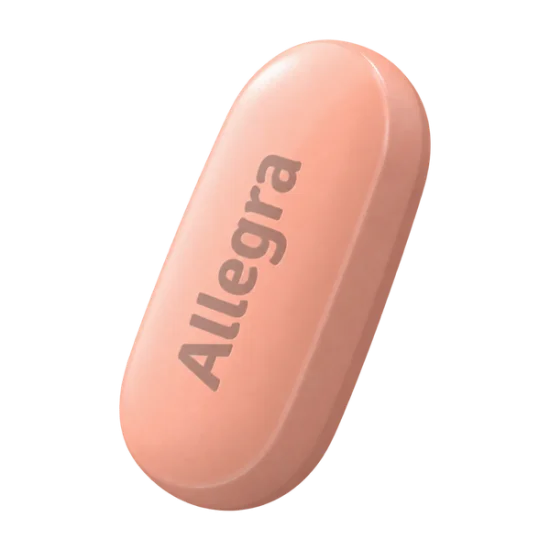
Allegra tablets are taken by mouth with water for relief of allergic rhinitis and hives. They contain fexofenadine hydrochloride, a second-generation antihistamine for adults and eligible children…

Guaranteed quality Original product
Delivery: from 4 days Discreet delivery
24/7 Support Always available
Active ingredient: Fexofenadine
Select dosage:
Select pack Package Per tablet Price
€ 1.23 € 148.00
Free Standard Delivery € 1.13 € 222.00 € 204.00 Save 8%
Free Standard Delivery € 1.06 € 333.00 € 285.00 Save 14%
Best value Free Express Delivery € 1.03 € 444.00 € 370.00 Save 17%
€ 3.02 € 181.00
Free Standard Delivery € 2.27 € 271.50 € 204.00 Save 25%
Free Standard Delivery € 1.89 € 362.00 € 227.00 Save 37%
Free Standard Delivery € 1.49 € 543.00 € 269.00 Save 50%
Free Express Delivery € 1.23 € 814.50 € 331.00 Save 59%
Best value Free Express Delivery € 1.11 € 1,086.00 € 400.00 Save 63%

Free delivery on orders from € 200.00, free express delivery from € 300.00

Secure payment methods:
VISA AMEX JCB DISCOVER

Allegra tablets are taken by mouth with water for relief of allergic rhinitis and hives. They contain fexofenadine hydrochloride, a second-generation antihistamine for adults and eligible children. The medicine blocks histamine-driven symptoms while usually causing little drowsiness.

Overview

Allegra contains fexofenadine hydrochloride, a selective histamine H1-receptor antagonist. By blocking H1 receptors mainly outside the brain, fexofenadine reduces the body’s allergic response without the level of sedation associated with many older antihistamines.

Formulation

Allegra is associated with fexofenadine hydrochloride, the active antihistamine responsible for its clinical action. Trade names can differ between regulatory regions, while the pharmacological identity depends on the active ingredient rather than the brand wording.

Therapeutic indications

Fexofenadine is used for seasonal allergic rhinitis, also called hay fever, and chronic spontaneous urticaria, commonly known as recurrent hives. It can ease nasal irritation, repeated sneezing, itchy or watery eyes, itchy skin, and raised wheals. It does not remove the underlying allergic trigger, so symptoms may return when exposure continues.

Primary Conditions Treated by Allegra

Seasonal allergic rhinitis often produces a combination of:

  • Frequent sneezing
  • Clear nasal discharge
  • Nasal or throat itching
  • Watery, red, or itchy eyes
  • Symptoms linked to pollen exposure

Chronic spontaneous urticaria causes itchy, raised patches that can appear on different areas of the body. Individual wheals may fade while new ones develop. Allegra can reduce itching and the formation of hives, although swelling of the lips, tongue, throat, or face requires urgent medical attention.

Fexofenadine works best when taken consistently during a period of repeated allergy exposure, rather than only after symptoms have become severe.

Directions for use

Adults and adolescents may receive a regular daily schedule for allergic rhinitis or a different schedule for urticaria. Children require age-appropriate pharmaceutical forms and dosing decisions. Adult tablets should not automatically be divided between children because a tablet strength may not suit a child’s needs.

Key administration principles include:

  • Swallow the tablet with water.
  • Take it at a consistent time when regular treatment is required.
  • Avoid taking it with grapefruit, orange, or apple juice.
  • Separate aluminium- or magnesium-containing antacids from fexofenadine.
  • Do not take extra tablets to compensate for a missed dose.
  • Use a child-specific regimen for patients below the approved tablet age.

Fruit juices can reduce fexofenadine absorption by affecting intestinal transport proteins. Aluminium and magnesium antacids may also lower absorption, so a separation of at least two hours is advised.

Water is the simplest drink for Allegra. Fruit juice may taste harmless, yet it can reduce the amount of fexofenadine reaching the bloodstream.

Kidney impairment can alter exposure to fexofenadine. Patients with reduced renal function may require an adjusted schedule. Older adults also benefit from an individual review because kidney function, other medicines, and sensitivity to adverse effects can change with age.

When not to use it

Important precautions include:

  • Kidney impairment may require a lower frequency or different regimen.
  • Aluminium- or magnesium-containing antacids should be separated by at least two hours.
  • Grapefruit, orange, and apple juice may reduce absorption.
  • Alcohol can add to dizziness or impaired alertness in sensitive individuals.
  • A history of reaction to fexofenadine or related ingredients requires avoidance.
  • Pregnancy and breastfeeding require an individual risk–benefit decision.

Its patient information also highlights caution with other medicines and pregnancy-related decisions [2].

When this is not for you

Allegra may not be for you if you have had a previous reaction to fexofenadine, significant kidney impairment requiring individual dosing, or symptoms that need emergency treatment.

Allegra does not treat asthma attacks, bacterial sinus infections, or severe breathing difficulty. Wheezing, throat tightness, faintness, or rapidly progressing facial swelling needs urgent medical care.

Fexofenadine is not a rescue treatment for anaphylaxis. A person with sudden throat swelling, severe breathlessness, collapse, or rapidly spreading symptoms needs emergency treatment rather than another allergy tablet.

Unwanted effects

Fexofenadine is generally tolerated by many patients, though side effects remain possible. Clinical trial and post-marketing information has reported headache, nausea, dizziness, and tiredness. Some people experience mild digestive discomfort or sleep disturbance.

Common or less serious effects may include:

  • Headache
  • Nausea
  • Mild dizziness
  • Tiredness
  • Stomach discomfort
  • Sleep changes

Drowsiness is less common than with older antihistamines, yet individual responses differ. The first dose should be treated cautiously if the person must drive, cycle in heavy traffic, work at height, or operate machinery.

Rare hypersensitivity reactions can include facial swelling, difficulty breathing, widespread rash, or circulatory symptoms. These require urgent medical attention. Palpitations or an unusual fast heartbeat should also receive prompt clinical assessment, especially in people with cardiac disease or multiple medicines.

If dizziness appears after the first tablet, postpone driving until alertness has returned. A non-sedating classification does not guarantee identical responses in every person.

Headache after starting treatment can be mistaken for worsening allergy. Keeping a short record of timing, symptoms, and other medicines can help identify whether the problem follows the dose or reflects the allergic condition itself.

How it affects the body

Histamine contributes to sneezing, itching, watery eyes, a runny nose, skin wheals, and other allergy symptoms. The therapeutic effect comes from H1-receptor blockade. Fexofenadine is transported through the intestine, so certain drinks and antacids can alter absorption even though they do not act on histamine receptors.

Clinical information from the FDA describes fexofenadine as a peripherally selective antihistamine with limited penetration of the central nervous system [1].

Common mistakes

Several everyday mistakes can reduce the benefit of Allegra:

  • Taking the tablet with orange, apple, or grapefruit juice.
  • Using an aluminium- or magnesium-containing antacid at the same time.
  • Repeating a dose after a few hours because symptoms have not disappeared.
  • Assuming a non-sedating antihistamine cannot cause any dizziness.
  • Giving an adult tablet to a child without an age-appropriate assessment.
  • Continuing self-treatment when facial swelling or breathing difficulty develops.
  • Stopping regular treatment after one improved day during ongoing allergen exposure.

One practical error is blaming the medicine for symptoms that come from the condition itself. Dry indoor air, pollen exposure, poor sleep, and nasal inflammation can continue even when the drug is reducing histamine activity.

Another common error is changing between antihistamines too quickly. A clinician may need to consider the reason for poor response before selecting another treatment, especially when the main complaint is congestion rather than itching or sneezing.

Comparison

Several second-generation antihistamines treat allergic rhinitis and hives through peripheral H1-receptor blockade. They differ in metabolism, duration, interaction patterns, and the likelihood of causing drowsiness.

Antihistamine category Practical distinction
Fexofenadine Low central nervous system penetration; limited sedation for most people
Other second-generation options Similar allergy targets, with individual differences in onset, duration, and drowsiness
Older sedating antihistamines Greater central nervous system effects and more impairment of alertness

Fexofenadine may suit a person who needs daytime symptom control and has previously experienced sleepiness with older antihistamines. Another second-generation option may be chosen when a different dosing schedule, formulation, or individual response is preferred.

No antihistamine controls every symptom equally. Nasal congestion can remain troublesome even when sneezing and itching improve. Persistent congestion may need a different treatment strategy selected according to the clinical presentation.

A 2004 review in the New England Journal of Medicine described the development of newer H1-antihistamines with improved peripheral selectivity and reduced sedation compared with first-generation agents [3].

What doctors say

In clinical practice, doctors usually assess the dominant symptoms before choosing an antihistamine. Sneezing, itching, watery eyes, and hives often respond better to H1 blockade than severe nasal blockage alone. The treatment plan may need adjustment when congestion, recurrent sinus symptoms, or breathing complaints continue.

Physicians also look for factors that change exposure to fexofenadine. Kidney disease, antacid use, fruit-juice intake, pregnancy, breastfeeding, and multiple medicines can all affect the choice or timing of treatment.

A useful clinical expectation is symptom control rather than permanent elimination of allergy. Fexofenadine can reduce the histamine response while pollen, dust mites, animal dander, or another trigger remains present.

The WHO’s model formulary principles support medicine selection according to indication, patient factors, and known interaction risks [4].

Common questions

Can children and teenagers use Allegra?

Age eligibility depends on the tablet strength, the indication, and the child’s ability to swallow the formulation. The HPRA medicine information available in 2025 distinguishes paediatric use by age and pharmaceutical presentation, so an adult tablet should not be assigned to a child automatically. Children with breathing difficulty, facial swelling, or rapidly spreading hives need urgent assessment rather than repeated antihistamine doses.

Is Allegra suitable during pregnancy or breastfeeding?

Pregnancy and breastfeeding require an individual assessment of the expected benefit and potential exposure. NHS information reviewed in 2024 advises discussing fexofenadine with a clinician during pregnancy or while nursing, especially when symptoms can be managed through another approach. Do not change a prescribed allergy treatment without a specific plan based on the patient’s health and pregnancy stage.

What should happen after a missed dose?

A missed dose should not normally be replaced by taking two tablets together. The EMA patient-information principles available in 2023 support taking the next dose according to the established schedule unless a clinician has provided different instructions. If several doses are missed or symptoms become severe, the treatment plan may need review rather than unscheduled dose escalation.

How long does an Allegra course last, and is long-term use acceptable?

Treatment length depends on whether symptoms are seasonal, intermittent, or persistent. The WHO model formulary published in 2021 supports duration decisions based on the indication, response, and patient-specific safety factors. Longer use may be appropriate for recurrent allergic disease when monitored appropriately, while persistent symptoms despite treatment should prompt reassessment.

What should a patient do if the expected result does not occur?

First, review practical factors such as fruit-juice intake, antacid timing, missed doses, and whether the main symptom is congestion rather than itching or sneezing. The HPRA information framework current in 2025 supports checking the indication, dosing schedule, interactions, and kidney function when response is inadequate. Breathing difficulty, throat swelling, collapse, or rapidly worsening symptoms require emergency care.

Do you offer anonymous delivery?

Your order will be securely packed and shipped within 24 hours. This is exactly what your package will look like (images of an actual item sent). It has the size and look of a regular private letter (24x11x0.7 cm) and its contents cannot be seen.

Comparison

How the medicines for Allergies compare

Sources

  1. U.S. Food and Drug Administration (2022). Allegra (fexofenadine hydrochloride) tablets, prescribing information.
  2. NHS (2024). About fexofenadine.
  3. New England Journal of Medicine (2004). Advances in H1-antihistamines.
  4. World Health Organization (2021). WHO Model Formulary 2021.

How Buyers Rate Allegra

Based on 4 reviews

Tom, 45 Verified
Rating: 3 out of 5

took one tablet daily during the hay fever season. Sneezing and itchy eyes improved within the first day, and he stayed alert during office hours. He still needed separate advice for blocked nasal breathing.

During the hay fever season 5 Nov 2026
Oliver, 63 Verified
Rating: 3 out of 5

took one tablet daily for one week while taking an indigestion remedy. He noticed little benefit at first, then improved after separating the antacid and Allegra by two hours. He reported mild headache during the first week.

One week 7 Oct 2026
Jonathan, 41 Verified
Rating: 3 out of 5

took one tablet daily for several weeks for recurring hives. The itching became easier to manage, although new wheals still appeared after some triggers. He did not experience sleepiness.

Several weeks 29 Oct 2026
Graham, 55 Verified
Rating: 2 out of 5

took one tablet once before driving and felt slightly dizzy later that day. He avoided further driving until the symptom had cleared and arranged a review of his medicines.

17 Oct 2026
Get our free app Shop faster and track your orders Install