I used the tablets during a bad hay fever week. Sneezing and itchy eyes settled enough for work, and I did not feel sleepy. My nose was still blocked in the mornings, so it did not cover every symptom.
During a bad hay fever week 5 Nov 2026
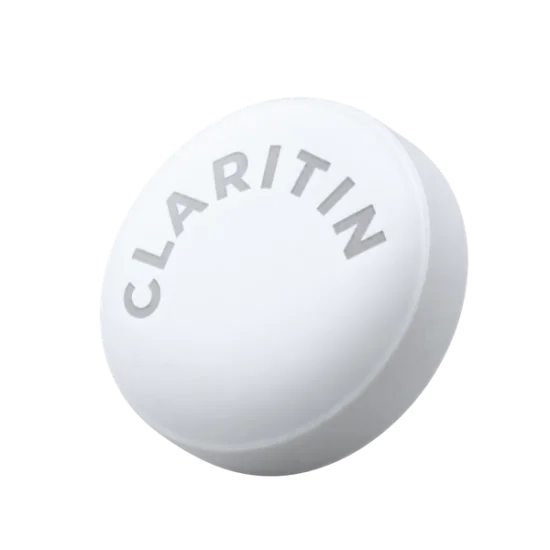
Claritin
Claritin tablets are taken by mouth for allergy symptoms such as sneezing, a runny nose, itchy eyes, and skin itching. The product is intended for people who need daytime symptom control without the…
Claritin tablets are taken by mouth for allergy symptoms such as sneezing, a runny nose, itchy eyes, and skin itching. The product is intended for people who need daytime symptom control without the marked drowsiness associated with some older antihistamines.
Overview
Claritin is an oral antihistamine used for allergic rhinitis and allergy-related itching. The product belongs to the non-sedating antihistamine group and is intended for people who need daytime symptom control without the marked drowsiness associated with some older antihistamines. It helps reduce the effects of histamine, a chemical released during an allergic reaction.
Clinical guidance from the National Institute for Health and Care Excellence supports oral antihistamines as an option for allergic rhinitis when symptoms affect the nose and eyes [1].
Formulation
Claritin is an oral, non-sedating antihistamine product in tablet form. Its composition is intended to reduce the effects of histamine and help relieve allergy-related nasal, eye, and skin-itching symptoms.
Therapeutic indications
Claritin is used for symptoms linked to allergic reactions. Common examples include:
- Seasonal allergic rhinitis, often called hay fever
- Perennial allergic rhinitis caused by indoor allergens
- Sneezing and a watery or itchy nose
- Itchy, watery, or red eyes associated with allergy
- Itching and raised wheals associated with urticaria
- Mild allergy-related skin itching
Hay fever is driven by exposure to airborne allergens such as grass, tree, or weed pollen. Perennial symptoms may continue throughout the year because triggers can include house-dust mites, mould, or animal allergens.
Urticaria produces itchy raised areas of skin that can appear and fade in different places. An antihistamine may reduce itching and the size of wheals, but swelling of the lips, tongue, throat, or face requires urgent medical attention.
Directions for use
Claritin tablets are taken orally. The suitable dose and frequency depend on age, body weight, liver function, kidney function, other medicines, and the reason for treatment.
Practical administration points include:
- Swallow the tablet with water.
- Take it at the same time each day when regular treatment is needed.
- Follow the individual dose selected for the person using it.
- Do not take extra tablets because symptoms remain troublesome.
- If a dose is missed, take the next planned dose rather than doubling up.
- Children should receive only an age- and weight-appropriate formulation.
- People with significant liver or kidney impairment may require a modified regimen.
A missed dose rarely needs compensation with an additional dose. Taking two doses close together can raise the chance of adverse effects without improving allergy control.
Claritin tablets can generally be taken with or without food. A meal is not usually required for administration, and the tablet can be incorporated into a morning or evening routine according to the person’s response.
Taking the tablet with water helps swallowing and avoids confusion with drinks that may contain alcohol or other sedating substances. Food does not treat the allergy itself, so a change in diet should not be used as a substitute for symptom management when exposure continues.
People who notice sleepiness may prefer an evening dose, provided that the dosing schedule selected for them allows this. Anyone who feels alert can usually take the tablet at a convenient regular time.
The product information for oral antihistamines places emphasis on age, organ function, and concomitant medicines when selecting treatment [2].

When not to use it
Claritin is not suitable for you if you have previously experienced a serious allergic reaction to the product or one of its ingredients. It also requires medical review when liver or kidney function is significantly reduced, because medicine handling can change.
Extra caution is needed in the following situations:
- Pregnancy or breastfeeding
- Severe liver disease
- Significant kidney impairment
- A history of serious medicine-related rash
- Epilepsy or a condition that increases seizure risk
- Use of sedatives, sleeping tablets, opioids, or alcohol
- Use of other antihistamines or combination cold remedies
- Treatment with medicines that may alter antihistamine metabolism
Do not use Claritin to manage anaphylaxis. Rapid swelling of the mouth or throat, breathing difficulty, collapse, or widespread symptoms requires emergency treatment.
When this is not for you
A person with liver disease, kidney disease, epilepsy, pregnancy, breastfeeding, or a history of significant medicine reactions needs individual assessment before starting treatment. Children who do not meet the appropriate age or weight requirements should not receive an adult tablet dose.
Unwanted effects
Claritin is generally tolerated by many people when used at an appropriate dose. Possible adverse effects include headache, dry mouth, fatigue, and sleepiness. Some people may experience stomach discomfort or feel less alert than expected.
Stop using the product and seek urgent medical care for:
- Swelling of the face, lips, tongue, or throat
- Difficulty breathing or swallowing
- Widespread blistering or peeling skin
- Fainting, severe weakness, or a rapidly worsening reaction
- A severe or unusual heartbeat disturbance
Alcohol may increase impaired alertness in people who become sleepy with antihistamines. Other medicines that cause drowsiness can have an additive effect. Tell the prescriber or pharmacist about sleep medicines, sedatives, opioid pain medicines, and other allergy products before combining treatments.
How it affects the body
The medicine acts mainly on peripheral H1 histamine receptors. Blocking these receptors reduces the response of tissues in the nose, eyes, and skin. It does not remove pollen, dust, animal dander, or another trigger, so symptoms can return when exposure continues.
Common mistakes
Several practical errors can reduce the benefit of Claritin:
- Taking an additional tablet because the first one did not provide immediate relief
- Combining two oral antihistamines without checking for duplicated treatment
- Assuming that non-sedating means completely free from drowsiness
- Giving an adult tablet to a child without considering weight and age
- Using an oral antihistamine for severe breathing difficulty instead of obtaining urgent care
- Forgetting that alcohol and sedative medicines may worsen reduced alertness
- Treating every blocked nose as an allergy without reviewing the full symptom pattern
- Stopping and restarting treatment repeatedly during a continuing allergen exposure
One easily missed detail is duplicate ingredients. Cold, flu, sleep, and allergy products may contain medicines from the same broad class, so combining them can increase unwanted effects.
Another common mistake is using the medicine for a symptom that needs urgent evaluation. Throat tightness, wheezing, facial swelling, or faintness is not routine hay fever.
Comparison
Claritin belongs to the second-generation antihistamine category. Other medicines in the same broad category may differ in how quickly they act, how long their effect lasts, and how often they cause sleepiness.
| Treatment category | Main clinical feature | Sedation consideration |
|---|---|---|
| Claritin-type oral antihistamine | Daily control of nasal, eye, and itching symptoms | Lower sedation tendency, though individual drowsiness remains possible |
| Other second-generation antihistamines | Similar histamine-receptor control with different pharmacological profiles | Some people report more sleepiness than with Claritin |
| First-generation antihistamines | Histamine control with stronger central nervous system effects | Greater likelihood of drowsiness, impaired alertness, and dry mouth |
Choice depends on the symptom pattern and the person’s response. A patient who needs daytime alertness may prefer a lower-sedation option. Someone who experiences inadequate relief may require a different antihistamine or a treatment aimed at nasal congestion rather than simply changing tablets.
The World Health Organization describes antihistamines as a group with meaningful differences in sedative effects, duration, and suitability for individual patients [3].
What doctors say
In clinical practice, physicians usually assess the pattern of symptoms before choosing an oral antihistamine. Sneezing, itching, and watery eyes often respond better than severe nasal blockage, which may need a different approach.
A doctor will also ask whether symptoms are seasonal or present throughout the year. Repeated symptoms may reflect ongoing exposure to an indoor allergen, asthma associated with allergy, chronic sinus disease, or another condition that needs assessment.
Consistency matters when the trigger is predictable. Taking a tablet only after several hours of severe symptoms may feel less satisfactory than using the medicine at the agreed schedule during a known allergy period.
The HPRA advises that medicine selection should take account of the patient’s age, other treatment, medical history, and the possibility of adverse reactions [4].
Common questions
Can alcohol be used while taking Claritin?
Alcohol may increase sleepiness or reduced alertness in someone who is sensitive to antihistamines. The NHS guidance on antihistamines, reviewed in 2023, advises caution with alcohol when a medicine can cause drowsiness. A person who feels tired, dizzy, or slowed should avoid driving and further alcohol until the effect has passed.
What is the best time of day to take Claritin?
The most suitable time is one that supports the prescribed schedule and does not interfere with alertness. HPRA product information for loratadine, reviewed in 2024, supports checking administration against the person’s response and daily activities. People who remain alert may prefer morning use, while those who become sleepy may find evening administration more practical.
Which symptoms mean that Claritin should be stopped and medical help sought urgently?
Facial or throat swelling, difficulty breathing, fainting, widespread blistering, and rapidly worsening symptoms need urgent medical attention. The EMA allergy-treatment guidance published in 2019 treats airway symptoms and severe systemic reactions as requiring immediate assessment rather than routine self-care. Do not take another dose while waiting for urgent advice if a serious allergic reaction is suspected.
How should Claritin be stored at home and while travelling?
Keep the tablets in a dry place away from excessive heat, moisture, and direct sunlight. WHO medicine-storage guidance from 2020 recommends keeping medicines secure, clearly identifiable, and inaccessible to children during travel. Avoid leaving tablets in a hot car or in a damp bathroom, and carry them in a secure container rather than loose in a bag.
Can Claritin cause drowsiness?
Claritin has a lower sedation tendency than many first-generation antihistamines, but some people can still feel sleepy, tired, or less alert. The FDA product information for loratadine tablets, revised in 2023, recognises drowsiness as a possible individual reaction. Avoid driving or machinery until you know how the tablet affects you.
What should be discussed with a doctor before starting Claritin?
Mention liver or kidney disease, pregnancy, breastfeeding, epilepsy, previous medicine allergies, and all medicines that cause sleepiness. HPRA product information for loratadine, reviewed in 2024, supports checking age, coexisting illness, and concurrent treatment before starting an antihistamine. Tell the clinician if symptoms include wheezing, facial swelling, fever, severe pain, or persistent one-sided nasal blockage.
Do you offer anonymous delivery?
Your order will be securely packed and shipped within 24 hours. This is exactly what your package will look like (images of an actual item sent). It has the size and look of a regular private letter (24x11x0.7 cm) and its contents cannot be seen.
Comparison
Allegra
Atarax
Claritin Current
Sources
- National Institute for Health and Care Excellence (NICE) (2008). Allergic rhinitis: management, Clinical Knowledge Summary and related guidance.
- U.S. Food and Drug Administration (FDA) (2023). Claritin loratadine tablets, prescribing information.
- World Health Organization (WHO) (2020). WHO Expert Committee on Specifications for Pharmaceutical Preparations: good storage and distribution practices.
- Health Products Regulatory Authority (HPRA) (2024). Summary of Product Characteristics (SmPC) — loratadine.
How Buyers Rate Claritin
Based on 4 reviews
I took Claritin for recurring itching during the spring. It helped after regular use, although I noticed a dry mouth at night during the first few days. Drinking more water helped, and I did not need to stop.
During the spring 3 Nov 2026The tablets were convenient because I could take them without planning around meals. Relief was useful for watery eyes, but the effect felt less noticeable when I spent a full day outdoors during high pollen conditions.
7 Oct 2026I used it for several days and felt less bothered by sneezing. I also felt slightly tired after one dose, so I changed the time of day and avoided driving until I knew how it affected me.
Several days 31 Oct 2026