Skip to content
In Stock Phenergan
Allergies

Phenergan

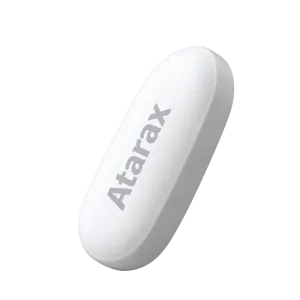
Phenergan is a promethazine hydrochloride tablet for people who need relief from allergies, travel sickness, nausea, vomiting, or short-term sleep problems. Its antihistamine action can reduce…

Guaranteed quality Original product
Delivery: from 4 days Discreet delivery
24/7 Support Always available
Active ingredient: Promethazine
Select pack Package Per tablet Price
€ 1.03 € 93.00
€ 0.98 € 124.00 € 118.00 Save 5%
€ 0.90 € 186.00 € 162.00 Save 13%
Free Standard Delivery € 0.86 € 279.00 € 233.00 Save 16%
Best value Free Express Delivery € 0.84 € 372.00 € 301.00 Save 19%

Free delivery on orders from € 200.00, free express delivery from € 300.00

Secure payment methods:
VISA AMEX JCB DISCOVER

Phenergan is a promethazine hydrochloride tablet for people who need relief from allergies, travel sickness, nausea, vomiting, or short-term sleep problems. Its antihistamine action can reduce symptoms while also causing drowsiness.

Overview

Phenergan is taken by mouth as a tablet, with the amount, timing, and frequency matched to the reason for use and agreed with a doctor or pharmacist. It contains promethazine hydrochloride and is used for allergies, travel sickness, nausea, vomiting, and short-term sleep problems.

Formulation

Phenergan is supplied here as oral tablets containing promethazine hydrochloride. The amount and frequency depend on the reason for use and are agreed with a doctor or pharmacist.

The tablets should be used only for the purpose and dosing schedule agreed with a doctor or pharmacist. Do not increase the amount because the first dose feels slow to work. Extra promethazine increases sedation and anticholinergic adverse effects.

Therapeutic indications

Phenergan has several established uses. The most appropriate schedule depends on the condition being treated.

  • Allergies: Promethazine can reduce histamine-related itching, sneezing, runny nose, watery eyes, and some skin reactions.
  • Travel sickness: Its sedating and antiemetic actions can reduce nausea, dizziness, and vomiting linked with motion.
  • Nausea and vomiting: Promethazine may be used when nausea is associated with motion sickness or other recognised causes.
  • Short-term insomnia: Its sedative effect may help with temporary sleep difficulty when a clinician considers a sedating antihistamine appropriate.

Sedation makes Phenergan unsuitable for every allergy symptom during working hours. A person who needs to remain fully alert may find the daytime impairment more troublesome than the original symptoms.

Management of Short-Term Insomnia and Tolerance Risks

Phenergan is intended for short-term sleep problems rather than ongoing treatment of chronic insomnia. Prolonged or repeated use can reduce the perceived benefit, while the underlying sleep problem remains untreated. Stopping after frequent use may also be followed by a return of poor sleep, sometimes described as rebound insomnia.

Cognitive behavioural therapy for insomnia addresses sleep habits, conditioned wakefulness, and unhelpful sleep beliefs. NICE recommends structured behavioural treatment as a central approach for persistent insomnia rather than relying on sedating antihistamines for extended periods [2].

Do not use a sedating dose to compensate for several nights of poor sleep without reviewing the cause. Pain, reflux, anxiety, breathing problems, alcohol, and other medicines can all disturb sleep.

Directions for use

The amount and frequency of Phenergan depend on the purpose of use and are agreed with a doctor or pharmacist. The tablets are for oral use.

Practical administration points include:

  • Swallow the prescribed tablet with water.
  • Take it at the agreed time for the condition being treated.
  • Avoid alcohol during treatment.
  • Do not drive or operate machinery until you know how promethazine affects you.
  • Do not take an additional tablet because nausea, itching, or sleeplessness has not improved quickly.
  • If a dose is missed, take it when remembered only if there is enough time before the next scheduled dose. If the next dose is near, skip the missed dose and return to the normal schedule.
  • Never double the next dose to compensate for a missed tablet.

A missed dose is usually less hazardous than taking two doses close together. Doubling can produce intense sleepiness, confusion, poor coordination, low blood pressure, or breathing problems.

One practical detail is easy to overlook: promethazine can make it difficult to judge how impaired you are. Feeling awake after a tablet does not prove that reaction speed and coordination are normal.

Keep the dosing schedule written in a phone reminder or medication list, especially when Phenergan is used for travel sickness or a short sleep course.

When not to use it

Phenergan should not be used without specific medical direction in the following situations:

  • Allergy to promethazine or another phenothiazine
  • A child under two years of age
  • Coma or severe central nervous system depression
  • Severe breathing impairment or acute respiratory depression
  • Previous serious reaction to a related phenothiazine
  • Narrow-angle glaucoma unless a specialist has advised its use
  • Urinary retention or significant prostate-related obstruction
  • Severe liver disease without medical supervision
  • Use of a monoamine oxidase inhibitor, unless a prescriber has assessed the combination and timing

Promethazine can worsen breathing depression. Extra caution is needed with sleep apnoea, chronic lung disease, severe asthma, epilepsy, heart rhythm disorders, and a history of fainting.

When this is not for you

Phenergan is not suitable for everyone. The main safety boundaries concern age, breathing, alertness, urinary function, eye pressure, and medicines that increase sedation.

Alcohol should not be combined with Phenergan. Both can depress the central nervous system, producing excessive sleepiness, poor coordination, vomiting while drowsy, and slowed breathing.

Other sedating substances may intensify the same effects. These include opioid pain medicines, benzodiazepines, sleeping tablets, sedating antidepressants, antipsychotics, sedating antihistamines, and some medicines used for anxiety or epilepsy.

Pregnancy and breastfeeding require an individual assessment because promethazine crosses biological barriers and can cause sedation. The BNF records interaction and precaution principles relevant to sedating antihistamines [4].

Tell the prescriber about over-the-counter night-time remedies and travel-sickness tablets. Different products can contain sedating antihistamines even when promethazine is not named prominently.

Unwanted effects

Phenergan’s common reactions arise from its sedating antihistamine and anticholinergic actions. Reported effects include:

  • Drowsiness or next-day sleepiness
  • Dizziness or unsteadiness
  • Dry mouth
  • Blurred vision
  • Headache
  • Constipation
  • Difficulty concentrating
  • Nausea or stomach discomfort
  • Reduced coordination

Drowsiness may be useful when Phenergan is taken for a temporary sleep problem. It can be inconvenient when the medicine is used for allergies, because daytime concentration and reaction speed may fall.

Dry mouth can make speech and swallowing uncomfortable. Sipping water and using sugar-free chewing gum may help, provided these measures are suitable for the person. Blurred vision should be treated as a reason to avoid driving until vision returns to normal.

Older adults may be more vulnerable to confusion, falls, constipation, urinary retention, and prolonged sedation. Children can also develop unusual excitation rather than sleepiness. This paradoxical reaction is a reason to stop and obtain prompt medical advice.

Seek urgent medical help for severe breathing difficulty, collapse, marked confusion, seizures, loss of consciousness, or a fast or irregular heartbeat. Severe allergic swelling of the face, lips, tongue, or throat also requires urgent treatment. Promethazine safety information includes these serious reactions and overdose concerns [3].

If dry mouth occurs, avoid repeated alcohol-based mouthwashes because they can make oral dryness more uncomfortable. Persistent blurred vision or difficulty passing urine needs medical assessment rather than self-treatment.

How it affects the body

Phenergan contains promethazine hydrochloride, a first-generation antihistamine. Promethazine blocks histamine H1 receptors, reducing the effects of histamine released during allergic reactions. This can ease itching, sneezing, runny nose, watery eyes, and some skin symptoms.

Promethazine also crosses the blood–brain barrier. That central action explains its sedative and anti-nausea effects. It can reduce signals from the balance centres of the inner ear, which is why it may help with travel sickness. The same effect can impair alertness during the day. The Irish product information describes these uses, warnings, and dose considerations for promethazine tablets [1].

Role of Promethazine Hydrochloride in Receptor Blockade

Histamine H1 receptors are involved in allergy symptoms and wakefulness. By blocking them, promethazine reduces histamine-driven irritation while making the nervous system less alert. Its anticholinergic activity also contributes to dry mouth, blurred vision, constipation, and difficulty passing urine in susceptible people.

Phenergan is not a selective, non-sedating antihistamine. Drowsiness is a predictable pharmacological effect, not an unusual reaction. Some people feel sluggish the morning after an evening dose, especially when they are sensitive to sedating medicines or combine it with another central nervous system depressant.

Promethazine may also affect coordination. A person can feel calm yet still have slower reaction times. That distinction matters when driving, cycling, using tools, or supervising children.

The first dose is best planned for a period when driving and safety-critical work are not required, because sedation can last into the following morning.


Common mistakes

Several habits make Phenergan less suitable or increase avoidable adverse effects:

  • Taking it with alcohol because the tablet is being used at night
  • Combining it with another night-time cold or allergy product
  • Driving after the first dose because the person feels less sleepy than expected
  • Taking an extra tablet before allowing the planned dose time to work
  • Using it nightly for weeks without reassessing persistent insomnia
  • Giving an adult tablet to a child without a specific paediatric instruction
  • Ignoring new difficulty passing urine, severe constipation, or blurred vision
  • Forgetting to mention opioid pain relief or anxiety medicines
  • Assuming paracetamol removes all medicine-interaction concerns
  • Stopping and restarting frequent doses without discussing the sleep problem

A common practical error is judging the tablet only by how quickly sleep begins. The next morning matters too. Residual sedation can affect balance, driving, work performance, and childcare even when the night itself seemed successful.

Comparison

The best alternative depends on the symptom rather than the brand or tablet appearance. For allergy symptoms, a less-sedating antihistamine may be preferred when daytime alertness is essential. For persistent insomnia, behavioural treatment is usually more suitable than continuing a sedating antihistamine.

Chlorphenamine and diphenhydramine are also first-generation antihistamines. They may cause similar problems, including drowsiness, dry mouth, blurred vision, constipation, and impaired coordination. Switching between sedating antihistamines does not remove the risk of next-day impairment.

For ongoing sleep difficulties, Cognitive Behavioural Therapy for Insomnia can address the drivers of poor sleep without adding anticholinergic burden. Sleep apnoea, restless legs, depression, pain, reflux, and medicine-related insomnia need condition-specific management rather than repeated sedating doses.

The European Sleep Research Society supports behavioural and psychological approaches as a core part of chronic insomnia care [5]. Phenergan may have a role in a short, defined situation, but it should not become an automatic nightly solution.

What doctors say

In clinical practice, doctors usually focus first on the reason for using promethazine. A tablet that helps motion sickness may be appropriate before a journey but unsuitable for someone who must drive soon afterwards. A sedating antihistamine may ease a short episode of sleeplessness, yet persistent insomnia calls for assessment of the underlying cause.

Prescribers also review age, breathing history, glaucoma risk, urinary symptoms, seizure history, pregnancy, breastfeeding, and current medicines. This screening is more important when a person already uses opioids, sleeping tablets, anxiety medicines, or other antihistamines.

A useful clinical expectation is gradual calming rather than a guaranteed sleep response. Some people become very sleepy; others experience dizziness, dry mouth, or paradoxical restlessness before obtaining useful symptom relief.

One detail patients often miss is that tolerance can develop when a sedating antihistamine is used repeatedly. Increasing the dose can raise harm without restoring the original benefit. A planned short course avoids turning an occasional treatment into a routine.

Common questions

How long does a Phenergan course last, and is long-term use acceptable?

Phenergan is generally used for a defined short period when treating temporary insomnia, travel sickness, nausea, or an allergic problem. Long-term nightly use can lead to reduced benefit and ongoing anticholinergic effects, including constipation, dry mouth, blurred vision, and confusion. NICE guidance from 2022 places behavioural treatment at the centre of care for persistent insomnia. The acceptable course length is agreed with a doctor or pharmacist according to the indication. A clinician should review persistent symptoms before treatment continues.

What should I do after a missed dose?

Take the missed dose when remembered only if the next scheduled dose is not close. Skip it when the next dose is due soon, then continue with the agreed schedule. Do not take two tablets together to make up for the missed dose, because promethazine can cause prolonged sedation and impaired coordination. NHS medicines guidance, reviewed in 2025, uses the same general principle for missed doses of sedating medicines.

How does Phenergan differ from chlorphenamine or diphenhydramine?

Phenergan contains promethazine hydrochloride, while chlorphenamine and diphenhydramine contain different antihistamine substances. All three are first-generation antihistamines and may cross the blood–brain barrier, causing drowsiness and anticholinergic effects. Their onset, duration, licensing, and suitable dose schedules differ, so they should not be swapped tablet for tablet. The WHO Model List of Essential Medicines framework published in 2023 supports choosing medicines according to the clinical indication rather than treating sedating antihistamines as interchangeable.

How soon can the effect of Phenergan become noticeable?

Sedation and relief of motion-related nausea may begin after oral administration, but the timing varies with the indication, food, age, sensitivity, and other medicines. Allergy symptoms may improve at a different rate from sleepiness, and the medicine does not guarantee immediate relief. The European Sleep Research Society guideline from 2023 describes central H1 blockade as the basis for sedative effects. Avoid repeating a dose simply because the first effect is not yet obvious.

Do you offer anonymous delivery?

Your order will be securely packed and shipped within 24 hours. This is exactly what your package will look like (images of an actual item sent). It has the size and look of a regular private letter (24x11x0.7 cm) and its contents cannot be seen.

Comparison

How the medicines for Allergies compare

Sources

  1. Health Products Regulatory Authority (HPRA) (2024). Summary of Product Characteristics — Phenergan 25 mg Tablets
  2. NICE (2022). Clinical Knowledge Summary: Insomnia
  3. Health Products Regulatory Authority (HPRA) (2024). Patient Information Leaflet — Phenergan 25 mg Tablets
  4. British National Formulary (BNF) (2025). Promethazine: interactions, cautions and adverse effects
  5. European Sleep Research Society (2023). European guideline for the diagnosis and treatment of insomnia

How Buyers Rate Phenergan

Based on 5 reviews

Andrew, 56 Verified
Rating: 3.5 out of 5

I used Phenergan for travel sickness on a long coach journey. The nausea settled, but I became very sleepy and would not have felt comfortable driving afterwards. Water helped with the dry mouth.

On a long coach journey 13 Oct 2026
Stephen A., 49 Verified
Rating: 3.5 out of 5

A short course helped me get through several difficult nights. The first tablet left me groggy the next morning, so I changed the timing with advice from my pharmacist and avoided taking it before an early start.

A short course 23 Oct 2026
Mark, 63 Verified
Rating: 3.5 out of 5

I took one 25 mg tablet for itching and found the itch much easier to tolerate. The downside was blurred vision for a while, so I stopped reading and waited until it cleared.

28 Oct 2026
Colin A., 67 Verified
Rating: 4 out of 5

Phenergan helped during a ferry trip, but I felt unsteady when walking downstairs. I would not combine it with my usual evening medicines without checking the interaction list first.

During a ferry trip 2 Nov 2026
Kevin P., 58 Verified
Rating: 4 out of 5

It made me sleepy during a period of poor sleep, although the benefit faded when I tried to use it night after night. A proper review of the insomnia seemed more useful than simply continuing the tablets.

Night after night 8 Nov 2026
Get our free app Shop faster and track your orders 3.8 · 322 reviews Install