Skip to content
In Stock Lipitor
Cholesterol Management

Lipitor

Lipitor tablets are taken by mouth once daily, with or without food, for cholesterol disorders and cardiovascular risk management. They contain atorvastatin, which lowers LDL cholesterol and…

Guaranteed quality Original product
Delivery: from 4 days Discreet delivery
24/7 Support Always available
Active ingredient: Atorvastatin
Select dosage:
Select pack Package Per tablet Price
€ 0.93 € 112.00
€ 0.78 € 168.00 € 141.00 Save 16%
€ 0.73 € 224.00 € 176.00 Save 21%
Best value Free Standard Delivery € 0.66 € 336.00 € 239.00 Save 29%
€ 0.82 € 148.00
€ 0.74 € 222.00 € 199.00 Save 10%
Best value Free Standard Delivery € 0.72 € 296.00 € 258.00 Save 13%
€ 3.10 € 93.00
€ 2.57 € 186.00 € 154.00 Save 17%
Free Standard Delivery € 2.41 € 279.00 € 217.00 Save 22%
Free Standard Delivery € 2.32 € 372.00 € 278.00 Save 25%
Free Express Delivery € 2.23 € 558.00 € 401.00 Save 28%
Free Express Delivery € 2.18 € 837.00 € 589.00 Save 30%
Best value Free Express Delivery € 2.16 € 1,116.00 € 776.00 Save 30%
Best value € 0.61 € 147.00

Free delivery on orders from € 200.00, free express delivery from € 300.00

Secure payment methods:
VISA AMEX JCB DISCOVER

Lipitor tablets are taken by mouth once daily, with or without food, for cholesterol disorders and cardiovascular risk management. They contain atorvastatin, which lowers LDL cholesterol and triglycerides by reducing cholesterol production in the liver.

Overview

Lipitor is the brand name for atorvastatin, a statin prescribed for adults with abnormal blood lipid levels. Atorvastatin belongs to the statin class.

Formulation

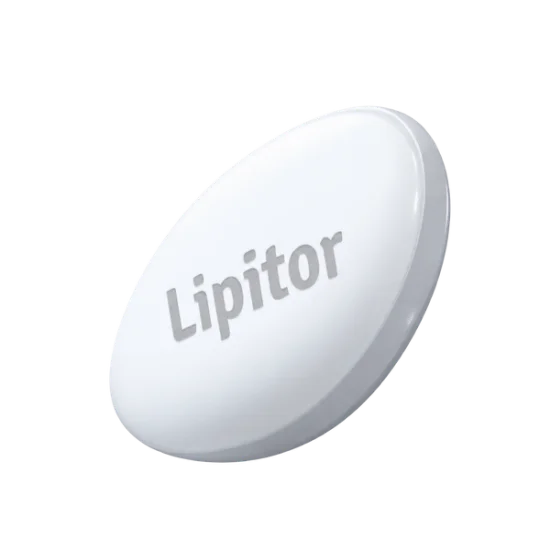
Lipitor contains atorvastatin as its active cholesterol-lowering substance. The medicine is supplied as tablets, and the active ingredient is present as atorvastatin calcium, also described as atorvastatin calcium trihydrate. The calcium salt is the pharmaceutical form used to deliver atorvastatin; it is not a separate type of statin.

Product description Active substance and form Prescription status
Lipitor Atorvastatin calcium tablets Prescription-only medicine
Generic atorvastatin Atorvastatin calcium tablets Prescription-only medicine
Atorvastatin calcium trihydrate Salt form used to provide atorvastatin Used in authorised tablet formulations

Authorised generic atorvastatin tablets contain the same active substance and are prescribed at equivalent strengths, although inactive ingredients and tablet appearance can differ. A matching strength does not mean that a person should change products without confirming the change with a prescriber or pharmacist.

The prescribed strength and directions matter more than the brand name. Keep a record of any previous muscle symptoms or treatment changes, especially when more than one cholesterol-lowering medicine has been used.

Therapeutic indications

Lipitor is the brand name for atorvastatin, a statin prescribed for adults with abnormal blood lipid levels. It is used alongside dietary changes, physical activity and management of other cardiovascular risk factors. The treatment goal depends on the person’s LDL target, medical history and combined risk rather than on a single standard dose. Irish and European prescribing decisions should follow current product information and the assessment of a licensed healthcare professional [1].

  • High cholesterol: reduces raised LDL cholesterol, the main cholesterol-containing particle targeted by many lipid-lowering treatment plans.
  • Mixed dyslipidaemia: helps manage a combination of raised LDL cholesterol and triglycerides.
  • Hypertriglyceridaemia: may be prescribed when triglyceride levels are elevated, usually as part of a wider lipid-management plan.
  • Primary dysbetalipoproteinaemia: may be used for this inherited or metabolic lipid disorder when clinically appropriate.
  • Cardiovascular risk reduction: lowering LDL cholesterol can reduce the risk of cardiovascular events in suitable patients, although the degree of benefit varies with baseline risk and treatment adherence.

Lipitor 40mg may be used when a substantial LDL reduction is needed, but that strength is not suitable for every patient. Age, kidney or liver history, other medicines and previous statin intolerance all influence selection.

Cardiovascular Risk Reduction

Cholesterol-lowering medicines form one part of cardiovascular prevention. Atorvastatin may reduce the likelihood of heart attack or stroke in patients whose cardiovascular risk warrants treatment, but it does not remove every risk factor. Blood pressure, diabetes, smoking, weight, diet and physical activity remain relevant.

A lower cholesterol result is only one measure of progress. Doctors also consider whether the prescribed treatment is being taken consistently and whether the person has developed muscle or liver-related symptoms.

Directions for use

Lipitor is a prescription-only medicine. The regimen for the chosen strength must be confirmed with a healthcare professional before starting. Atorvastatin is usually taken once daily, and it may be taken with or without food.

The prescriber selects the dose according to:

  • the starting LDL cholesterol and treatment target;
  • cardiovascular history and estimated future risk;
  • age and general health;
  • liver history and alcohol intake;
  • other medicines and supplements;
  • the response shown by follow-up lipid testing.

The selected strength can be part of a higher-intensity treatment plan, but it should not be treated as a default adult dose. A doctor may begin with a lower strength and adjust it after reviewing the lipid response and tolerability. Product information and clinical guidance support individual dose selection rather than self-adjustment [3].

If a dose is missed, take it when remembered unless the next dose is due soon. When the next scheduled dose is near, skip the missed dose and resume the normal schedule. Do not take two doses together to compensate.

Do not split, crush or chew a tablet unless the prescriber or pharmacist has confirmed that the specific product may be handled that way. Tablet designs differ, and changing a tablet without advice can affect accurate dosing or make administration difficult.

When not to use it

Active liver disease is a contraindication in European product information. A confirmed allergy to atorvastatin or one of its ingredients is a contraindication. Atorvastatin should not be used during pregnancy unless a specialist has provided a specific, documented reason under exceptional circumstances.

Irish regulatory information and European product guidance describe liver assessment as a clinical decision rather than an identical testing schedule for every person [4].

When this is not for you

This medicine is not for you if you have active liver disease, a confirmed allergy to atorvastatin or one of its ingredients, or a pregnancy in which treatment has not been specifically reviewed.

Previous unexplained liver-test abnormalities, heavy alcohol intake or a history of hepatitis should be discussed before treatment. Tell the prescriber about thyroid disease, kidney problems, severe infection, recent surgery and intense physical training, since these factors can influence muscle symptoms or lipid results.

Unwanted effects

Atorvastatin is tolerated by many patients, but adverse effects can occur. The current patient information leaflet provides the formal frequency categories; symptoms should be judged in context rather than dismissed because they are listed as possible effects.

Common or usually mild effects can include:

  • muscle aches or muscle tenderness;
  • headache;
  • nausea, indigestion, diarrhoea or constipation;
  • tiredness;
  • changes in liver blood-test results.

Mild digestive symptoms may settle as the body adapts. Persistent symptoms should be raised during a medication review, especially if they interfere with eating, sleeping or normal activity.

Unexplained muscle pain, weakness or tenderness after starting Lipitor or increasing the dose deserves attention. Do not silently stop treatment for weeks without explaining the problem, because the prescriber may need to check creatine kinase, review interacting medicines or select another statin.

Muscle symptoms are easier to assess when you can describe their timing, location and severity. Record whether they began after a dose change, a new medicine or strenuous exercise.

Seek prompt medical assessment for severe or rapidly worsening muscle pain, marked weakness, fever or dark urine. These symptoms can indicate a serious muscle reaction, although symptoms alone cannot diagnose rhabdomyolysis.

Contact a healthcare professional urgently for yellowing of the skin or eyes, unusually dark urine, pale stools, severe upper-abdominal discomfort or profound unexplained fatigue. These symptoms require assessment for possible liver or biliary problems rather than home observation.

How it affects the body

Atorvastatin belongs to the statin class. It inhibits HMG-CoA reductase, an enzyme the liver uses during cholesterol production. This lowers the amount of cholesterol made by liver cells and encourages the liver to increase the number of LDL receptors on its surface.

The sequence is:

HMG-CoA reductase inhibition → more hepatic LDL receptors → greater LDL clearance from the bloodstream → lower LDL cholesterol.

LDL means low-density lipoprotein. It is a lipid carrier that transports cholesterol through the blood. Calling LDL “bad cholesterol” is a convenient shorthand, but the clinical concern is the amount of LDL-containing particles circulating over time and how that exposure contributes to atherosclerosis.

The liver also processes other lipids, so atorvastatin can improve parts of the wider lipid profile, including triglycerides. The response differs between patients. A blood test may show a change before the longer-term reduction in cardiovascular risk can be assessed. The pharmacological basis of this treatment is described in regulatory atorvastatin information from the FDA and European medicines authorities [2]. Follow-up testing helps determine whether the planned response has been achieved.

Common mistakes

Several preventable errors reduce the value of statin therapy:

  • stopping Lipitor after one normal cholesterol result;
  • doubling the next dose after a missed tablet;
  • restarting a previously stopped statin without discussing why it was stopped;
  • failing to mention a short course of clarithromycin or another antibiotic;
  • treating fish oil as a substitute for prescribed LDL-lowering treatment;
  • assuming that muscle pain is always caused by exercise;
  • changing from atorvastatin to rosuvastatin without a dose-equivalence review;
  • forgetting to mention non-prescription supplements.
Keep a current list of prescription medicines, painkillers, antibiotics and supplements. Bring it to medication reviews, especially when treatment for an infection has been added.

One easily missed detail is that intense exercise can also cause muscle soreness. The timing, severity and pattern help the clinician decide whether testing or a treatment change is needed.

Comparison

Atorvastatin, rosuvastatin, simvastatin and pravastatin sodium all reduce cholesterol through HMG-CoA reductase inhibition, but their potency, metabolism and interaction profiles differ.

Statin option Practical prescribing distinction Interaction considerations
Atorvastatin Moderate- to high-intensity treatment depending on strength Metabolised partly through CYP3A4; several medicines can raise exposure
Rosuvastatin Often provides substantial LDL reduction at comparatively low doses Fewer CYP3A4 interactions, though other precautions still apply
Simvastatin Lower- or moderate-intensity use at selected doses Important interaction and dose restrictions, including with strong inhibitors
Pravastatin sodium Often chosen when a simpler interaction profile is useful May provide less LDL reduction at usual doses than high-intensity options

Crestor contains rosuvastatin, while Zocor contains simvastatin and Pravachol contains pravastatin. Brand names do not determine which statin is best. A clinician may change the active substance or strength when LDL reduction is insufficient, muscle symptoms develop or another medicine creates an interaction concern.

Rosuvastatin and atorvastatin are both used for substantial LDL lowering, yet they are not interchangeable milligram for milligram. Simvastatin has more prominent interaction restrictions at higher exposure. Pravastatin may be considered when interaction management or tolerability is the main priority, though its LDL-lowering effect may be less pronounced for some treatment goals.

Self-switching between statins can produce an unsuitable dose or leave an interaction unresolved.

What doctors say

Clinicians generally frame Lipitor as long-term risk management rather than a short course for a single cholesterol reading. They assess the expected LDL reduction, the person’s cardiovascular risk and the likelihood that the regimen can be taken consistently.

A practical clinical review often asks three questions: Is the medicine being taken as prescribed? Has another medicine changed the interaction risk? Has a new condition, such as thyroid disease, affected the lipid result?

The main benefit is LDL reduction and the potential reduction in cardiovascular events for appropriate patients. The main limitations are muscle symptoms, interaction restrictions, pregnancy-related contraindication and the need for ongoing treatment when risk remains high.

Common questions

What condition rules out Lipitor?

Active liver disease is a clear contraindication to atorvastatin treatment. A confirmed allergy to atorvastatin or a tablet ingredient also rules it out. The European Medicines Agency product information used in 2025 continues to distinguish active liver disease from a previous abnormal liver test that may require assessment rather than automatic exclusion.

Can Lipitor be used during pregnancy or breastfeeding?

Atorvastatin is generally avoided during pregnancy, and treatment should be reviewed promptly if pregnancy occurs. Breastfeeding also requires a specific decision because the need for lipid treatment must be balanced against possible infant exposure. HPRA medicine information available in 2025 supports discussing pregnancy, planned pregnancy and breastfeeding before treatment begins.

Can the Lipitor tablet be split, crushed or chewed?

Do not split, crush or chew the tablet unless a pharmacist or prescriber has confirmed that the specific tablet can be handled in that way. Tablet characteristics differ between formulations, and altering one can make the dose harder to take accurately. The FDA prescribing information for Lipitor reviewed in 2023 describes oral tablet administration but does not make unsupervised manipulation a general instruction.

How does Lipitor differ from rosuvastatin?

Lipitor contains atorvastatin, while Crestor contains rosuvastatin. Both inhibit HMG-CoA reductase and can provide substantial LDL reduction, but they differ in metabolism, interaction patterns and dose selection. NICE lipid guidance updated in 2023 supports choosing statin treatment according to cardiovascular risk, treatment goals, tolerability and medicines taken by the individual.

Can Lipitor be taken with gemfibrozil or other lipid medicines?

Gemfibrozil can increase the risk of serious muscle toxicity when combined with atorvastatin, so the combination requires a specific prescribing decision. Fenofibrate and other lipid medicines also need review rather than automatic addition. The WHO Model List of Essential Medicines, updated in 2023, treats lipid-lowering therapy as part of a broader medicines plan, not as a reason to combine products without reconciliation.

What should be done after a missed Lipitor dose?

Take the missed tablet when remembered unless the next scheduled dose is close. If the next dose is due soon, skip the missed dose and return to the normal timetable. Do not double the dose, and mention repeated missed doses during the next medication review because adherence support may be more useful than a dose increase. NHS guidance from 2024 also advises against doubling a missed statin dose.

What should be discussed with a doctor before starting Lipitor?

Discuss pregnancy or breastfeeding, active or previous liver disease, heavy alcohol intake, thyroid or kidney problems, previous statin-related muscle symptoms and every prescription or non-prescription product being used. Clarithromycin, gemfibrozil, fenofibrate and lopinavir/ritonavir are examples that require specific review. The EMA’s European public information for atorvastatin, available in 2025, supports checking interactions and relevant medical history before treatment begins.

Do you offer anonymous delivery?

Your order will be securely packed and shipped within 24 hours. This is exactly what your package will look like (images of an actual item sent). It has the size and look of a regular private letter (24x11x0.7 cm) and its contents cannot be seen.

Comparison

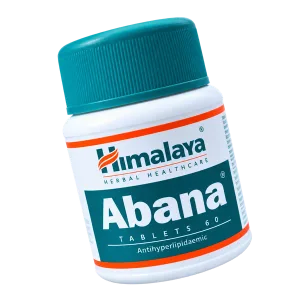
Abana

Active ingredient: Abana
60pills
From € 89.00
bottles
3.8 (4)

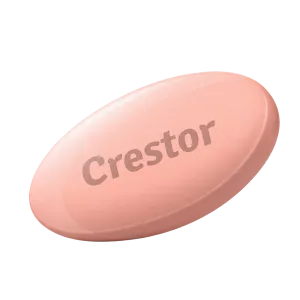
Crestor

Active ingredient: Rosuvastatin
10mg 20mg 5mg
From € 100.00
tablets
4.4 (5)

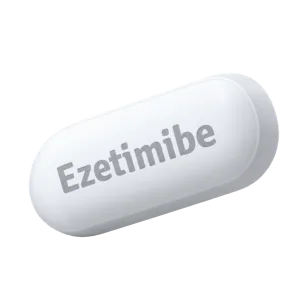
Ezetimibe

Active ingredient: Ezetimibe
10mg
From € 102.00
tablets
4 (5)

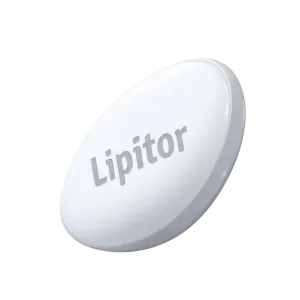
Lipitor Current

Active ingredient: Atorvastatin
10mg 20mg 40mg 5mg
From € 93.00
tablets
4.5 (5)

Lopid

Active ingredient: Gemfibrozil
300mg
From € 125.00
tablets
4 (4)

Rosuvastatin

Active ingredient: Rosuvastatin
10mg
From € 99.00
tablets
4.4 (4)

How the medicines for Cholesterol Management compare

Sources

  1. HPRA (2024). Summary of Product Characteristics (SmPC) — Lipitor (atorvastatin)
  2. U.S. Food and Drug Administration (2023). Lipitor (atorvastatin calcium) tablets, prescribing information
  3. National Institute for Health and Care Excellence (2023). Cardiovascular disease: risk assessment and reduction, including lipid modification (NG181)
  4. European Medicines Agency (2024). Summary of Product Characteristics (SmPC) — atorvastatin

How Buyers Rate Lipitor

Based on 5 reviews

Kevin, 32 Verified
Rating: 5 out of 5

I started atorvastatin after repeated cholesterol tests stayed high. After several weeks, my follow-up result had improved, and taking the tablet with my evening routine made it easy to remember. I had mild stomach upset at first, which settled.

Several weeks 29 Oct 2026
David F., 39 Verified
Rating: 4 out of 5

Lipitor fitted my routine because I could take it with or without food. I developed aching in my thighs after a dose increase and stopped guessing about the cause. The prescriber reviewed my medicines and arranged a different plan.

Several weeks 6 Nov 2026
Harry, 32 Verified
Rating: 5 out of 5

I missed a dose during a weekend away and nearly took two tablets the next morning. The pharmacist told me to return to the usual schedule instead. Since then, I have kept my tablets beside something I use every evening.

Several months 12 Nov 2026
Jack, 41 Verified
Rating: 5 out of 5

My cholesterol fell after starting treatment, but the first result did not mean I could stop. I initially underestimated the importance of diet and exercise. The combination produced a better plan than relying on the tablet alone.

Several months 17 Nov 2026
Darren D., 60 Verified
Rating: 3.5 out of 5

I had been taking a new antibiotic when muscle soreness appeared. The timing made it worth reporting rather than ignoring. My medicines were reviewed, and the treatment was adjusted while the symptoms were assessed.

Several weeks 24 Nov 2026
Get our free app Shop faster and track your orders 3.9 · 510 reviews Install