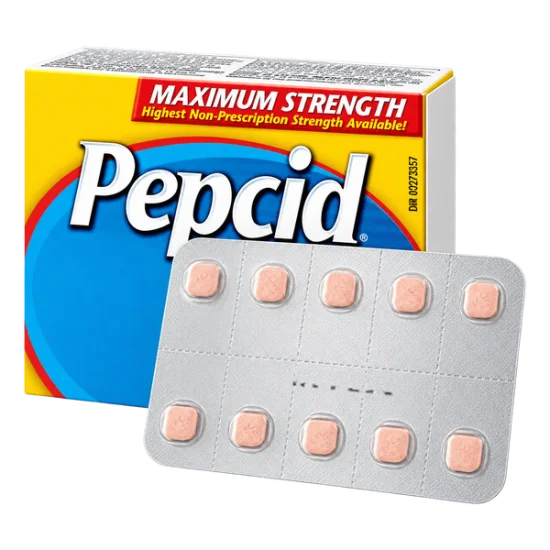
I used Pepcid tablets after evening meals when heartburn appeared. Relief started in about half an hour, and I did not need another dose that night. I still arranged a review after the symptoms began happening several times a week.
29 Oct 2026
Pepcid
Pepcid tablets contain famotidine, an H2 blocker that reduces stomach acid. They are used by adults for occasional heartburn and acid indigestion, with relief commonly beginning within 15–30 minutes…
Pepcid tablets contain famotidine, an H2 blocker that reduces stomach acid. They are used by adults for occasional heartburn and acid indigestion, with relief commonly beginning within 15–30 minutes. The treatment may control acid for up to 12 hours, depending on the product and individual response.
Overview
Pepcid is an acid reducer containing famotidine. Famotidine belongs to the histamine-2 receptor antagonist class, also called H2 blockers. It reduces the amount of acid released by the stomach, helping relieve heartburn and acid indigestion.
Formulation
Famotidine is the active ingredient responsible for Pepcid’s acid-reducing action. A product strength refers to the amount of famotidine provided in one dose, but the strength and dosing schedule can differ between product versions.
The term “maximum strength” does not mean that it is the right choice for every person. The regimen for the chosen strength should be confirmed with a healthcare professional before starting.
Famotidine Strength Meaning
A higher amount of famotidine is not automatically faster or more suitable. The correct choice depends on the product formulation, age, symptoms, kidney function, other medicines, and the intended duration of use.
Do not combine two Pepcid products simply because symptoms have not improved quickly. A delayed response does not prove that a second dose is needed.
Strength Selection Principles
The most common selection error is treating commercial wording as a personalised dosing instruction. Another is taking a separate medicine containing famotidine at the same time, creating an unintended duplicate dose.
Therapeutic indications
Pepcid provides Heartburn Relief by lowering stomach acid. Some products containing 20 mg Famotidine are marketed for Heartburn Prevention & Relief, but that description belongs to the relevant product presentation rather than every Pepcid tablet.
Preventive Use Before Triggers
Preventive use may apply when heartburn follows a predictable trigger, such as a late meal. The timing should come from the specific product directions and the person’s confirmed regimen.
Routine preventive treatment is different from occasional use. Needing acid control before many meals, using treatment most days, or waking regularly with reflux calls for clinical review.
Relief After Symptoms Begin
Pepcid can be taken for relief after heartburn or acid indigestion starts when the product directions support that use. An antacid-containing chewable may act differently from famotidine alone because it combines acid neutralisation with reduced acid release.
Directions for use
Pepcid commonly starts relieving heartburn within 15–30 minutes. Acid control may last up to 12 hours, although the response depends on the formulation, the meal or trigger involved, and individual physiology.
Timing for Prevention
Some Pepcid products are labelled for Heartburn Prevention & Relief, while others may be intended for relief after symptoms begin. Preventive timing applies only when it is included in the specific product directions.
A person with occasional trigger-related heartburn may be advised to use a suitable product before a known trigger, but a universal schedule cannot be applied to every Pepcid presentation. The exact regimen for the chosen strength should be confirmed with a healthcare professional before starting.
Pepcid can be taken for relief after heartburn or acid indigestion starts when the product directions support that use. An antacid-containing chewable may act differently from famotidine alone because it combines acid neutralisation with reduced acid release.
When not to use it
Do not add an antacid, another H2 blocker, or a PPI automatically. Combining acid-reducing medicines without a clear reason can complicate dosing and conceal persistent symptoms.
Pepcid is not suitable for self-treatment when these warning signs are present:
- Vomiting blood or material resembling coffee grounds
- Black, tarry stools
- Trouble swallowing or painful swallowing
- Facial, lip, tongue, or throat swelling
- Severe chest pressure or breathlessness
- Unexplained weight loss
- Persistent vomiting
- Severe or rapidly worsening abdominal pain
When this is not for you
Pepcid is not for you if warning signs, kidney disease, or frequent symptoms require medical review. Repeatedly masking symptoms can delay assessment of bleeding, significant reflux disease, or another upper gastrointestinal condition.
Unwanted effects
Pepcid and famotidine are commonly tolerated, but unwanted effects can occur. Headache, dizziness, constipation, and diarrhoea are recognised possible side effects.
Common Famotidine Side Effects
Dizziness matters when driving, cycling, climbing, or operating machinery. A person who feels light-headed should wait until the effect has passed before carrying out tasks requiring full concentration.
Digestive changes may be mild and temporary. Persistent diarrhoea, severe abdominal pain, rash, confusion, or marked weakness deserves medical advice rather than continued self-treatment.
Kidney Function and Interaction Checks
Famotidine is cleared partly through the kidneys. People with kidney disease, older adults, and those taking several medicines may need an individual review before using Famotidine 20 mg or another strength.
A medication review should include prescription medicines, non-prescription products, antacids, supplements, and sedating ingredients. The FDA evaluates medicine safety data, but individual suitability still depends on the person’s medical history and concurrent treatment [3].
Urgent Symptoms and Self-Care Limits
Stop self-treating ordinary heartburn and seek urgent medical assessment for:
- Vomiting blood or material resembling coffee grounds
- Black, tarry stools
- Trouble swallowing or painful swallowing
- Facial, lip, tongue, or throat swelling
- Severe chest pressure or breathlessness
- Unexplained weight loss
- Persistent vomiting
- Severe or rapidly worsening abdominal pain
How it affects the body
Famotidine blocks H2 receptors on acid-producing cells in the stomach. A simple way to understand this action is to picture the receptors as signals that tell the stomach to release acid; famotidine turns down that signal.
This differs from antacids, which neutralise acid already present in the stomach. It also differs from proton pump inhibitors, or PPIs, which block a later stage of acid production and are commonly used for selected recurring reflux conditions. Famotidine is used for acid control and symptom relief, not as a guarantee that an irritated oesophagus has healed.
The FDA recognises famotidine as an acid-reducing medicine, while the HPRA provides Irish regulatory information for authorised medicines and patient safety [1].
Common mistakes
The most frequent practical errors are product duplication and premature redosing. A person may take Pepcid, then add another famotidine product without realising that both contain the same acid-reducing ingredient.
Another mistake is using a chewable formulation like a standard tablet. The dosage form can change how the product should be taken.
People also underestimate recurrent symptoms. If heartburn repeatedly returns, increasing self-treatment may hide the pattern instead of addressing it.
Comparison
Famotidine is an H2 blocker. Antacids neutralise acid already present, while PPIs suppress acid production more strongly and are used for suitable recurring conditions under product or clinical guidance.
| Class | Main action and usual role |
|---|---|
| Antacids | Neutralise existing stomach acid; often used for rapid, occasional symptom relief |
| Famotidine H2 blockers | Reduce acid release; useful for occasional heartburn and selected prevention or relief patterns |
| PPIs | Suppress acid production more strongly; used for appropriate recurring reflux conditions |
Famotidine and Antacid Differences
Antacids can act quickly because they work directly on acid already in the stomach. Their action may be shorter, and they can interfere with absorption of some medicines when taken too closely together.
Famotidine reduces acid secretion rather than simply neutralising existing acid. It may offer a longer acid-control period, yet it is not universally better than an antacid. The best option depends on symptom frequency, severity, other medicines, and the reason for treatment.
H2 Blockers and PPI Options
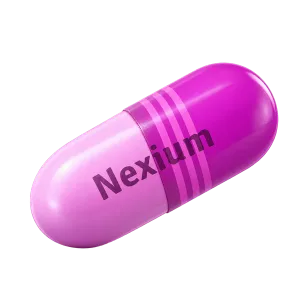
PPIs include omeprazole products such as Prilosec OTC® and esomeprazole products such as Nexium® 24HR. Their mechanism differs from famotidine, and their use pattern is not interchangeable with a single Pepcid dose.
NICE guidance supports medical review when reflux symptoms are persistent, severe, or resistant to appropriate treatment [2]. Escalating from an H2 blocker to a PPI without assessing frequent symptoms can delay recognition of another cause.
What doctors say
In clinical practice, doctors usually separate occasional trigger-related heartburn from symptoms suggesting GERD. Famotidine can be useful for short-term acid control, yet repeated reliance on any non-prescription acid reducer deserves review.
A clinician will usually ask about symptom frequency, swallowing, bleeding, weight change, night-time symptoms, pregnancy, kidney function, and other medicines. These details often matter more than the strength wording on the front of a product.
Patients sometimes expect immediate relief because the medicine is used for heartburn. Famotidine reduces further acid release, so its timing differs from a fast-acting antacid.
Common questions
Can Pepcid affect driving, concentration, or work with machinery?
Pepcid may cause dizziness or headache in some people, so driving and machinery work should wait if alertness is affected. The HPRA's 2024 Irish safety information includes warnings about medicine-related impairment, while famotidine references describe dizziness as a possible adverse effect. Melatonin- or lemon-balm-containing products may cause additional drowsiness. Review your response before carrying out safety-sensitive tasks. The 2024 HPRA information also supports checking alertness before driving.
Can Pepcid be combined with antacids or supplements?
Combination depends on the exact product and the other ingredient. Pepcid may already be paired with Antacids in PEPCID COMPLETE®, while separate antacids or supplements can introduce duplicate treatment or absorption problems. The NHS's 2024 guidance advises checking medicine combinations with a pharmacist, especially when several products are used. Confirm the full regimen before combining famotidine with another acid reducer or sedating supplement.
What should be discussed with a doctor before starting Pepcid?
Discuss kidney disease, pregnancy, breastfeeding, older age, swallowing problems, gastrointestinal bleeding, unexplained weight loss, and regular medicines before starting. NICE's 2023 guidance links frequent reflux symptoms with the need for assessment rather than indefinite self-care. Mention all acid reducers, antacids, supplements, and medicines that cause drowsiness. The regimen for the chosen Pepcid strength should be confirmed before treatment begins.
How long does one Pepcid dose keep working?
Relief commonly begins within 15–30 minutes, and acid control may last up to 12 hours depending on the formulation and individual response. Famotidine is an H2 blocker, so its effect is different from the faster neutralisation provided by some Antacids. FDA's 2022 product information describes famotidine’s acid-reducing action and duration in relation to the relevant formulation. Persistent symptoms after the expected interval should not lead to automatic redosing.
Can Pepcid cause dizziness?
Yes, dizziness is a possible side effect of famotidine and can affect driving or concentration. The NHS (2024) and HPRA recognise dizziness as a medicine-related safety concern that warrants caution when it occurs. Dizziness with fainting, facial swelling, breathing difficulty, severe weakness, or chest pressure needs urgent medical assessment. Mild symptoms that persist should be discussed with a pharmacist or doctor.
Do you offer anonymous delivery?
Your order will be securely packed and shipped within 24 hours. This is exactly what your package will look like (images of an actual item sent). It has the size and look of a regular private letter (24x11x0.7 cm) and its contents cannot be seen.
Comparison
Pepcid
Pepcid contains famotidine, an H2 blocker that reduces the amount of acid released by the stomach. It is used by adults for occasional heartburn and acid indigestion. Product strength, preventive timing, maximum use, and treatment duration should be confirmed for the selected presentation before use.
Sources
- U.S. Food and Drug Administration (2022). Pepcid AC (famotidine) drug label and consumer medicine information.
- National Institute for Health and Care Excellence (2023). Gastro-oesophageal reflux disease and dyspepsia in adults: investigation and management.
- U.S. Food and Drug Administration (2022). Famotidine prescribing information.
How Buyers Rate Pepcid
Based on 4 reviews
The first dose helped with the burning but did not remove the sour taste immediately. I nearly took another tablet too soon, then waited. The symptoms settled later, although I found the delayed onset frustrating.
7 Nov 2026Pepcid worked well for occasional reflux after a late takeaway meal. I noticed mild dizziness once, so I avoided driving until I felt normal. That side effect did not recur, but it made me more careful about timing.
13 Nov 2026I had been using acid reducers repeatedly for night-time symptoms. Pepcid gave temporary relief, but the problem kept returning. A medical review was more useful than continuing to increase self-treatment.
26 Nov 2026